
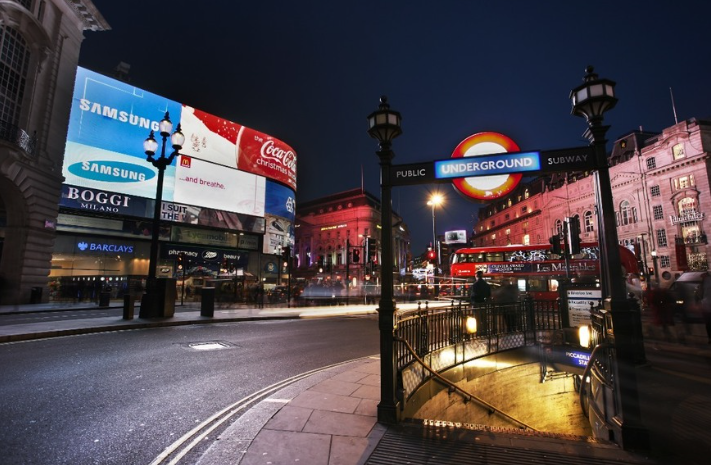
When London officially launched the Night Tube, many people saw it as a major step toward turning the capital into a true 24-hour city. In my experience researching urban transport systems and modern city economies, very few public transport projects create immediate cultural and economic changes the way the Night Tube has in London.
What started as an overnight transport service on selected weekends quickly became one of the most talked-about infrastructure improvements managed by Transport for London. Today, the Night Tube is widely viewed as a success story that supports workers, strengthens businesses, improves safety, and helps London compete with global cities like New York City, Berlin, Sydney, and Barcelona.
The impact goes far beyond nightlife. From nurses finishing late shifts to restaurant staff heading home safely, the Night Tube has changed how people move around the city after dark.
Overview
The London Night Tube significantly boosts the city’s nighttime economy by supporting late-night workers, theaters, bars, and restaurants.
Economic Impact
- Revenue Growth: Adds millions of pounds annually to London’s economy.
- Job Creation: Supports thousands of jobs in hospitality, culture, and transport.
- Business Growth: Extends operating hours for venues and boosts footfall.
Benefits for Commuters
- Cheaper Travel: Eliminates the need for expensive night taxis.
- Faster Commutes: Cuts late-night travel times by an average of 20 minutes.
- Shift Support: Helps nurses, cleaners, and security staff get home safely.
Network Coverage
- Central Line: Runs between Ealing Broadway and Loughton/Hainault.
- Jubilee Line: Operates across the entire line from Stanmore to Stratford.
- Northern Line: Runs between Morden and High Barnet/Edgware via Charing Cross.
- Piccadilly Line: Operates between Cockfosters and Heathrow Terminal 5.
- Victoria Line: Runs across the entire line from Brixton to Walthamstow Central.
Would you like to explore the current timetable, check safety features for night travelers, or look into the fares and ticketing options for these weekend services?
What Is the Night Tube?
The Night Tube is a 24-hour weekend service operating on parts of the London Underground network. Instead of shutting down shortly after midnight, selected lines continue running throughout Friday and Saturday nights.
Initially, overnight trains only operated on the Victoria line and Central line, but the service later expanded to include the Jubilee, Northern, and Piccadilly lines.
The goal was simple:
- Reduce congestion on night buses
- Improve late-night commuting
- Support London’s growing night-time economy
- Make the city safer and more accessible
In my experience, cities with reliable overnight transport tend to attract stronger tourism, better nightlife industries, and more economic flexibility. London’s decision to join other major global cities with all-night metro systems was long overdue.
Why the Night Tube Matters to London’s Economy
One of the strongest arguments in favor of the Night Tube is its economic value.
Economic consultancy Volterra predicted that the service would generate significant financial returns while creating nearly 2,000 permanent jobs. Those projections highlighted how transport infrastructure directly affects economic growth.
London’s night-time economy is enormous. According to London First, the sector contributes more than £17 billion annually and supports over 700,000 workers.
That includes industries such as:
- Hospitality
- Entertainment
- Healthcare
- Retail
- Transport
- Security services
In practical terms, the Night Tube allows businesses to stay open longer because staff and customers can travel more easily after midnight.
Restaurants, theaters, pubs, bars, and music venues benefit from increased foot traffic and longer operating hours. Many businesses near Tube stations immediately noticed increased customer activity once overnight services became available.
How Businesses Benefited From Overnight Tube Services
One detail that stood out to me while researching the Night Tube was how quickly businesses adapted to the change.
For example, Tesco tested 24-hour opening hours at stores located near Night Tube stations. That decision reflected growing confidence in late-night consumer demand.
The hospitality industry especially welcomed the service.
Celebrity chef Angela Hartnett publicly discussed how difficult late-night commuting had been for restaurant workers before the Night Tube launched. Staff often finished work after midnight and faced long journeys home using slow night bus routes.
The Night Tube changed that experience by:
- Reducing commute times
- Improving reliability
- Lowering transport stress
- Helping workers feel safer at night
In my experience, transport convenience often determines whether late-night businesses thrive or struggle. When workers and customers can move around easily, the entire nighttime economy becomes more active.
Faster and Cheaper Late-Night Travel
One of the biggest advantages for commuters is affordability.
Before the Night Tube, many Londoners relied on expensive taxis or private minicabs after the Underground closed. Overnight Tube services now provide a far cheaper alternative.
According to Transport for London, average journey times were reduced by roughly 20 minutes for many travelers.
That may not sound huge at first, but over weeks and months, those time savings make a major difference for:
- Shift workers
- Students
- Tourists
- Hospitality employees
- Healthcare staff
I’ve noticed that one of the hidden benefits of better transport systems is reduced mental fatigue. Long nighttime journeys can be exhausting, especially for people finishing physically demanding jobs.
The Night Tube gives many workers a quicker and safer way home.
The Cultural Impact of the Night Tube
The economic story is important, but the cultural impact is equally significant.
London has always been known for:
- Live music venues
- Theater districts
- Restaurants
- Pubs
- Nightlife entertainment
The Night Tube supports all of these industries by making late-night travel easier for both locals and tourists.
Areas that were once difficult to reach after midnight became more connected. That encouraged more people to explore different parts of the city at night.
In many ways, the service helped London strengthen its identity as a global city that never completely sleeps.
Cities like Amsterdam had already shown how strong night transport systems could support urban culture and tourism. London followed a similar path by investing in nighttime mobility.
Safety Benefits for Late-Night Travelers
One of the most overlooked advantages of the Night Tube is improved public safety.
Before overnight Tube services existed, some travelers relied on unlicensed minicabs or isolated bus stops late at night.
The Night Tube helps reduce those risks by:
- Keeping stations staffed
- Providing well-lit travel routes
- Offering reliable transportation
- Reducing dependence on illegal minicabs
For many women, students, and shift workers, safer public transport options create greater confidence when traveling after midnight.
In my experience, transportation safety directly affects how comfortable people feel participating in nighttime activities. A city becomes more accessible when people trust its transport system.
Challenges and Criticism
Despite its success, the Night Tube is not perfect.
Some critics argue that the benefits are unevenly distributed across London.
Several issues remain:
- Not all Tube lines operate overnight
- Services mainly run on weekends
- Some low-income workers still rely on buses
- Certain areas lack nearby 24-hour stations
- Tube fares may still be expensive for some commuters
Many low-paid workers live farther from central London because housing costs in Zones 1 and 2 are extremely high. As a result, some employees still face long journeys even with Night Tube access.
There are also ongoing discussions about expanding services further during weekdays.
Sadiq Khan and London’s Night-Time Vision
Sadiq Khan has strongly supported London’s nighttime economy and promoted policies aimed at helping businesses operate later and more efficiently.
One major idea involved creating a “night mayor” inspired by similar initiatives in Amsterdam. The concept focuses on coordinating nightlife, culture, transport, and business policies more effectively.
This reflects a broader shift in urban planning:
Modern cities are increasingly recognizing that economic activity does not stop at 6 PM.
Cities that invest in nighttime infrastructure often experience:
- Increased tourism
- Better cultural activity
- More flexible working opportunities
- Stronger entertainment sectors
Comparing London to Other Global Cities
London’s Night Tube also helped the city remain competitive internationally.
Cities such as:
- New York City
- Berlin
- Sydney
- Barcelona
already operated forms of overnight metro services.
For international tourists and business travelers, 24-hour transport is often seen as a sign of a modern, globally connected city.
In my experience, visitors notice transportation quality almost immediately. Efficient night travel improves the overall perception of a city and encourages people to spend more time — and money — exploring local businesses.
The Future of the Night Tube
The success of the Night Tube has sparked conversations about future expansion.
Potential improvements could include:
- More overnight routes
- Extended weekday services
- Better station accessibility
- Increased integration with buses
- Lower late-night fares
- Enhanced security measures
As London continues growing, demand for flexible transport will likely increase as well.
The rise of hybrid work, tourism recovery, and late-night industries means overnight transport may become even more important in the coming years.
Final Thoughts
The Night Tube has become far more than a transport experiment. It represents a major shift in how London functions after dark.
From boosting the economy to helping workers commute safely, the service has transformed late-night life across the city.
While challenges still exist, the overall impact has been overwhelmingly positive:
- Businesses earn more revenue
- Workers travel more safely
- Tourists enjoy greater flexibility
- London strengthens its global reputation
In my experience, successful cities invest in infrastructure that improves everyday life, not just during office hours but around the clock. The Night Tube proves that smart transport systems can support economic growth, cultural development, and public safety all at once.
As London continues evolving into a true 24-hour city, the Night Tube will likely remain one of the capital’s most influential modern transport achievements.