
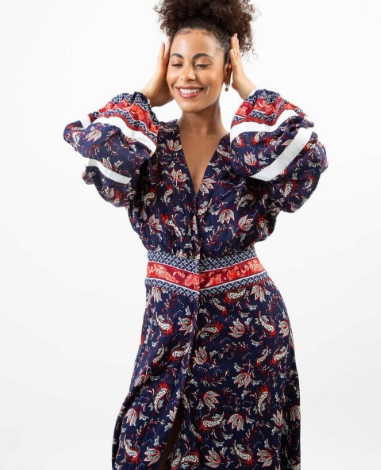
Breaking into the fashion industry is never easy. It is highly competitive, fast-moving, and constantly evolving. Yet some designers manage to stand out not only because of their creativity but also because of their persistence, vision, and willingness to learn from every stage of their journey.
One inspiring example is Atandjo Francoise Omanga, the Congolese-born British designer and entrepreneur behind the luxury womenswear brand KOYAWO.
In my experience researching emerging fashion entrepreneurs and independent luxury brands, her story represents something many young creatives can relate to starting from internships, learning from established industry leaders, and eventually building a unique brand identity that gains recognition on major fashion platforms.
Her rise from fashion intern to business owner is more than just a personal success story. It is also a blueprint for aspiring designers hoping to make their mark in the modern fashion industry.
Important Tip:
If you enjoy reading about rising creative talents and global fashion entrepreneurs, don’t miss the inspiring journey of Designer Veronika Vimpelova , whose innovative approach to luxury fashion is making waves across the international design industry.
Overview
Atandjo Francoise Omanga is a Congolese-born British fashion designer Atandjo Francoise, entrepreneur, and the visionary founder behind the London-based luxury womenswear brand KOYAWO. Her journey from an ambitious industry intern to running her own high-end fashion label serves as a powerful blueprint for rising designers trying to break into the competitive world of fashion.
Academic Background & Early Training
Omanga built her technical and creative foundation at one of the world’s leading fashion institutions.
- Graduated with a BA (Hons) in Fashion Design Atandjo Francoise & Development specializing in womenswear
- Studied at the prestigious London College of Fashion under the University of the Arts London
The Intern Era: Learning From the Masters
Before launching her own brand, she developed her design philosophy through competitive internships with major fashion houses.
- Jil Sander helped shape her understanding of luxury minimalism and garment construction
- Worked with Giles Deacon at Giles, where she refined her love for couture and experimental fabrics
Becoming the Boss: Launching KOYAWO
Armed with industry experience and a unique creative vision, Omanga founded KOYAWO.
- The brand specializes in ready-to-wear, couture, and made-to-order womenswear
- Known for bold femininity, modern silhouettes, and edgy elegance
- Collections such as “The Kivutienne” blend Congolese heritage with East African cultural and political inspirations
Media Spotlight & Recognition
Her evolving work quickly gained attention from fashion media and international runway platforms.
Who Is Atandjo Francoise Omanga?
Atandjo Francoise Omanga is a British fashion designer Atandjo Francoise with Congolese roots who transformed her lifelong passion for fashion into a growing luxury fashion business.
She is best known as the founder of KOYAWO, a London-based womenswear label that focuses on:
- Ready-to-wear collections
- Couture pieces
- Made-to-order fashion
- Bridal-inspired craftsmanship
- Bold feminine aesthetics
What makes her journey especially interesting is how naturally creativity became part of her life from childhood.
Growing up surrounded by seamstresses and dressmakers, she developed an early understanding of fabrics, sewing, and garment construction. Her grandmother, mother, and aunt all worked in fashion-related crafts, which deeply influenced her future career path.
In many ways, fashion became part of her identity long before it became her profession.
Studying at London College of Fashion
One major turning point in her journey was enrolling at the London College of Fashion, part of the prestigious University of the Arts London.
She graduated with a BA (Hons) in Fashion Design & Development specializing in womenswear.
In my experience, formal fashion education can provide more than technical skills. It also teaches:
- Creative discipline
- Trend analysis
- Brand building
- Fashion communication
- Industry networking
For many emerging designers, fashion school becomes the place where raw talent is refined into professional expertise.
That was clearly the case for Omanga.
Her time in London exposed her to one of the world’s most influential fashion capitals, helping shape her modern yet culturally rooted design perspective.
The Intern Era: Learning From Industry Leaders
Before becoming a business owner, Omanga spent time learning directly from major fashion brands.
She completed internships with:
- Jil Sander
- Giles
She also worked closely with renowned British designer Giles Deacon.
These experiences played a critical role in developing her understanding of:
- Couture craftsmanship
- Textile experimentation
- High-fashion presentation
- Luxury garment construction
- Creative storytelling through fashion
At Jil Sander, she experienced the precision and elegance associated with minimalist luxury fashion.
Working with Giles Deacon exposed her to more experimental and artistic fashion techniques.
In my experience, internships often determine how young designers approach creativity and business later in their careers. Omanga’s internships clearly gave her both technical confidence and industry insight.
Launching KOYAWO: From Assistant to Entrepreneur
In 2013, Omanga officially launched KOYAWO, transitioning from fashion assistant to entrepreneur.
The brand quickly developed a recognizable identity built around:
- Natural confidence
- Modern femininity
- Edgy sophistication
- Timeless silhouettes
- Premium materials
One thing that stands out about KOYAWO is its ability to blend classic couture elements with modern styling.
The collections often feature:
- Structured tailoring
- Metallic detailing
- Sharp patterns
- Experimental fabrics
- Handcrafted finishes
Her creative direction also reflects her African heritage, particularly inspirations connected to the Democratic Republic of Congo and East African culture.
For example, collections such as “The Kivutienne” explored themes of movement, power, politics, and cultural identity through fashion.
This combination of personal storytelling and couture craftsmanship helped the brand stand out in London’s crowded fashion scene.
Media Recognition and Fashion Industry Attention
As KOYAWO gained visibility, Omanga’s work attracted attention from respected fashion platforms and media outlets.
Her designer profile appeared in:
- British Vogue
- Woman & Home
The brand also gained exposure through:
- Not Just A Label
- London Fashion Week
- Fashions Finest SS18
In my experience, media recognition can significantly change the trajectory of an emerging fashion brand. Features in respected publications increase credibility and help designers reach new audiences.
However, sustaining attention requires consistency and evolution — something Omanga openly emphasizes in her approach to fashion.
She has repeatedly highlighted the importance of continuous learning and creative growth.
Fashion Shows and Real-World Lessons
One of the most memorable stories from her early career came during the Birmingham International Fashion Show.
After seeing one of her dresses on the runway, a model loved the design so much that she contacted Omanga the next day hoping to buy it.
At the time, KOYAWO was still a startup brand, and pricing structures were not fully established yet.
Still, the customer traveled from Birmingham to London just to collect the dress personally.
In my experience, moments like these are incredibly important for small fashion brands. They validate the emotional connection between designer and customer.
Fashion is not only about clothing — it is about confidence, identity, and storytelling.
Balancing Entrepreneurship and Family Life
Another powerful part of Omanga’s story is how she balances entrepreneurship with motherhood.
As a mother of three, she manages both family responsibilities and the demands of running a fashion business.
She has even expressed hopes of eventually turning KOYAWO into a family business as her children continue developing interests in fashion.
For many women entrepreneurs, balancing creativity, leadership, and personal life can be challenging. Her journey demonstrates that building a successful brand does not require sacrificing family identity.
Lessons Aspiring Fashion Designers Can Learn
In my experience studying successful independent fashion brands, several important lessons stand out from Omanga’s journey.
1. Start With Strong Foundations
Education and internships helped build her technical and creative confidence.
2. Learn From Industry Experts
Working under experienced designers accelerates growth.
3. Build a Unique Brand Identity
KOYAWO stands out because it combines heritage, couture, and modern femininity.
4. Stay Adaptable
Fashion changes constantly. Continuous learning is essential.
5. Use Personal Stories Creatively
Designs connected to personal experiences often feel more authentic and memorable.
The Future of KOYAWO
Omanga’s ambitions continue expanding beyond womenswear.
Future plans for KOYAWO may include:
- Accessories
- Beauty products
- Interior design
- Expanded couture collections
- International fashion showcases
Given the brand’s steady growth and unique creative identity, its future in the luxury fashion industry looks promising.
Final Thoughts
The story of Atandjo Francoise Omanga is more than a fashion success story. It is a lesson in persistence, creativity, and growth.
From studying at the London College of Fashion to interning with elite fashion houses and launching KOYAWO, she has built a career rooted in craftsmanship and personal vision.
In my experience, the most memorable fashion brands are the ones that combine technical skill with emotional storytelling. KOYAWO achieves exactly that by blending couture artistry, African heritage, and modern British fashion influences into a powerful creative identity.
For aspiring designers, her journey proves that internships are not the final destination. With vision, resilience, and originality, they can become the first step toward building something extraordinary.