Starting a business comes with a surprising amount of paperwork. I remember helping a friend register his small online business a few years ago. Everything seemed straightforward until we encountered a request for a “Business Registration Number.” His immediate response was something like, “My business has a name, a website, and customers—why does it need a number too?”
As it turns out, that number is incredibly important.
Whether you’re launching a startup, opening a local shop, freelancing online, or expanding an existing company, understanding what a business registration number is can save you time, prevent compliance issues, and help you operate legally.
In this guide, I’ll explain what a business registration number is, how it works, why governments require it, and how businesses use it in the real world. I’ll also cover common misconceptions, practical examples, and tips that can help business owners stay organized.
What Is a Business Registration Number?
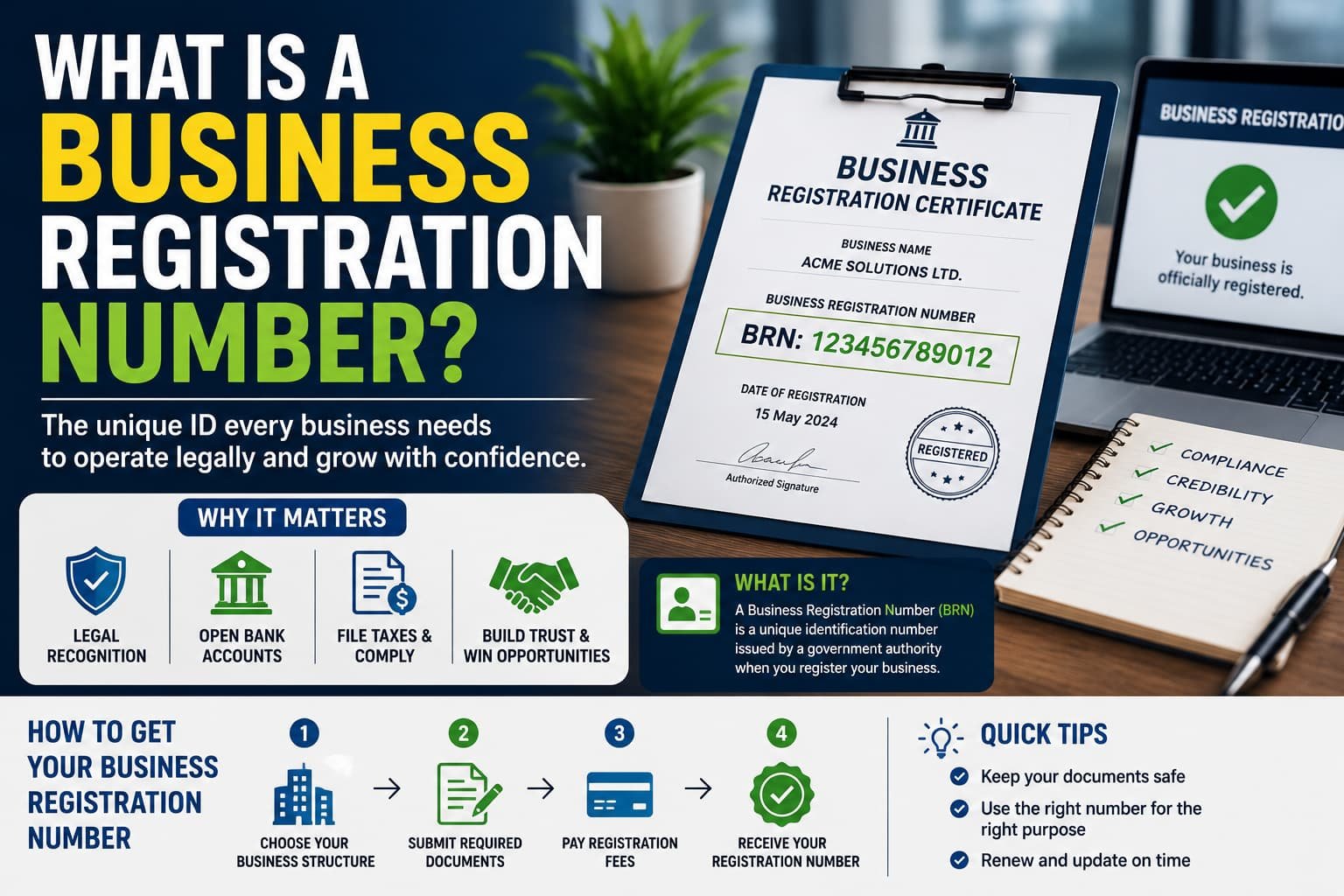
A business registration number (BRN) is a unique identification number assigned to a business when it is officially registered with a government authority or regulatory agency.
Think of it as a business’s official identity number.
Just as individuals may have national identification numbers, tax IDs, or social security numbers, businesses often receive a registration number that helps governments track and identify them.
The exact format varies depending on the country and registration authority.
A business registration number may be issued when registering:
- A corporation
- A limited liability company (LLC)
- A partnership
- A sole proprietorship
- A nonprofit organization
Once assigned, the number becomes an important reference for legal, tax, and administrative purposes.
See More: Costa Has Launched a Major Apprentice Recruitment Drive
Why Is a Business Registration Number Important?
Many new business owners underestimate how often they will use their registration number.
In my experience, once a business is operating, that number starts appearing everywhere.
Common Uses of a Business Registration Number
Businesses may need their registration number for:
- Opening business bank accounts
- Filing taxes
- Applying for licenses
- Signing contracts
- Applying for loans
- Government compliance reporting
- Importing or exporting goods
- Registering for business insurance
Without proper registration, many business activities become difficult—or impossible.
Building Credibility
A registered business often appears more trustworthy to customers, suppliers, and financial institutions.
Many clients feel more comfortable working with a business that is officially registered and legally recognized.
How Business Registration Numbers Work
A business registration number acts as a unique identifier within government databases.
When authorities search for a company, they can use the registration number to access information such as:
- Business name
- Registration date
- Business structure
- Registered address
- Status of the company
This helps prevent confusion between companies with similar names.
Example
Imagine two companies called:
- Bright Solutions
- Bright Solutions Consulting
Their registration numbers allow government agencies and financial institutions to distinguish between them quickly.
Business Registration Number vs Tax Identification Number
One of the most common areas of confusion involves business registration numbers and tax identification numbers.
Many people assume they are the same thing.
Sometimes they are related, but often they serve different purposes.
Business Registration Number
Used primarily to identify the legal entity itself.
Commonly assigned during company registration.
Tax Identification Number
Used primarily for tax administration and reporting.
Examples include:
- Employer Identification Numbers (EINs)
- Taxpayer Identification Numbers
- VAT registration numbers
Depending on the country, a business may have both numbers.
Who Issues a Business Registration Number?
The issuing authority depends on the country.
Examples may include:
- Corporate affairs commissions
- Companies registries
- State business agencies
- National business registration offices
In many countries, registration is handled through government portals that simplify the process.
Examples Around the World
Different countries use different systems.
For example:
- The United States often uses state-level business registration combined with federal tax IDs.
- The United Kingdom issues company numbers through the government company registry.
- Australia uses a national business number system.
- Canada assigns business identifiers through government agencies.
The concept remains largely the same: creating a unique identifier for a registered business.
How to Get a Business Registration Number
The process varies depending on location, but the general steps are similar.
Step 1: Choose a Business Structure
Common options include:
- Sole proprietorship
- Partnership
- Limited liability company (LLC)
- Corporation
Your chosen structure affects legal responsibilities and tax treatment.
Step 2: Register Your Business Name
Many jurisdictions require businesses to register their name before operating.
Step 3: Submit Registration Documents
Typical requirements may include:
- Owner information
- Business address
- Business activities
- Organizational details
Step 4: Pay Registration Fees
Many registration authorities charge filing fees.
Step 5: Receive Your Registration Number
Once approved, you’ll receive your official business registration number.
I found it useful to store registration documents digitally and physically. It makes future applications and compliance requirements much easier.
Where Can You Find a Business Registration Number?
Business owners often need to locate their registration number after registration.
Common places include:
- Registration certificates
- Government registration portals
- Business licenses
- Official correspondence
- Annual filing documents
Many government websites also provide company search tools.
Real-World Uses of Business Registration Numbers
Let’s look at practical examples.
Opening a Business Bank Account
Most banks require proof of registration before opening a business account.
The registration number helps verify that the business legally exists.
Applying for Business Loans
Lenders often review registration information during the application process.
Signing Supplier Agreements
Large suppliers frequently request business registration details before approving accounts.
Government Contracts
Many public sector contracts require registered businesses with valid registration numbers.
Common Problems Business Owners Face
Despite its importance, business registration can create confusion.
Losing Registration Documents
Many owners misplace their registration certificates.
Solution:
- Store digital backups
- Keep copies in secure cloud storage
- Maintain organized records
Using the Wrong Number
Businesses sometimes confuse:
- Registration numbers
- Tax IDs
- License numbers
Always verify which number a form requires.
Delayed Registration
Some entrepreneurs start operating before registering properly.
This can lead to:
- Compliance issues
- Banking challenges
- Legal complications
Registering early is usually the safest approach.
Business Registration Number and Online Businesses
A common misconception is that online businesses don’t need registration.
In reality, many online businesses still require registration depending on:
- Location
- Revenue
- Business structure
- Legal requirements
Examples include:
- E-commerce stores
- Freelance businesses
- Consulting services
- Digital agencies
The internet doesn’t eliminate regulatory obligations.
Tips for Managing Your Business Registration Information
Here are a few practices I’ve seen successful business owners follow:
Keep Digital Copies
Store important documents securely online.
Monitor Renewal Requirements
Some registrations require periodic updates or renewals.
Verify Government Requirements
Regulations can change over time.
Separate Personal and Business Records
This improves organization and simplifies financial management.
Benefits of Having a Registered Business
Beyond compliance, registration offers several advantages.
Professional Image
Registered businesses often appear more credible.
Easier Access to Financing
Banks and investors typically prefer working with registered entities.
Legal Protection
Certain business structures offer liability protection.
Growth Opportunities
Many partnerships, suppliers, and government programs require registration.
Quick Summary
If you’re short on time, here’s what to remember:
- A business registration number is a unique identifier assigned to a registered business.
- It helps governments, banks, and organizations identify businesses.
- It’s commonly required for taxes, banking, contracts, and compliance.
- Registration numbers differ from tax identification numbers.
- Most businesses benefit from registering properly and maintaining accurate records.
Frequently Asked Questions
Is a business registration number the same as an EIN?
Not always. A business registration number identifies the legal business entity, while an EIN or similar tax ID is typically used for tax purposes.
Can I operate a business without a registration number?
Requirements vary by location and business type. Many businesses must register before legally operating.
How do I verify a company’s business registration number?
Many governments provide public company search databases that allow users to verify registration details.
Conclusion
Understanding what a business registration number is may seem like a small detail, but it’s a foundational part of running a legitimate business. It serves as an official identifier, helps businesses comply with regulations, and supports everything from banking to contracts and tax reporting.
In my experience, the businesses that stay organized from the beginning tend to avoid many of the headaches that arise later. Keeping track of registration information, understanding its purpose, and knowing when to use it can save valuable time and prevent unnecessary complications.
Whether you’re starting your first business, researching company information, or preparing for future growth, knowing how business registration numbers work is an important step toward operating confidently and professionally.
Have questions about business registration in your country or region? Share your thoughts and experiences—your insight could help other entrepreneurs navigate the process more easily.