
Introduction
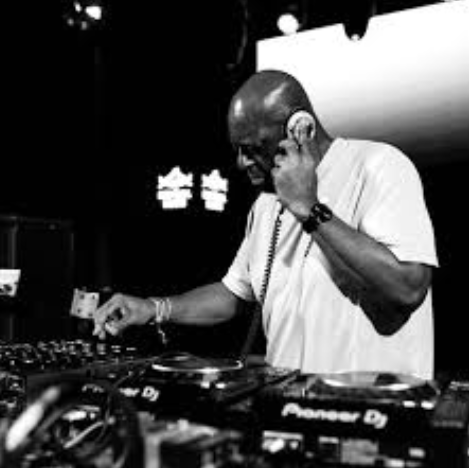
Few figures have shaped dance music culture as profoundly as Tony Humphries. Widely recognized as the architect of the legendary Jersey Sound, Humphries helped transform house music, club culture, radio broadcasting, and remix production during the 1980s and 1990s. His influence extends far beyond New Jersey, reaching New York, Chicago, the United Kingdom, and dance floors worldwide.
Interestingly, some modern music searches also reference a newer artist named Tony Humphries, described as a talented freestyle-focused hip-hop performer who has earned radio support from BBC Introducing, Eagle Radio, and Round House Radio. However, when most music historians, DJs, and house music fans discuss Tony Humphries, they are referring to the pioneering DJ whose work at Club Zanzibar helped define an entire movement.
See More: London Creative Tara Jasminaz Launches Project to Celebrate Blended Britain
In this guide, I’ll explore Tony Humphries’ life, career, influence, DJ philosophy, and lasting legacy in house music culture.
The Early Life of Tony Humphries
Tony Humphries grew up in Brooklyn, New York, surrounded by music from an early age. His father, René Grand, led a Latin music ensemble, exposing him to rich musical traditions long before he stepped behind a set of turntables.
His upbringing combined discipline and creativity. Raised in Catholic schools while simultaneously experiencing gospel and church music, Humphries developed a deep appreciation for powerful lyrics, soulful vocals, and emotional musical storytelling.
These influences would later become defining characteristics of his DJ sets and remixes.
Discovering Records and Music Culture
Before becoming famous, Humphries worked at Burdell’s Record Shop, where he organized records and immersed himself in gospel music culture.
This experience helped him understand something many DJs overlook today: great music is about emotional connection rather than simply following trends.
His early exposure to artists, choirs, and local music communities laid the foundation for the soulful style that would later make him famous.
From Mobile DJ to Radio Star
Like many aspiring DJs, Tony Humphries started small.
He performed at college events, neighborhood parties, and mobile DJ gigs throughout New York City. Transporting speakers, mixers, cables, and records across boroughs was hard work, but it helped him develop valuable technical skills.
One of the biggest turning points in his career came when he met Shep Pettibone.
The KISS FM Breakthrough
Humphries eventually landed an opportunity at 98.7 KISS FM, one of New York’s most influential radio stations.
His radio shows quickly became known for their structure, creativity, and sophisticated programming.
Unlike many DJs who simply played popular songs, Humphries applied strategic radio techniques:
- Balancing familiar and new records
- Mixing male and female vocal tracks
- Controlling energy levels throughout a set
- Keeping listeners engaged for extended periods
These techniques would later become essential components of his club performances.
Club Zanzibar and the Birth of the Jersey Sound
When discussing Tony Humphries, it is impossible to ignore Club Zanzibar in Newark, New Jersey.
The venue became his creative laboratory and eventually the birthplace of the famous Jersey Sound.
Why Club Zanzibar Was Special
Club Zanzibar featured an incredible Richard Long sound system that rivaled the legendary Paradise Garage in New York.
The club attracted dancers, producers, musicians, and DJs looking for something different.
Humphries combined:
- Philadelphia soul
- Gospel influences
- Chicago house music
- Underground dance records
- Deep house grooves
- Soulful vocals
The result was a unique musical identity that became known worldwide as the Jersey Sound.
Influences: Larry Levan, Paradise Garage, and The Loft
Every great artist learns from those who came before them.
For Tony Humphries, few influences were more important than Larry Levan.
At Paradise Garage, Humphries witnessed marathon DJ sets that lasted well into the morning. He studied how Levan controlled energy, built anticipation, and connected emotionally with the crowd.
The Loft also had a major impact.
Unlike louder club environments, The Loft emphasized audio purity and exceptional sound quality. Humphries often praised its pristine listening experience.
These venues shaped his belief that sound systems are instruments themselves.
The Importance of Philadelphia Soul
One of the most overlooked aspects of Tony Humphries’ career is his deep admiration for Philly International Records.
Artists from the Philadelphia soul movement inspired his approach to music selection.
Humphries frequently cited:
- Strong songwriting
- Meaningful lyrics
- World-class musicianship
- Emotional authenticity
His visits to Sigma Sound Studios further strengthened his appreciation for professional music production.
This commitment to quality helped separate him from countless other DJs.
How Tony Humphries Changed DJ Culture
Many modern DJ techniques can trace their roots to pioneers like Tony Humphries.
Long-Form Programming
Instead of focusing on quick transitions, Humphries specialized in extended journeys.
A typical night might last:
- Seven hours
- Eight hours
- Sometimes even longer
He believed a DJ should tell a story rather than simply play hit records.
Blending Radio and Club Techniques
One of Humphries’ greatest innovations was applying radio programming principles inside nightclubs.
He understood crowd psychology and used carefully planned record selection to maintain audience engagement.
This approach helped him create unforgettable experiences at Zanzibar.
The Chicago House Connection
The relationship between Chicago house music and the Jersey Sound was incredibly important.
Humphries regularly supported releases from:
- Trax Records
- DJ International Records
- Virgo
- Ten City
By introducing Chicago house records to New Jersey audiences, he helped accelerate the genre’s growth.
Many producers credit him with helping house music gain broader acceptance outside Chicago.
International Success
Tony Humphries’ reputation eventually spread overseas.
The United Kingdom
His appearances at Shoom, Ministry of Sound, and other influential venues introduced British audiences to the soulful American house sound.
The response was overwhelming.
British club culture embraced many of the musical elements Humphries had refined at Zanzibar.
Italy and Beyond
His residency at Echoes in Rimini further demonstrated his international appeal.
What impressed audiences most was his ability to adapt without abandoning his signature style.
Remixing and Production Success
Beyond DJing, Humphries became one of dance music’s most respected remixers.
Notable projects included work involving:
- The Beloved
- Romanthony
- Various house and dance artists
His remixes often incorporated:
- Gospel influences
- Soulful arrangements
- Layered instrumentation
- Extended club-friendly structures
These productions helped define the sound of house music during a crucial period of growth.
Lessons from Tony Humphries’ Career
After studying his journey, several key lessons stand out.
Focus on Quality
Humphries consistently prioritized musical quality over popularity.
Stay Authentic
Rather than chasing trends, he remained committed to soulful, meaningful music.
Respect the Audience
He understood that every record contributes to a larger experience.
Avoid Burnout
One of his most valuable pieces of advice was maintaining balance between work and personal life.
That lesson remains relevant for DJs, musicians, creators, and entrepreneurs today.
Quick Takeaways
- Tony Humphries helped create the legendary Jersey Sound.
- Club Zanzibar became one of house music’s most influential venues.
- Larry Levan and Paradise Garage significantly influenced his approach.
- KISS FM helped launch his radio career.
- His work connected New York, New Jersey, Chicago, and UK dance scenes.
- His remixes remain respected decades later.
- His philosophy centered on soulful music, meaningful lyrics, and audience connection.
Frequently Asked Questions
Who is Tony Humphries?
Tony Humphries is a legendary American DJ, producer, and remixer best known for developing the Jersey Sound and his influential residency at Club Zanzibar in Newark, New Jersey.
What is the Jersey Sound?
The Jersey Sound is a style of soulful house music that combines gospel influences, Philadelphia soul, deep house, and underground dance music. Tony Humphries played a major role in shaping and popularizing it.
Why is Tony Humphries important in house music history?
He helped bridge New York club culture, Chicago house music, and international dance scenes while pioneering DJ programming techniques, remixing styles, and marathon club performances.
Final Thoughts
After researching Tony Humphries’ remarkable career, one thing becomes clear: his influence extends far beyond individual records or club nights. His work helped shape how DJs think, how dance floors connect, and how house music evolved globally.
Whether you’re a lifelong house music fan, an aspiring DJ, or someone discovering the roots of dance culture, Tony Humphries’ story offers valuable lessons about creativity, authenticity, and musical passion.
Have a favorite Tony Humphries mix, remix, or Club Zanzibar memory? Share your thoughts and join the conversation below.