

Choosing the best bank in the UAE as an expat can feel overwhelming, especially when there are dozens of local and international banks offering different account types, fees, and benefits. Whether you’ve recently moved to Dubai or Abu Dhabi for work, launched a business, or plan to invest in the UAE, selecting the right bank is an important financial decision.
From my research into the UAE banking sector, one thing is clear—there isn’t a single “best” bank for everyone. The right choice depends on your salary, residency status, banking habits, international transfer needs, and whether you need a personal or business account.
Among the most trusted banks for expats are Emirates NBD, First Abu Dhabi Bank (FAB), Abu Dhabi Commercial Bank (ADCB), Mashreq, and Dubai Islamic Bank (DIB). Other reliable options such as HSBC UAE, Standard Chartered, Commercial Bank of Dubai (CBD), RAKBANK, ADIB, Emirates Islamic, and Citibank UAE also serve different customer needs.
In this comprehensive guide, you’ll learn how banking works in the UAE, the documents required to open an account, factors to compare before choosing a bank, common challenges expats face, and which banks are best suited for different lifestyles and financial goals.
An Overview of Banking in the UAE
The UAE has one of the strongest and most modern banking systems in the Middle East. The banking industry is regulated by the Central Bank of the UAE (CBUAE), ensuring that banks follow strict financial regulations, anti-money laundering (AML) policies, and customer protection standards.
Banks in the UAE offer a wide range of financial products for residents, non-residents, entrepreneurs, investors, and companies operating in mainland and free zones such as DMCC, IFZA, DIFC, ADGM, Meydan Free Zone, and RAKEZ.
Most expats can choose from several account types, including:
- Current accounts
- Savings accounts
- Salary accounts
- Multi-currency accounts
- Fixed deposit accounts
- Business bank accounts
- Islamic banking accounts
- Premium and wealth management accounts
Today, digital banking has become a major priority. Leading banks provide feature-rich mobile applications that allow customers to transfer money, pay bills, manage debit and credit cards, download statements, and send international payments without visiting a branch.
Documents Resident Expats Usually Need
Opening a personal bank account is generally straightforward for UAE residents. However, banks must verify your identity and residency before approving an application.
Most banks usually request:
- Valid passport
- UAE residence visa
- Emirates ID
- Proof of address
- UAE mobile number
- Salary certificate or employment letter
- Recent salary slips (if applicable)
- Bank statements (in some cases)
If you are a new resident and your Emirates ID is still being processed, some banks may accept the application receipt, although requirements vary between institutions.
Non-residents can also open certain account types, but they often face additional verification and may have fewer banking options than UAE residents.
Documents Business Owners Usually Need
Business account applications involve more detailed reviews than personal accounts because banks must understand how a company operates and where its funds originate.
Business owners may be asked to provide:
- Trade licence
- Memorandum of Association (MOA)
- Shareholder passports
- Emirates ID copies (where applicable)
- Ultimate Beneficial Owner (UBO) details
- Office lease or Flexi-desk agreement
- Business plan
- Expected transaction profile
- Source of funds documentation
- Corporate Tax registration (where applicable)
- VAT registration documents
- Supplier invoices
- Client contracts
- Purchase orders
- Company bank statements
The exact requirements depend on the bank, company activity, ownership structure, and overall business profile.
Why Banks May Ask for Extra Documents
Many expats are surprised when banks request additional paperwork even after submitting the standard documents. In reality, this is a normal part of the UAE banking process.
Banks follow strict Know Your Customer (KYC) and Anti-Money Laundering (AML) regulations. Their responsibility is to understand who the customer is, how the business operates, and whether transactions match the declared business activity.
Extra verification is more common for businesses involved in:
- General trading
- Import and export
- E-commerce
- International consulting
- Brokerage services
- Cross-border payments
- Holding companies
- Investment firms
For example, a trading company may be asked to provide supplier invoices, shipping documents, and transaction history, while a consultancy business may need service agreements and client contracts.
Rather than viewing these requests as obstacles, it’s better to see them as part of the bank’s compliance process designed to protect both customers and the financial system.
Which Bank Is Better for Expats?
The best bank in the UAE depends on your financial priorities rather than the bank’s size.
If you need excellent mobile banking, a wide ATM network, and salary account benefits, Emirates NBD is often one of the strongest choices.
If you prefer practical day-to-day banking with reliable customer service, ADCB remains a favorite among many residents.
For professionals, investors, and customers seeking personal, corporate, and wealth management services under one institution, First Abu Dhabi Bank (FAB) offers a comprehensive banking experience.
Digital-first customers frequently choose Mashreq, thanks to its innovative online banking services and user-friendly mobile app.
Those looking for Sharia-compliant banking products often prefer Dubai Islamic Bank (DIB) or Emirates Islamic, both of which provide personal and business banking solutions based on Islamic finance principles.
Meanwhile, globally mobile professionals may appreciate the international banking networks offered by HSBC UAE and Standard Chartered, especially if they regularly transfer money overseas.
Choose Emirates NBD If You Value
Emirates NBD continues to be one of the most popular banks among expats because it combines traditional banking with modern digital services.
It may be the right choice if you value:
- Extensive branch and ATM network across the UAE
- Excellent mobile banking application
- Convenient salary accounts
- Competitive international transfer services
- Wide range of personal banking products
- Strong credit card and loan options
- Easy access for Dubai residents
For many salaried employees, Emirates NBD offers a balanced combination of convenience, digital innovation, and everyday banking features that simplify managing finances in the UAE.
Which Are the Top 5 Banks in the UAE?
The UAE is home to many reputable banks, but five institutions consistently stand out for their strong financial reputation, digital banking services, branch networks, and products designed for expats. While no single bank is perfect for everyone, these banks are among the most popular choices for residents, professionals, entrepreneurs, and investors.
1. Emirates NBD

Emirates NBD is one of the largest and most recognized banks in the UAE, particularly among expats living in Dubai. It offers a wide selection of personal and business banking products, making it suitable for salaried employees, families, entrepreneurs, and high-income professionals.
Popular features include:
- User-friendly mobile and online banking
- Current and savings accounts
- Salary accounts
- Credit cards and personal loans
- Multi-currency banking options
- International money transfers
- Extensive ATM and branch network
For business customers, Emirates NBD also provides SME banking, trade finance, merchant services, and corporate banking solutions. Business account approval depends on the company’s activity, ownership structure, and compliance review.
2. First Abu Dhabi Bank (FAB)

First Abu Dhabi Bank (FAB) is the UAE’s largest bank by assets and serves millions of personal and business customers across the country.
💳 Check Your FAB Account Balance Easily
If you have a First Abu Dhabi Bank (FAB) account, our FAB Balance Check guide explains the official ways to check your account balance securely using the FAB mobile app, online banking, ATMs, SMS banking, and other convenient methods. Stay updated with your available balance anytime, anywhere.
FAB is often recommended for:
- Professionals working in Abu Dhabi
- Business owners
- Investors
- Wealth management clients
- International banking customers
The bank offers personal accounts, business accounts, investment products, trade finance, foreign exchange services, and premium banking packages. Customers looking for comprehensive financial services under one institution often find FAB to be an excellent choice.
If you’re considering First Abu Dhabi Bank, our detailed FAB Mobile App guide explains its features, digital banking tools, account management options, and everything you need to know before getting started.
3. Abu Dhabi Commercial Bank
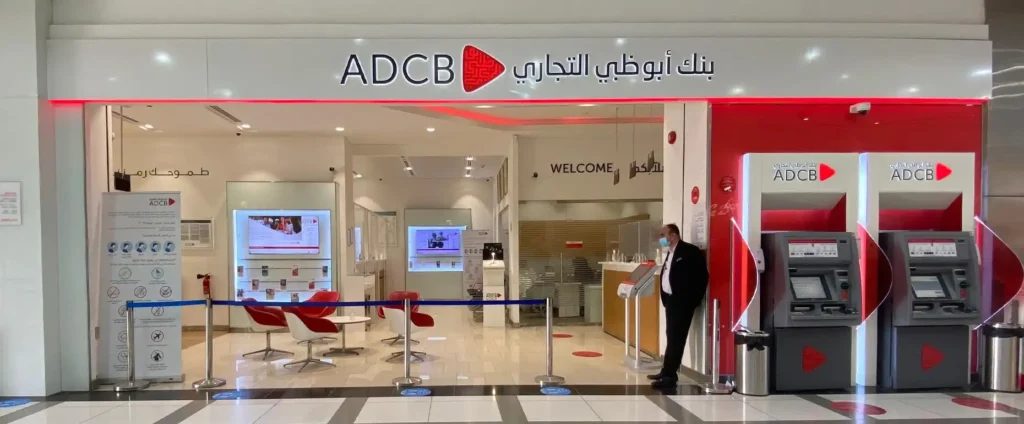
ADCB has built a strong reputation for reliable customer service and practical banking solutions. Many expats appreciate its simple account options and efficient digital banking experience.
Key benefits include:
- Everyday current accounts
- Savings accounts
- Salary transfer accounts
- Mobile banking
- Personal finance solutions
- SME and corporate banking
For residents seeking straightforward banking without unnecessary complexity, ADCB remains one of the UAE’s strongest banking options.
4. Mashreq
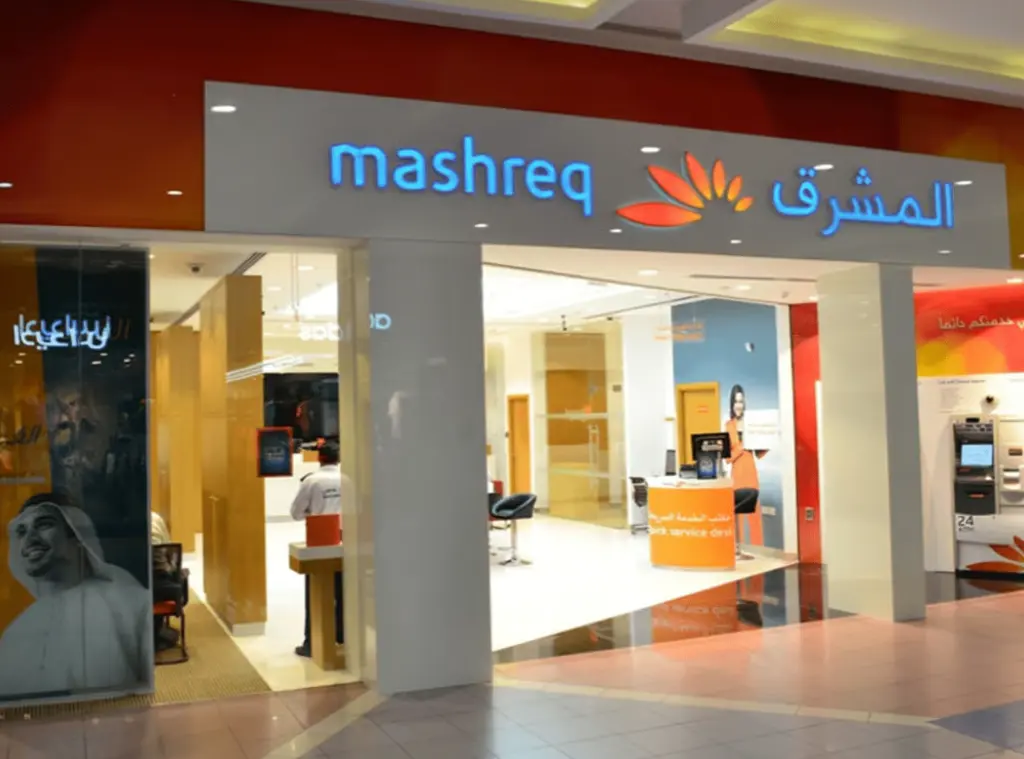
Mashreq is one of the UAE’s oldest privately owned banks and is well known for embracing digital innovation.
Its strengths include:
- Fast online account management
- Excellent mobile banking
- International payment services
- Business banking
- Merchant solutions
- Digital-first banking experience
Mashreq is especially attractive to younger professionals and customers who prefer handling almost every banking task through their smartphone.
5. Dubai Islamic Bank
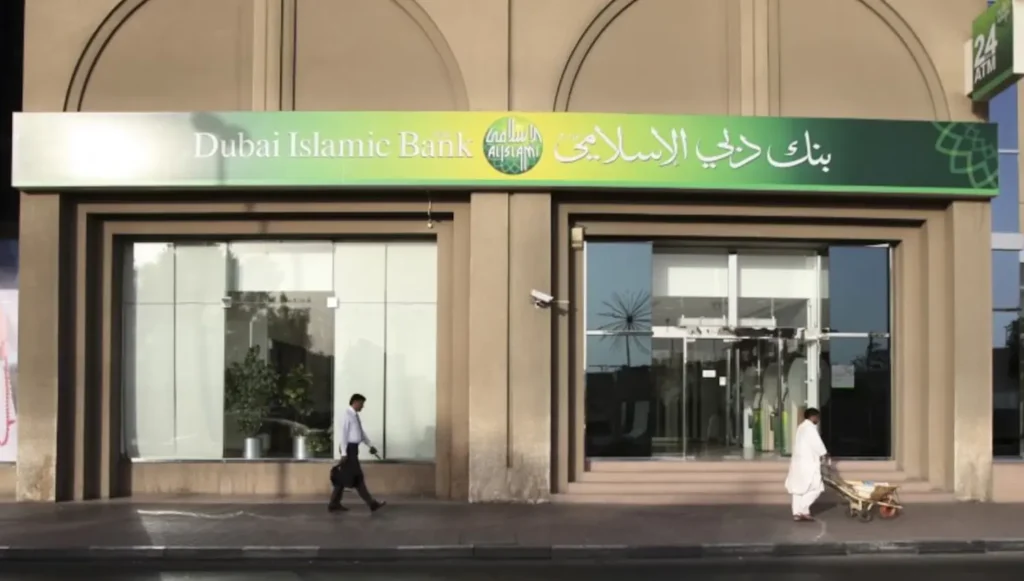
Dubai Islamic Bank (DIB) is one of the pioneers of Islamic banking worldwide.
It provides Sharia-compliant financial products while still offering modern banking technology and convenient digital services.
Customers can access:
- Islamic current accounts
- Savings accounts
- Business banking
- Home finance
- Personal finance
- Trade finance
- Corporate banking
Even non-Muslim residents can open accounts at many Islamic banks, although available products may differ depending on the institution.
💳 Check Your Salary Instantly
If your employer pays you through a prepaid payroll card, you can quickly confirm whether your latest salary has been credited. Read our complete Ratibi Card Salary Check guide to learn the easiest ways to check your balance, verify salary deposits, and stay on top of your monthly finances.
Factors to Consider Before Choosing a Bank
Choosing the best bank isn’t simply about selecting the largest financial institution. The right decision depends on your lifestyle, employment, financial goals, and future plans in the UAE.
Residency and Visa Status
Your residency status has a significant impact on the type of account you can open.
Residents with a valid Emirates ID and residence visa generally enjoy more banking options than non-residents. Some premium accounts also require a minimum monthly income or long-term residency.
If you’re changing employers or switching to an investor visa, notify your bank promptly to keep your records updated.
Salary Transfer
Many UAE banks provide special benefits when your salary is transferred directly into your account.
These benefits may include:
- Lower account fees
- Better credit card eligibility
- Higher loan limits
- Easier account maintenance
- Waived minimum balance requirements
Before opening an account, confirm whether your employer supports salary transfers through your chosen bank.
Minimum Balance and Account Rules
Most UAE banks require customers to maintain a minimum balance. Falling below this amount may result in monthly maintenance fees.
Before opening an account, always review:
- Minimum balance requirements
- Monthly charges
- Debit card fees
- Cheque book fees
- ATM withdrawal fees
- Account closure charges
Reading the latest fee schedule helps you avoid unnecessary banking costs.
International Transfers
Many expats regularly send money to family members or overseas accounts.
When comparing banks, look beyond the advertised transfer fee and consider:
- Exchange rates
- Transfer speed
- SWIFT charges
- Foreign currency support
- International banking network
If overseas transfers are part of your routine, choosing a bank with competitive foreign exchange services can save money over time.
Digital Banking
Modern banking is no longer limited to physical branches.
The best banking apps should allow you to:
- Transfer money locally and internationally
- Freeze or unblock debit cards
- Pay utility bills
- Download account statements
- Manage credit cards
- Open additional accounts
- View transaction history
- Contact customer support instantly
Banks such as Emirates NBD, FAB, ADCB, Mashreq, HSBC UAE, and Emirates Islamic continue investing heavily in digital banking technologies.
Branch and ATM Access
While online banking has become the norm, branch access is still valuable for certain services.
You may need to visit a branch to:
- Verify identity
- Update documents
- Apply for business banking
- Request cheque books
- Resolve complex account issues
Choosing a bank with an extensive ATM and branch network can make everyday banking much more convenient.
Business Account Support
Entrepreneurs should carefully evaluate a bank’s business banking capabilities.
Different banks specialize in different customer profiles.
For example:
- Mainland companies
- Free zone businesses
- SMEs
- Holding companies
- E-commerce businesses
- Professional service firms
- International trading companies
Banks usually assess expected transaction volumes, ownership structure, source of funds, and company activities before approving a corporate account.
Read More About: What Does Evergreen Mean in Business?
Real UAE Banking Issues Expats Should Expect
Although opening a personal account is generally straightforward, some situations can slow the process.
Common challenges include:
- Delays in Emirates ID issuance
- Incomplete documentation
- Salary verification requirements
- Additional compliance reviews
- Minimum balance penalties
- International transfer verification
- Business account due diligence
Business owners often experience longer approval timelines because banks carefully review company activities and transaction profiles before activating corporate accounts.
Being prepared with accurate documentation helps reduce delays.
Compliance Expectations
Compliance is an essential part of UAE banking.
Banks follow strict regulations to prevent fraud, money laundering, and financial crimes. This means they may request additional information even after an account has been opened.
Depending on your profile, banks may ask for:
- Source of funds
- Source of wealth
- Client contracts
- Supplier invoices
- Shareholder information
- UBO records
- Office lease agreements
- Business activity explanation
- Updated Emirates ID
- Salary records
Providing clear and accurate information usually makes the review process much smoother.
Tax and Regulatory Readiness
For business owners, maintaining accurate tax records has become increasingly important.
Banks may review:
- Corporate Tax registration
- VAT registration
- Trade licence validity
- UBO records
- Shareholder details
- Office lease agreements
- Financial statements
- Expected business activities
Keeping these documents updated demonstrates transparency and helps support a successful banking relationship.
Many banks also compare your declared business activity with actual transactions to ensure consistency with regulatory requirements.
Comparison Table: Features, Fees & Benefits
Comparing banks side by side makes it easier to find an account that matches your financial needs. While account features, fees, and eligibility requirements may change over time, the table below provides a general overview of what many expats consider before opening an account.
Main UAE Banks Expats Compare First
| Bank | Best For | Digital Banking | International Transfers | Business Banking | General Notes |
|---|---|---|---|---|---|
| Emirates NBD | Salaried employees and Dubai residents | Excellent | Strong | Yes | Large ATM network, popular salary accounts, and a feature-rich mobile banking app. |
| First Abu Dhabi Bank (FAB) | Investors, professionals, and premium customers | Excellent | Excellent | Yes | Comprehensive personal, corporate, and wealth management banking services. |
| ADCB | Everyday banking | Very Good | Good | Yes | Simple account options with dependable customer support and digital services. |
| Mashreq | Digital-first users | Excellent | Very Good | Yes | Innovative online banking with one of the UAE’s strongest mobile banking experiences. |
| Dubai Islamic Bank | Islamic banking customers | Very Good | Good | Yes | Offers Sharia-compliant personal and business banking with modern digital services. |
Other UAE Banks Expats May Compare
Besides the top five, several other banks are worth considering depending on your financial needs.
🏦 Other UAE Banks Expats May Compare
If the top banks don’t fully match your needs, these reputable UAE banks also offer excellent personal, business, and international banking solutions.
| 🏦 Bank | ⭐ Best For | ✨ Key Highlights |
|---|---|---|
| HSBC UAE | International Professionals | 🌍 Global banking network, seamless cross-border transfers, premium wealth management services. |
| Standard Chartered UAE | Frequent International Banking | 💳 Excellent international transfers, premium banking, and global financial solutions. |
| Commercial Bank of Dubai (CBD) | Dubai Residents | 🏙️ Personal banking, SME support, business accounts, and modern digital services. |
| Emirates Islamic | Islamic Banking | 🕌 Multi-currency accounts with fully Sharia-compliant banking products. |
| ADIB | Personal & Islamic Finance | 📱 Strong digital banking platform combined with Islamic financial solutions. |
| RAKBANK | SMEs & Entrepreneurs | 🚀 SME banking, merchant services, business financing, and startup-friendly solutions. |
| Citibank UAE | Global Professionals | 💼 Premium international banking, wealth management, and global financial expertise. |
Remember that account approval, fees, and eligibility can vary depending on your income, residency status, and the specific account you choose. Always check the latest terms directly with your preferred bank before submitting an application.
How to Use This Bank Comparison
Instead of choosing a bank based only on popularity, compare each institution according to your personal financial goals.
Ask yourself questions such as:
- Do I need a salary account?
- Will I send money overseas regularly?
- Do I require business banking?
- Is a strong mobile banking app important?
- Will I maintain the required minimum balance?
- Do I prefer Islamic or conventional banking?
Answering these questions will help narrow your options and make the selection process much easier.
Tips for Managing Finances in Dubai as a Foreigner
Good financial habits are just as important as choosing the right bank. Staying organized can help you avoid unnecessary fees, simplify banking, and prepare for future financial opportunities.
Keep Your Emirates ID and Visa Updated
Banks periodically ask customers to update their Emirates ID and residency information. Failing to update expired documents may temporarily restrict access to certain banking services.
Whenever your visa is renewed or your Emirates ID changes, notify your bank as soon as possible.
Save Salary and Settlement Records
Keep copies of:
- Salary certificates
- Payslips
- Employment contracts
- End-of-service settlement documents
- Bank statements
These records are often useful when applying for loans, updating account information, or verifying your income.
Track Your Status After Visa Changes
Changing employers, switching to a freelance permit, obtaining a Golden Visa, or becoming an investor may affect your banking profile.
Keeping your bank informed helps ensure your account remains compliant with UAE regulations.
Separate Personal and Business Money
One of the most common mistakes new entrepreneurs make is using a personal account for business transactions.
Keeping business income separate from personal finances makes accounting easier and reduces compliance concerns.
Keep Invoices and Contracts
If you own a company, organize important business documents such as:
- Client agreements
- Supplier invoices
- Purchase orders
- Sales invoices
- Payment confirmations
Banks may request these documents during periodic account reviews.
Prepare for Business Banking Early
Many entrepreneurs wait until after receiving their trade licence before thinking about banking.
Instead, prepare early by reviewing:
- Company activity
- Shareholder information
- Source of funds
- Expected monthly transactions
- Office lease
- Business plan
Having these documents ready often speeds up the application process.
Avoid Unclear Licence Activity
Banks want to clearly understand what your business does.
Choosing a licence activity that accurately reflects your operations reduces the likelihood of additional compliance questions.
Keep Your Tax File Aligned
If your company is registered for Corporate Tax or VAT, ensure your records remain accurate and up to date.
Banks may review these details when assessing business accounts or conducting routine compliance checks.
Review Bank Charges Often
Bank fees can change over time.
Review charges related to:
- Minimum balance
- Debit cards
- ATM withdrawals
- International transfers
- Cheque books
- Account maintenance
- Business banking services
A quick review every few months can help you avoid unnecessary expenses.
Remember That Approval Depends on the File
No bank can guarantee account approval.
Each application is assessed individually based on your identity, residency, income, financial history, business activity (where applicable), and compliance profile.
Providing complete, accurate, and transparent documentation significantly improves the likelihood of a smooth application process.
Best Bank Account in UAE for Business Owners and Investors
Business banking involves more than simply opening an account. Banks carefully evaluate a company’s ownership structure, licensing, financial activity, and expected transaction volume before approving corporate accounts.
Whether your business operates in mainland UAE or a free zone such as DMCC, DIFC, ADGM, IFZA, Meydan Free Zone, or RAKEZ, choosing the right banking partner is essential.
Different businesses have different banking needs:
- Trading companies often require trade finance and international payment services.
- Consultancy firms may need flexible online banking and client payment solutions.
- E-commerce businesses benefit from merchant services and payment gateways.
- SMEs usually prioritize low banking fees and straightforward account management.
- Larger businesses often look for treasury services, working capital solutions, and dedicated relationship managers.
Banks generally review the complete business profile rather than the trade licence alone, so preparing your documentation in advance can make the onboarding process much smoother.
Documents Expats May Need to Open a Bank Account in UAE
The exact documentation depends on your residency status and account type.
Some banks may request additional documentation depending on their internal compliance procedures.
Common Banking Mistakes Expats Should Avoid
Avoiding common mistakes can save both time and money.
Some of the most frequent banking errors include:
- Choosing a bank based only on popularity
- Ignoring minimum balance requirements
- Not comparing international transfer costs
- Forgetting to update Emirates ID or visa details
- Mixing personal and business transactions
- Applying without complete documentation
- Overlooking account maintenance fees
- Not reviewing digital banking features before opening an account
Taking a little extra time to compare banks and prepare your documents can make your banking experience much smoother.
Conclusion
The best bank in the UAE for expats ultimately depends on your personal circumstances, financial goals, and banking preferences. While Emirates NBD, First Abu Dhabi Bank (FAB), ADCB, Mashreq, and Dubai Islamic Bank remain among the most trusted choices, other banks such as HSBC UAE, Standard Chartered, Commercial Bank of Dubai, Emirates Islamic, ADIB, RAKBANK, and Citibank UAE may better suit specific needs.
Before opening an account, compare factors such as digital banking features, salary transfer requirements, minimum balance rules, international transfer costs, customer service, ATM availability, and business banking support. If you’re planning to start a company, preparing your compliance documents early can help simplify the approval process.
Choosing the right bank isn’t just about today’s needs—it’s about finding a financial partner that supports your future in the UAE.
FAQs
Which is the best bank in UAE for expats?
There is no one-size-fits-all answer. Emirates NBD, FAB, ADCB, Mashreq, and Dubai Islamic Bank are among the most popular choices, but the best option depends on your salary, residency status, banking habits, and financial goals.
Which is better: Emirates NBD or ADCB?
Emirates NBD is often preferred for its extensive branch network, digital banking, and salary accounts, while ADCB is known for practical everyday banking, reliable customer service, and straightforward account options.
Which are the top 5 banks in the UAE?
Many expats consider these five among the strongest banks in the UAE:
- Emirates NBD
- First Abu Dhabi Bank (FAB)
- Abu Dhabi Commercial Bank (ADCB)
- Mashreq
- Dubai Islamic Bank (DIB)
Which is better, Emirates NBD or FAB?
Emirates NBD is well suited for everyday personal banking and salary accounts, particularly in Dubai. FAB is a strong option for professionals, investors, wealth management clients, and businesses seeking broader corporate banking services.
Which UAE bank is best for business owners?
The ideal business bank depends on your company structure, trade licence, expected transaction volume, and financial requirements. Emirates NBD, FAB, ADCB, Mashreq, HSBC UAE, and RAKBANK are all widely used by SMEs and larger businesses.
Can expats open a business bank account in UAE?
Yes. Expats can open business bank accounts after establishing a UAE company and providing the required documentation. Banks will typically review your trade licence, ownership details, business activity, source of funds, and compliance documents before approving the application.