London Stair Climb Event to Raise Thousands for Charity
The first time I watched a stair climb event in London, I thought, “Who voluntarily runs up hundreds of flights of stairs?” About ten minutes later, after seeing participants emerge at the top with huge smiles, charity medals, and spectacular skyline views, I understood the appeal. These events are not just about fitness they’re about raising money for good causes while conquering some of London’s tallest buildings.
One of the standout events in this space is the Broadgate Tower Run Up, hosted by Total Motion Events at The Broadgate Tower in the City of London. What makes it unusual is that it is open to all charities, unlike many tower climbs that support a single organization.
In this guide, I’ll break down how London stair climb events work, compare the biggest charity tower runs, share practical training tips, and explain why these challenges are becoming one of the UK’s most exciting fundraising trends.
Overview
Quick Guide
Conquer London’s vertical limits to raise thousands for charity! Take on skyscraper endurance events that combine hundreds of flights of stairs with fundraising goals and panoramic city views.
Top London Stair Climb Events
1. Climb the Capital
475m
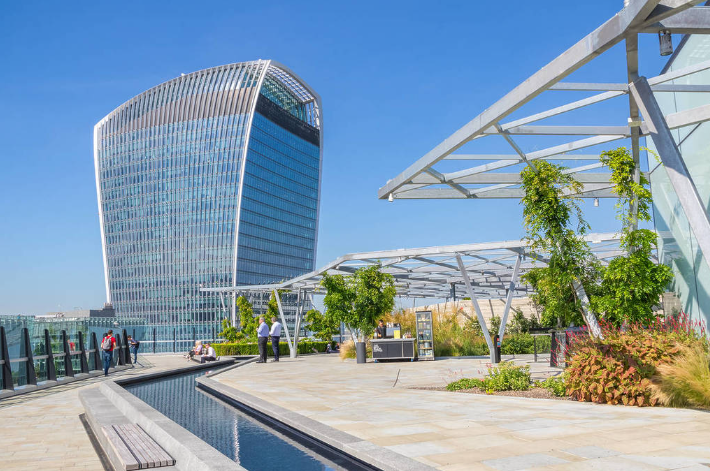
Ascend a combined 475 meters across The Cheesegrater, The Scalpel, and The Walkie Talkie.
Registration: £25 • Fundraising target: £275 for charities such as Action Medical Research.
Date: Saturday, 10 October 2026, finishing with a celebration in the Sky Garden.
2. Walkie Talkie Tower Climb (GOSH Charity)
36 floors
Climb 36 floors and 896 steps of 20 Fenchurch Street.
Fundraising target: £250 to support the new Children’s Cancer Centre at Great Ormond Street Hospital.
3. Tower Run for RNLI
58 floors
Take on 58 floors at 22 Bishopsgate, one of the toughest tower runs in the UK.
Date: Saturday, 24 October 2026 • Supporting the Royal National Lifeboat Institution (RNLI).
How to Get Started
- Register through the event website.
- Set up an online donation page.
- Share your training journey on social media.
- Check whether your employer offers corporate match-funding.
Quick tip: Beginners often enjoy events like Climb the Capital, while experienced endurance athletes may prefer the 58-floor 22 Bishopsgate challenge.
What Is a Stair Climb Event?
A stair climb event is a mass participation challenge where participants walk or run up the stairs of a skyscraper. Some people aim simply to reach the top, while others race against colleagues, friends, or the clock.
In the UK, stair climbing is still relatively undiscovered compared with marathons and charity runs, but that’s changing quickly. The combination of fundraising, fitness, and iconic London buildings has created a unique niche that appeals to both beginners and elite athletes.
The Broadgate Tower Run Up
The original Broadgate Tower event offered several challenge levels:
| Challenge | Distance |
|---|---|
| Single Climb | 35 floors |
| Three Climbs | ¼ vertical mile |
| Twelve Climbs | 420 floors (full vertical mile) |
The 12-climb option was described as the biggest stair climb challenge ever held in the UK, and honestly, I can see why. By the time most people finish one climb, the vertical-mile competitors are just getting started.
How It Compares With Other London Tower Challenges
| Event | Best For |
|---|---|
| Broadgate Tower Run Up | All fitness levels |
| Climb the Capital | Scenic multi-building challenge |
| Walkie Talkie Tower Climb | Charity-focused participants |
| Tower Run for RNLI | Advanced endurance climbers |
If you’re new to stair climbing, I’d start with 35–36 floors before attempting anything close to a vertical mile.
My First Tower Climb Experience
When I tried a smaller tower climb event, I made the classic beginner mistake: starting too fast. The first 10 floors felt easy, so I sprinted. By floor 18, I was negotiating with my lungs like a politician trying to pass a difficult bill.
What surprised me most was that pacing mattered more than speed. The participants who looked strongest were not the fastest at the start — they were the ones who climbed steadily and avoided burning out.
Training Tips for Beginners
1. Practice on Real Stairs
A treadmill incline helps, but nothing replaces actual stair climbing.
2. Build Leg Endurance
Squats, lunges, and step-ups are especially useful.
3. Train Your Grip
Many climbers lightly use handrails for stability during long events.
4. Learn a Sustainable Pace
If you can hold a conversation while climbing, you’re probably at a manageable intensity.
What to Wear
Based on what I’ve seen at these events, the ideal setup is:
- Lightweight running shoes with good grip
- Breathable clothing
- A sweat-wicking top
- A small water bottle if allowed by the event rules
Avoid brand-new shoes on event day. Your calves will already be angry enough.
How Many Calories Can You Burn?
A 35-floor climb can burn roughly 150–300 calories, depending on body weight and pace. A full vertical-mile challenge can easily exceed 1,000 calories.
That makes these events surprisingly effective workouts while also supporting charitable causes.
Fundraising Strategies That Actually Work
Many participants focus only on the physical challenge, but the fundraising side is just as important.
What I’ve seen work well:
- Share weekly training updates
- Post photos from practice climbs
- Explain why you chose the charity
- Ask your employer about match funding
- Create a simple online donation page
One colleague raised more than £1,000 simply by posting a short video after every training session.
The Competitive Side: Towerrunning UK Championship
The Broadgate Tower Run Up also hosted the Towerrunning UK Championship final, where elite athletes raced two legs of the tower.
As Patrick Gallagher of TowerrunningUK described it, the event was intended to be a “tower running extravaganza” open to both charities and competitive climbers.
This dual format is one reason the event attracted such a wide range of participants.
Common Problems and Solutions
| Problem | Solution |
|---|---|
| Leg fatigue | Slow your pace and shorten your stride |
| Breathlessness | Take controlled breaths every few floors |
| Overheating | Wear lighter clothing |
| Fundraising stalls | Share personal stories, not just donation links |
| Fear of heights | Remember most climbing occurs inside enclosed stairwells |
Quick Tips Before Event Day
Save these
- Arrive early and warm up properly.
- Don’t sprint the first few floors.
- Use the handrail lightly if needed.
- Stay hydrated beforehand.
- Take a photo at the top you’ll want proof that you survived.
FAQs
Are London stair climb events suitable for beginners?
Yes. Events such as the Broadgate Tower Run Up offer shorter climb options that are suitable for participants with moderate fitness levels.
How much money can participants raise?
Fundraising totals vary widely. Some participants raise a few hundred pounds, while corporate teams and experienced fundraisers often raise thousands of pounds for charity.
Do I need special equipment?
No. A good pair of running shoes and comfortable athletic clothing are usually sufficient.
What is the hardest London tower run?
The 58-floor climb at 22 Bishopsgate for the RNLI is currently regarded as one of the toughest tower running challenges in the UK.
Conclusion
London stair climb events have evolved far beyond simple fitness challenges. They now combine charity fundraising, corporate team building, endurance sport, and some of the best skyline views in the capital.
Whether you choose the 35-floor Broadgate Tower Run Up, the scenic Climb the Capital, the Walkie Talkie Tower Climb, or the demanding 22 Bishopsgate RNLI challenge, the experience is likely to be memorable.
In my experience, the biggest reward is not the medal at the finish line. It’s the moment you reach the top, look out across London, and realize that every step helped support a meaningful cause.
If you’re considering signing up, start with a challenge that matches your fitness level, train consistently, and enjoy the climb — even if your calves complain about it the next day.