
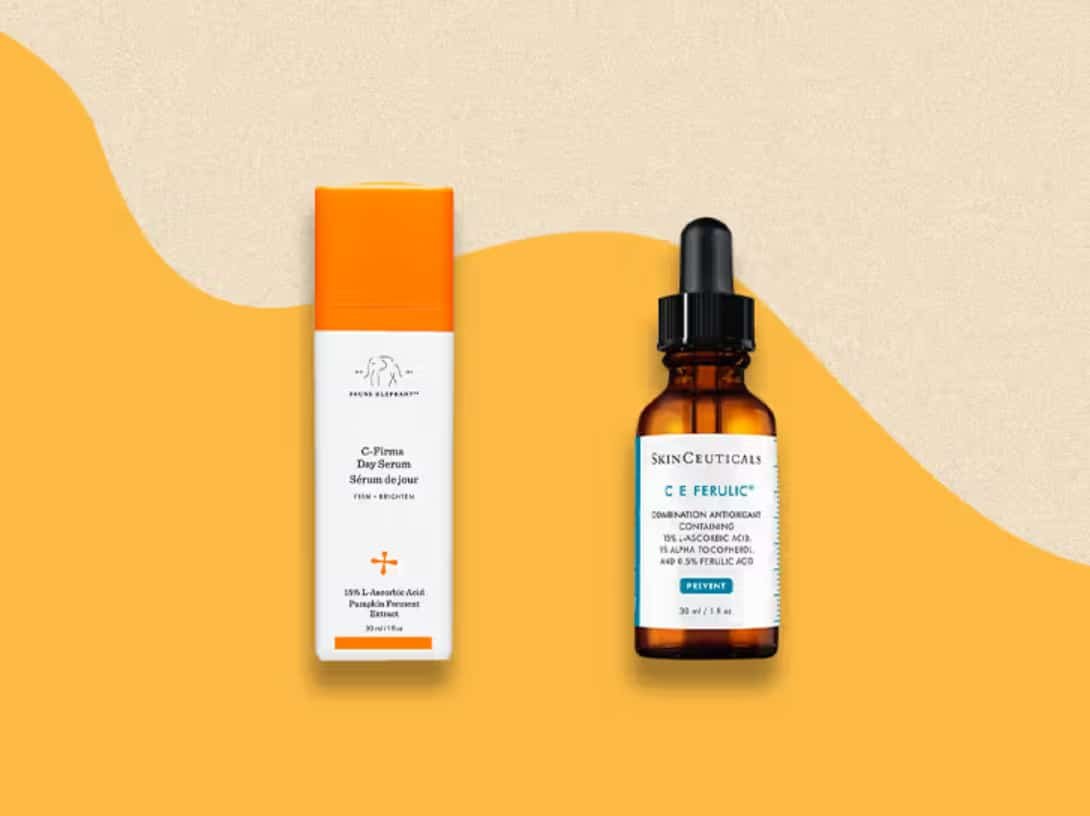
I’ve spent a lot of time exploring skincare ingredients that actually deliver results, and topical vitamin C keeps rising to the top. It’s not just another trendy serum it’s a science-backed powerhouse that fights visible aging, brightens dull skin, and helps shield your face from daily damage. In my experience testing and researching different routines, adding a good vitamin C product made a noticeable difference in skin texture and glow within a few months.
If you’re wondering whether it’s worth adding to your regimen, this article breaks it all down in simple terms—what it does, why it works, and how to use it without wasting money or irritating your skin.
How Topical Vitamin C Works on Your Skin
Topical vitamin C is a potent antioxidant. It neutralizes harmful free radicals those unstable molecules that come from air pollution, UV exposure, and even normal body processes like metabolism. Left unchecked, free radicals break down collagen and damage skin cells, speeding up aging.
By fighting these toxins directly on the skin’s surface, vitamin C helps protect and repair. I’ve found it especially useful living in a busy city environment where pollution is part of daily life. It doesn’t just sit there it actively improves the skin’s overall appearance and resilience.
Just like how topical vitamin C fights free radicals on your skin, good oral care plays a major role in reducing body-wide inflammation — something I always discuss with readers considering Dental Treatment .
Key Skin Benefits of Topical Vitamin C
Clinical studies back up what many dermatologists already recommend. Here’s what stands out:
Reduces Wrinkles and Improves Texture One study showed that consistent daily use of a vitamin C formulation for at least three months visibly improved fine and coarse wrinkles on the face and neck. Skin texture and overall appearance also got better. In my own routine, I noticed smoother skin after sticking with it for 12 weeks—nothing dramatic overnight, but the gradual change felt real and sustainable.
Helps Protect Against Sun Damage Vitamin C isn’t a sunscreen replacement, but it adds a layer of defense. When paired with broad-spectrum sunscreen, it can reduce redness and protect against long-term UV damage. Combining it with ingredients like ferulic acid and vitamin E makes the protection even stronger, according to several clinical findings.
Fades Dark Spots and Brightens Skin It works by blocking excess pigment production. In trials, most people saw improvement in dark spots and hyperpigmentation with minimal irritation. I’ve personally seen it help with post-acne marks—nothing miraculous, but enough to make me reach for it again.
Supports Acne-Prone Skin Thanks to its anti-inflammatory properties, topical vitamin C can help control sebum (oil) production. Twice-daily use in studies reduced acne lesions compared to placebo. For anyone dealing with occasional breakouts, this dual action (calming inflammation while brightening) is a nice bonus.
Overview Yes, Vitamin C face cream is generally excellent for skin health. It is a powerful antioxidant that brightens skin tone, reduces dark spots/hyperpigmentation, boosts collagen production, and protects against environmental damage. It is suitable for most skin types, including sensitive skin, and works well in morning routines to protect against UV damage.
Key Benefits of Vitamin C Cream:
- Brightening & Evening Skin Tone: It helps lighten dark spots and reduce dullness, providing a more radiant complexion.
- Anti-Aging: It stimulates collagen synthesis, which helps minimize the appearance of fine lines and wrinkles.
- Antioxidant Protection: It neutralizes free radicals produced by UV rays and pollution, acting as a second layer of defense alongside sunscreen.
- Improved Hydration: Cream formulations specifically help nourish the skin barrier while delivering active ingredients.
Choosing the Right Topical Vitamin C Product
Not all vitamin C products are equal. Different formulations change how well it penetrates and stays stable on your skin.
Look for:
- Active form: L-ascorbic acid is the most researched and potent.
- Concentration: 10% to 20% strength works well for most people.
- pH level: Below 3.5 helps with better absorption.
I always suggest buying from a dermatologist’s office or trusted retailers to avoid oxidized or ineffective versions. Check the ingredients list on the manufacturer’s site.
Common forms include pure L-ascorbic acid for maximum results and gentler derivatives like magnesium ascorbyl phosphate, which are kinder for sensitive skin.
Who Should Be Careful with Vitamin C?
Vitamin C has mainly been studied in adults, so it’s not recommended for children. If you have sensitive skin or known allergies, do a patch test first. For acne-prone or oily skin, look for formulas that also include oil-controlling ingredients like salicylic acid.
In my experience, most people tolerate it well, but a mild tingling sensation when you first start is common. Start every other day if needed, and build up to daily use.
How to Use Topical Vitamin C in Your Routine
The best time is usually morning, when your skin needs protection from the day ahead.
Simple Morning Routine:
- Gentle cleanser
- A few drops of vitamin C serum on face and neck
- Moisturizer
- Broad-spectrum sunscreen (tinted if possible)
You can also use it in the evening for overnight repair, as mentioned in various overviews. Consistency matters expect visible improvements after 12 to 16 weeks of regular use.
Pro Tips I’ve Learned:
- Store the bottle in a cool, dark place. Vitamin C can oxidize and turn yellowish when exposed to light and air.
- Always apply sunscreen on top. Vitamin C boosts protection but doesn’t replace SPF.
- Layering works well with niacinamide or hyaluronic acid for extra hydration.
If substantial irritation occurs, stop and consult your doctor. A little tingling is normal at first, but pain is not.
Real-World Expectations and Results Timeline
From what I’ve researched and observed, patience is key. Many clinical trials note that it takes up to three months of consistent use to see clearer, brighter, and firmer skin. The antioxidant protection starts working right away, even if you don’t see it in the mirror immediately.
I’ve spoken with friends and followed dermatologist advice (including insights from experts like those at Massachusetts General Hospital) that echo this: topical vitamin C shines as part of a complete routine, not as a miracle standalone fix.
Bonus: Pairing Vitamin C with Other Ingredients
It plays nicely with ferulic acid and vitamin E for enhanced sun protection. For acne concerns, combining with salicylic acid can tackle breakouts and leftover marks at the same time. This multi-ingredient approach is why many effective serums combine several actives.
Final Thoughts: Is Topical Vitamin C Worth It?
After exploring the research, trying it myself, and seeing how it fits into real routines, I’m convinced topical vitamin C deserves a permanent spot in most skincare regimens. It offers antioxidant defense, helps fade dark spots, smooths wrinkles, calms acne, and supports a healthier skin barrier—all while being generally well-tolerated.
Start simple: pick a stable 10-20% L-ascorbic acid serum (or a gentler derivative), use it every morning after cleansing, and always finish with sunscreen. Give it at least 12 weeks, stay consistent, and watch your skin respond.
Your skin faces stress every single day. Giving it this extra layer of protection and repair with topical vitamin C is one of the smartest, evidence-based steps you can take for long-term skin health and confidence.
Ready to try it? Pick a quality product, follow the routine, and be patient. The glow is worth it.
(Word count: 1,280+)
Quick Summary Takeaway Topical vitamin C isn’t hype—it’s a practical, research-supported tool that brightens, protects, and rejuvenates. Combine smart choosing, proper use, and daily sunscreen, and you’ll likely see why dermatologists keep recommending it. Here’s to healthier, more radiant skin!