SEO can feel overwhelming when you first start.
I still remember opening my first analytics dashboard and wondering why nobody was visiting the website I had spent weeks building. The design looked great, the content felt useful, but the traffic? Almost nonexistent.
That’s when I realized something important: creating a website is only half the job. The other half is making sure people can actually find it.
That’s where SEO comes in.
Search Engine Optimization, commonly called SEO, is one of the most important digital marketing skills today. Whether you run a small business, a blog, an online store, or a personal brand, SEO helps you appear in front of people actively searching for what you offer.
And the best part?
Unlike paid ads, SEO can continue bringing traffic long after your content is published.
In this beginner-friendly guide, I’ll walk you through how SEO works, why it matters, and the exact foundational strategies you can start using today.
What Is SEO?
SEO stands for Search Engine Optimization.
In simple terms, it’s the process of improving your website so it ranks higher in unpaid or “organic” search results on search engines like Google.
Think of search engines as giant digital librarians.
They constantly scan the internet to organize information and show users the most relevant answers possible.
SEO helps your website become one of those recommended answers.
The higher your pages rank on search engine results pages (SERPs), the more visibility and traffic you can earn.
And trust me, ranking higher matters a lot.
Most users rarely click beyond the first page of search results.
Read More: How can I easily redact a PDF at home?
How Search Engines Actually Work
Before diving into SEO strategies, it helps to understand what happens behind the scenes.
Search engines generally follow three major steps:
1. Crawling
Search engines use bots, sometimes called spiders or crawlers, to scan websites across the internet.
These bots:
- Read your pages
- Follow links
- Discover new content
- Analyze your website structure
If your website is difficult to navigate, crawlers may struggle to understand it.
2. Indexing
After crawling your content, search engines store the information in a massive database called an index.
This is essentially a giant library of webpages.
If your pages are not indexed properly, they won’t appear in search results.
3. Ranking
When someone searches for something, search engines analyze their index and rank pages based on hundreds of factors.
Some ranking factors include:
- Content quality
- Page speed
- Mobile usability
- Backlinks
- Search intent
- Website authority
In my experience, beginners often focus only on keywords while ignoring user experience and credibility. Modern SEO requires a balance of all three.
Why SEO Matters More Than Ever
SEO is no longer optional.
People use search engines for almost everything:
- Finding local businesses
- Comparing products
- Learning skills
- Reading reviews
- Solving problems
If your website doesn’t appear in search results, your competitors probably will.
One major reason businesses invest heavily in SEO is because organic traffic is sustainable.
Unlike paid ads, you don’t pay for every click.
Once your pages rank well, they can continue generating visitors for months or even years.
I’ve personally seen small websites outperform larger brands simply because their SEO strategy was stronger and more consistent.
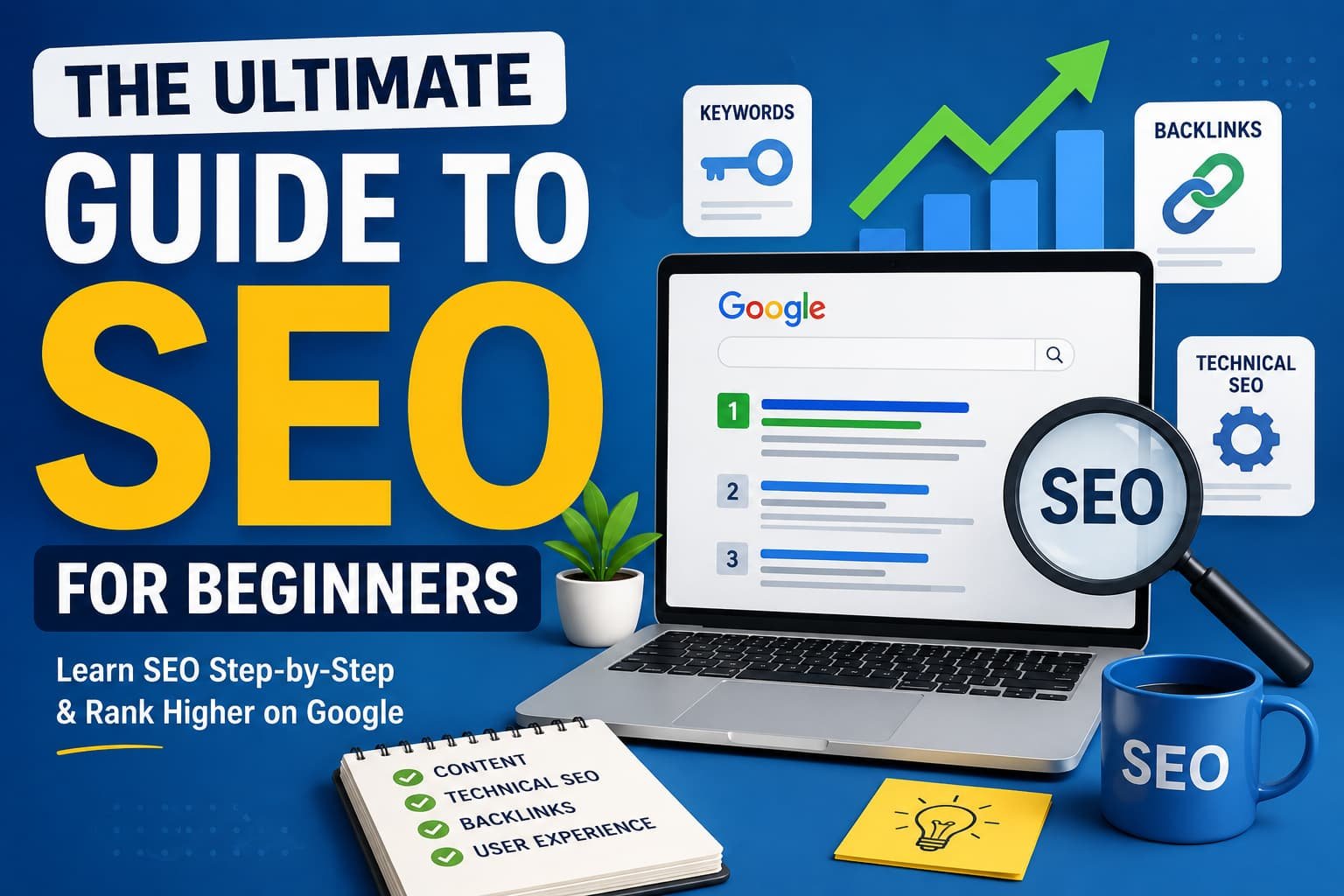
The 3 Main Pillars of SEO
One of the easiest ways to understand SEO is by breaking it into three core areas:
- Content
- Technical SEO (Code)
- Credibility (Off-Page SEO)
Let’s simplify each one.
1. Content: The Foundation of SEO
Content is the heart of SEO.
Search engines want to show users the most useful and relevant information possible.
That means your content should genuinely help people.
Understanding Keywords
Keywords are the phrases people type into search engines.
Examples:
- “best running shoes”
- “how to start a blog”
- “SEO tips for beginners”
Good SEO content naturally includes these search terms.
However, stuffing keywords everywhere is one of the biggest beginner mistakes.
Instead:
- Write naturally
- Focus on clarity
- Use related terms and synonyms
- Answer real user questions
Understanding Search Intent
Search intent is the reason behind a search.
A user searching “buy gaming laptop” has a completely different intent than someone searching “how gaming laptops work.”
Your content should match the user’s goal.
Here are the four main types of search intent:
- Informational
- Navigational
- Commercial
- Transactional
Understanding this changed the way I write content completely.
Instead of chasing keywords blindly, I started creating pages that solved specific problems.
That’s when rankings improved.
Create Helpful, Human Content
Modern SEO is heavily influenced by Google’s E-E-A-T principles:
- Experience
- Expertise
- Authoritativeness
- Trustworthiness
This means generic AI-style filler content usually struggles long-term.
Instead:
- Share real insights
- Use examples
- Explain concepts clearly
- Add practical tips
- Write for humans first
2. Technical SEO: Helping Search Engines Understand Your Site
Technical SEO sounds intimidating, but beginners only need to focus on a few essentials initially.
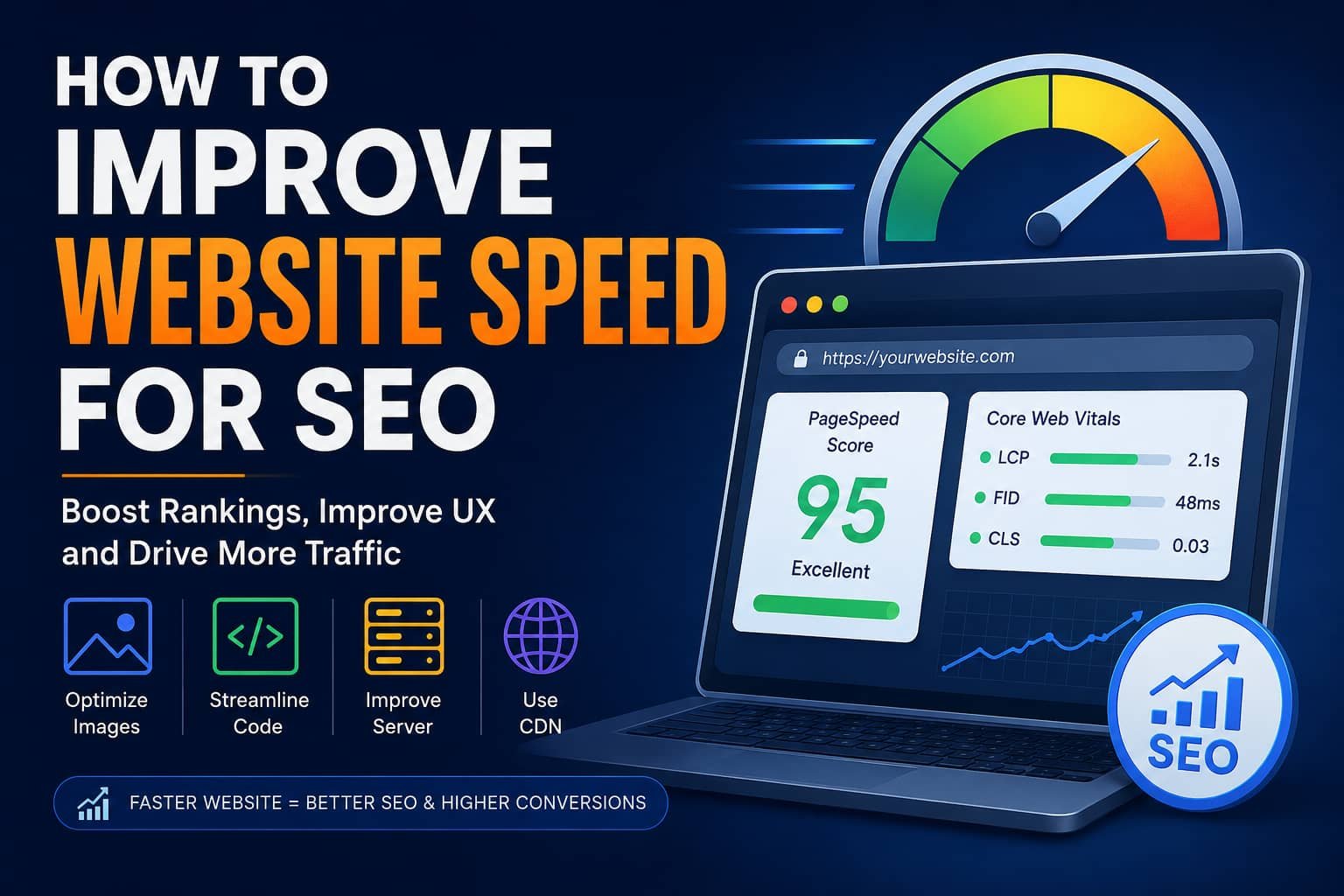
Improve Site Speed
People hate slow websites.
Search engines do too.
A slow-loading page can:
- Increase bounce rates
- Hurt rankings
- Reduce conversions
Simple ways to improve speed:
- Compress images
- Use fast hosting
- Enable caching
- Reduce unnecessary plugins
In my experience, improving page speed often creates noticeable ranking improvements surprisingly fast.
Make Your Website Mobile-Friendly
Most searches now happen on mobile devices.
That’s why Google uses mobile-first indexing.
Your website should:
- Load well on phones
- Have readable text
- Use responsive design
- Avoid cluttered layouts
A poor mobile experience can seriously damage rankings.
Use Proper Site Structure
Good website organization helps both users and search engines.
Best practices include:
- Clear navigation menus
- Organized categories
- Proper heading structure (H1, H2, H3)
- Internal linking between related pages
Think of your website like a library.
If books are scattered randomly everywhere, nobody can find anything.
3. Credibility: Building Trust Through Off-Page SEO
Even if your content is excellent, search engines still need proof your website is trustworthy.
That’s where backlinks come in.
What Are Backlinks?
Backlinks are links from other websites pointing to your pages.
They act like digital recommendations.
When trusted websites link to you, search engines see that as a positive signal.
However, quality matters far more than quantity.
One strong backlink from a respected website is usually better than hundreds of low-quality links.
Safe Ways Beginners Can Build Backlinks
Here are practical beginner-friendly methods:
- Write guest posts
- Create useful guides
- Publish original research
- Share expert insights
- Network within your industry
- Build shareable resources
Avoid spammy tactics or buying backlinks.
Many older SEO shortcuts stopped working after major algorithm updates like Panda and Helpful Content updates.
Common SEO Mistakes Beginners Make
I’ve made many of these mistakes personally when learning SEO.
Here are the biggest ones to avoid:
Keyword Stuffing
Repeating keywords unnaturally hurts readability and rankings.
Ignoring Search Intent
Ranking means nothing if your content doesn’t solve the visitor’s problem.
Publishing Thin Content
Short, shallow articles rarely compete today.
Depth matters.
Forgetting Technical SEO
Even great content struggles on slow or broken websites.
Neglecting Updates
SEO is not a “set it and forget it” strategy.
Search trends, algorithms, and competitors constantly change.
Beginner SEO Checklist
If you’re just starting, focus on these basics first:
Content
- Research keywords
- Write useful articles
- Match search intent
- Use headings properly
Technical SEO
- Improve page speed
- Make website mobile-friendly
- Fix broken links
- Create clean URLs
Off-Page SEO
- Build quality backlinks
- Improve online credibility
- Share content consistently
User Experience
- Easy navigation
- Clear design
- Fast loading pages
- Helpful content structure
You don’t need to master everything immediately.
Consistency matters more than perfection.
SEO Tools Beginners Should Know
Several tools can make SEO much easier.
Popular beginner-friendly tools include:
- Google Search Console
- Google Analytics
- Ahrefs
- SEMrush
- Moz
- marketgoo
These tools help with:
- Keyword research
- Technical audits
- Performance tracking
- Backlink analysis
- Site health monitoring
Even free versions can provide valuable insights.
My Biggest SEO Lesson
If there’s one thing I’ve learned from working on websites, it’s this:
SEO is not about tricking search engines.
It’s about helping users better than your competitors do.
The websites that consistently rank well are usually the ones that:
- Solve problems clearly
- Provide trustworthy information
- Offer good user experiences
- Stay updated regularly
SEO rewards patience.
Some pages rank quickly, while others take months to gain traction.
But once momentum builds, the results can be incredibly powerful.
Final Thoughts
SEO may seem complex at first, but the fundamentals are surprisingly straightforward.
Create useful content.
Make your website easy to use.
Build credibility over time.
That’s the core formula.
You don’t need to become an SEO expert overnight to see results. Start with the basics, stay consistent, and focus on helping your audience genuinely.
In my experience, small improvements made consistently often outperform flashy shortcuts.
The best time to start improving your SEO was yesterday.
The second-best time is today.