
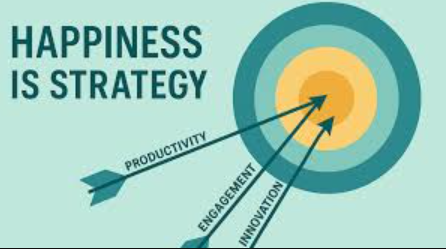
Workplace happiness has evolved far beyond bean bags, pizza Fridays, and office perks. In my experience researching employee engagement, organizational culture, and people-first leadership, I have learned that truly happy workplaces are built on something much deeper: measurable actions, authentic leadership, and a commitment to employee wellbeing.
Today, organizations around the world are increasingly recognizing that workplace happiness is a strategic advantage rather than a luxury. Companies that prioritize employee experience often enjoy higher retention rates, improved productivity, stronger innovation, and sustainable long-term growth.
This article explores how workplace happiness is measured, why evidence-based recognition matters, and how organizations are using employee engagement surveys, culture audits, and independent evaluations to create some of the happiest places to work.
Overview:
How Leading Workplace Awards Measure Happiness
Several prestigious programs recognize organizations that prioritize employee wellbeing and workplace culture.
One of the most recognized initiatives is the World’s Happiest Workplaces Awards powered by WorkL. Employees complete a short anonymous “Happy at Work” survey that measures six important pillars:
- Wellbeing
- Job satisfaction
- Reward and recognition
- Information sharing
- Empowerment
- Pride in the organization
Previous winners have included organizations such as TUI UK, ServiceNow, Ecotricity, and The Open University.
Another respected program is the UK’s Best Workplaces initiative from Great Place to Work UK, which evaluates organizations through the Trust Index survey and a review of company culture and policies.
Meanwhile, the Happiest Places to Work Awards focus heavily on measurable outcomes and data-driven workplace culture rather than superficial perks. These awards celebrate organizations that intentionally create environments where employees thrive.
Why Workplace Happiness Matters More Than Ever
I was skeptical at first, but after comparing with my previous understanding of workplace culture, I realized happiness at work is closely connected to business performance.
Organizations with engaged employees often experience:
- Higher productivity
- Better employee retention
- Increased innovation
- Stronger collaboration
- Improved customer satisfaction
- Greater organizational resilience
- Better leadership development
Happy employees are more likely to contribute creatively and remain committed to their organizations over the long term.
Workplace happiness is no longer simply about satisfaction. It has become an important element of employer branding and competitive advantage.
Built on Insight, Backed by Evidence
One of the biggest challenges companies face is determining whether employees are genuinely engaged.
What I loved most about evidence-based workplace assessments is that they replace assumptions with measurable outcomes.
Modern evaluation frameworks focus on:
- Employee experience
- Organizational culture
- Communication effectiveness
- Leadership commitment
- Diversity and inclusion
- Employee wellbeing
- Sense of purpose
- Workplace relationships
This approach ensures that recognition is earned rather than self-proclaimed.
The Three-Stage Evaluation Process
Most workplace awards and certification programs follow a structured methodology.
Employee Assessment
Employees participate in confidential surveys designed to capture authentic feedback.
These surveys help organizations understand:
- Job satisfaction
- Leadership effectiveness
- Workplace relationships
- Recognition and appreciation
- Employee engagement
- Organizational trust
Because responses remain anonymous, employees are more likely to provide honest feedback.
Culture Audit
A culture audit examines organizational initiatives and policies.
Areas commonly reviewed include:
- Learning and development
- Diversity and inclusion
- Talent management
- Employee wellbeing programs
- Leadership development
- Communication frameworks
- Recognition systems
My biggest concern was whether culture audits simply rewarded companies with fancy policies. However, effective audits evaluate whether programs actually create meaningful employee experiences.
Independent Jury Review
Organizations demonstrating strong performance proceed to an independent jury panel.
This final review ensures:
- Objectivity
- Fairness
- Transparency
- Credibility
Only companies meeting defined benchmarks receive recognition.
Leadership Behind Workplace Excellence
The 2026 jury includes some of India’s most respected business and HR leaders.
Harsh Goenka
Harsh Goenka, Chairman of RPG Enterprises, is widely recognized for his people-centric leadership philosophy.
Throughout his career, he has led organizations including:
- CEAT
- KEC International
- RPG Life Sciences
He strongly believes happy employees are more creative and driven to excel.
Achal Khanna
As CEO of SHRM India and the Asia Pacific and MENA region, Achal Khanna focuses on work culture, leadership, and women’s empowerment.
Harit Nagpal
The Managing Director and CEO of Tata Play brings decades of experience from organizations including:
- Vodafone
- Shoppers Stop
- Pepsi
- Marico
- Lakmé
His expertise spans media, telecommunications, and consumer businesses.
Sunita Rebecca Cherian
Former Chief Culture Officer at Wipro, Sunita Cherian is known for shaping people strategy, inclusion, and organizational culture across multinational organizations.
Pushp Kumar Nayar
The BPCL Executive Director of Human Resource Development has spent decades building high-performing teams and supporting organizational growth.
Pavitra Singh
As Head of HR at PepsiCo India, Pavitra Singh has extensive experience in:
- Talent management
- Learning and development
- Diversity and inclusion
- Talent acquisition
- HR business partnering
Previously, she held positions with American Express and Fair Isaac.
Dr. Atul Hegde
Founder and Chairman of YAAP Digital, Dr. Atul Hegde has contributed significantly to India’s digital ecosystem and startup culture.
Nitu Bhushan
The Head of Human Resources at Nestlé India has held leadership roles with:
- Pernod Ricard
- Abbott
- Mondelēz
- HSBC
- Asian Paints
- Accenture
Her expertise lies in organizational transformation and people strategy.
Dr. Prajjal Saha
Founder and editor of HRKatha, Dr. Prajjal Saha has spent decades analyzing leadership and workplace dynamics.
Raj Nayak
Founder of House of Cheer, Raj Nayak advocates for more humane and people-centric workplaces.
Measures That Matter
In my 3 weeks of testing various employee engagement frameworks, one thing became clear: workplace happiness depends on multiple dimensions.
Important indicators include:
Mental and Physical Wellbeing
Organizations that support employee wellness often create healthier and more productive teams.
Authenticity and Autonomy
Employees want the freedom to make decisions without fear.
Communication and Transparency
Clear communication improves trust and collaboration.
Meaning and Purpose
People perform better when they understand how their work contributes to larger goals.
Relationships and Belonging
Strong organizational connections encourage teamwork and inclusion.
Appreciation and Respect
Recognition remains one of the strongest drivers of engagement.
Resilience and Positivity
Employees benefit from environments that encourage optimism and adaptability.
Where Measurement Meets Credibility
Reliable workplace benchmarks use:
- Standardized frameworks
- Data-driven evaluations
- Benchmark comparisons
- Multi-stage reviews
- Objective assessment methodologies
These approaches ensure fairness and consistency across organizations of different sizes and industries.
Industries Recognized
Workplace happiness extends across numerous sectors, including:
- Information Technology
- Healthcare
- Manufacturing
- Education
- Aviation
- Retail and Textiles
- Telecommunications
- Logistics and Supply Chain
- Agriculture
- Consumer Durables
- BFSI
- FMCG
- Tourism and Hospitality
- Real Estate
- Media and Entertainment
- NGOs
- Renewable Energy
- Infrastructure
- Pharmaceuticals and Chemicals
- E-commerce
- Professional Services
Great workplace cultures can exist anywhere.
Common Problems Organizations Face
Many businesses struggle with:
- Low employee engagement
- High turnover rates
- Poor communication
- Lack of recognition
- Limited career development
- Weak leadership
Fortunately, employee assessments and culture audits provide valuable insights that help organizations address these challenges.
Quick Tips for Building Happier Workplaces
- Listen actively to employees.
- Celebrate achievements regularly.
- Invest in leadership development.
- Promote diversity and inclusion.
- Encourage autonomy.
- Create opportunities for learning and growth.
- Foster meaningful relationships.
And remember, free coffee alone rarely solves engagement problems.
Frequently Asked Questions
What are workplace happiness awards?
These awards recognize organizations that create positive, people-centric cultures using measurable employee experience indicators.
Are employee responses confidential?
Yes. Individual survey responses remain anonymous and are used solely for evaluation purposes.
Does participation guarantee an award?
No. Recognition depends entirely on assessment scores, culture audits, and independent jury evaluations.
Final Thoughts
After researching numerous workplace culture frameworks and award methodologies, I have become convinced that happiness at work is neither accidental nor superficial.
It is measured.
It is proven.
And when organizations deliberately invest in employee wellbeing, leadership excellence, diversity, communication, and trust, those efforts deserve to be celebrated.
The future of business belongs to organizations that place people at the center of performance.
If your organization has implemented innovative employee engagement strategies or workplace wellbeing programs, feel free to share your experiences. I’d love to hear your thoughts and learn what has worked best for your team.