Have you ever stood in front of a closet full of clothes and thought, “I have nothing to wear”?
I’ve been there.
A few years ago, my wardrobe felt like a random collection of trends, impulse purchases, and clothes I thought I should wear rather than clothes I genuinely loved. Some outfits made me feel confident, while others made me feel like I was wearing a costume.
That’s when I started researching personal style, fashion psychology, wardrobe building, and styling techniques. What I discovered surprised me: developing a signature personal style isn’t about following trends or spending thousands on designer brands. It’s about understanding yourself and creating a consistent visual identity that feels authentic.
In this guide, I’ll share everything I’ve learned about developing a signature personal style, including practical steps, common mistakes, expert insights, and real-world examples that can help you create a wardrobe you genuinely love.
What Is a Signature Personal Style?
A signature personal style is the unique way you consistently express yourself through clothing, accessories, grooming, and overall appearance.
Think about people whose style you instantly recognize.
Some people are known for minimalist fashion. Others embrace classic tailoring, streetwear, bohemian aesthetics, or timeless elegance.
Your signature style becomes your visual calling card.
It’s not about wearing the exact same outfit every day. Instead, it’s about creating consistency in how you present yourself.
Read More: The Benefits, Myths and 20 Fruit Water Recipes
Why Personal Style Matters
Your style influences:
- First impressions
- Confidence levels
- Professional image
- Personal branding
- Shopping decisions
- Daily outfit choices
Research in fashion psychology suggests that clothing can influence mood, confidence, and even performance. This concept is often referred to as “enclothed cognition.”
Simply put, what you wear can affect how you feel.
Why Most People Struggle to Find Their Style
One of the biggest challenges today is information overload.
Social media platforms constantly expose us to:
- Fashion influencers
- Celebrity styles
- Seasonal trends
- Viral aesthetics
- Shopping recommendations
The result?
Many people end up copying everyone else instead of discovering what truly works for them.
I was skeptical at first, but once I stopped chasing every trend and started focusing on my preferences, getting dressed became significantly easier.
Common Personal Style Mistakes
Many people:
- Buy trendy items they rarely wear
- Shop without a plan
- Ignore their lifestyle needs
- Copy influencers without considering body type
- Prioritize trends over comfort
Developing a signature style helps eliminate these problems.
Start by Understanding Yourself
Before buying anything new, take time to understand your personal preferences.
Analyze Your Lifestyle
Ask yourself:
- Do you work in an office?
- Are you frequently attending events?
- Do you travel often?
- Is comfort a top priority?
Your wardrobe should support your actual life.
For example, someone working remotely may need fewer formal pieces and more elevated casual wear.
Identify Your Style Goals
Think about how you want people to describe your appearance.
Words might include:
- Sophisticated
- Creative
- Professional
- Relaxed
- Minimalist
- Elegant
- Modern
These words become your style compass.
Build a Style Inspiration Library
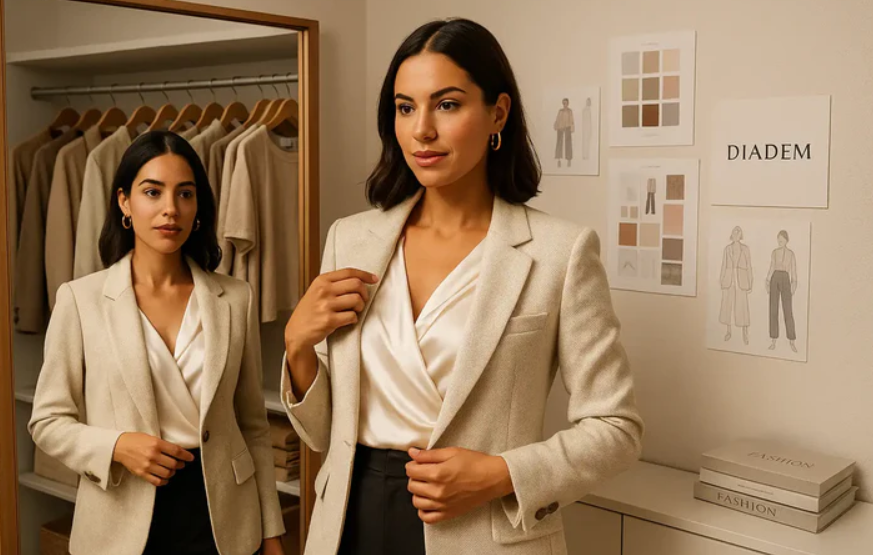
One of the most useful exercises I found was creating a visual inspiration board.
Use Pinterest and Fashion Apps
Platforms like:
- Lookbook
- Vogue Runway
can help you collect outfit ideas.
Save looks that consistently catch your attention.
After a few weeks, patterns usually emerge.
In my 3 weeks of testing different style boards, I noticed I repeatedly saved outfits featuring neutral colors, structured jackets, and simple accessories.
That realization became the foundation of my personal style.
Discover Your Signature Colors
Color plays a huge role in personal style.
Some people naturally gravitate toward vibrant colors.
Others prefer muted tones.
Build a Core Color Palette
A practical wardrobe often includes:
- Neutral foundation colors
- Accent colors
- Seasonal variations
Common neutral colors include:
- Black
- Navy
- White
- Gray
- Beige
Having a consistent color palette makes mixing and matching much easier.
My biggest concern was creating a wardrobe that looked cohesive, but this simple strategy solved it almost immediately.
Find Clothing That Fits Properly
You can wear expensive designer clothing, but poor fit can still make an outfit look awkward.
Fit is often more important than brand.
Prioritize Tailoring
Simple alterations can dramatically improve:
- Blazers
- Trousers
- Dresses
- Shirts
- Jeans
Many fashion experts agree that tailoring provides one of the highest returns on investment in style.
Focus on Body Proportions
Understanding your proportions helps you choose silhouettes that complement your frame.
The goal isn’t perfection.
The goal is balance and confidence.
Create a Personal Style Uniform
One of the most effective style-building techniques is creating a personal uniform.
No, this doesn’t mean dressing identically every day.
Instead, it means identifying outfit formulas that consistently work.
Examples of Style Uniforms
You might love:
- White shirt + dark jeans + loafers
- Blazer + T-shirt + tailored trousers
- Knit sweater + midi skirt + boots
When you find combinations that make you feel great, repeat them.
Many successful entrepreneurs and creatives use this strategy to simplify decision-making.
Invest in Quality Basics
Fashion trends come and go.
Quality basics stay relevant.
Essential Wardrobe Foundations
Consider investing in:
- Well-fitting jeans
- White shirts
- Neutral knitwear
- Tailored blazer
- Comfortable shoes
- Classic outerwear
Brands known for quality basics often include:
- Uniqlo
- Everlane
- COS
- J.Crew
- Banana Republic
What I loved most about this approach was how much easier shopping became.
Instead of buying random pieces, I focused on filling specific wardrobe gaps.
Develop Your Signature Accessories
Accessories often define personal style more than clothing.
Think about people known for:
- Statement watches
- Layered jewelry
- Scarves
- Sunglasses
- Handbags
- Hats
Small details create memorable style.
Less Can Be More
Many stylish people use just one or two signature accessories consistently.
This creates recognition without feeling overdone.
Learn the Difference Between Trends and Style
Fashion trends are temporary.
Personal style is lasting.
Ask These Questions Before Buying
- Would I wear this next year?
- Does it match my wardrobe?
- Does it reflect my personality?
- Can I style it multiple ways?
If the answer is mostly yes, it’s probably a worthwhile purchase.
After comparing with my previous wardrobe, I realized nearly half of my impulse purchases were trend-driven items I rarely wore.
That discovery changed how I shop forever.
Confidence Is the Ultimate Style Element
The truth is, style isn’t just about clothing.
It’s also about how you wear it.
The most fashionable outfit in the world won’t have the same impact if you feel uncomfortable wearing it.
Wear What Feels Authentic
Your style should:
- Reflect your personality
- Fit your lifestyle
- Support your goals
- Make you feel comfortable
People often notice confidence before they notice specific clothing details.
Common Challenges When Developing Personal Style
“I Don’t Know Where to Start”
Start by saving outfit inspiration and identifying recurring themes.
“My Style Keeps Changing”
That’s normal.
Personal style evolves as your life changes.
Focus on consistency rather than perfection.
“I Have a Limited Budget”
You don’t need a massive budget.
Building a thoughtful wardrobe over time is often more effective than making large shopping sprees.
“I Follow Trends Too Much”
Try a 24-hour rule before purchasing trendy items.
If you still love it after a day, consider adding it to your wardrobe.
Quick Tips for Developing a Signature Personal Style
- Build a Pinterest inspiration board.
- Focus on fit before brand names.
- Develop a consistent color palette.
- Invest in wardrobe basics.
- Avoid impulse purchases.
- Prioritize comfort and confidence.
- Create go-to outfit formulas.
- Use accessories strategically.
- Shop with intention.
- Let your style evolve naturally.
Frequently Asked Questions
How long does it take to develop a signature personal style?
Most people begin noticing clarity within a few weeks or months of intentionally analyzing their wardrobe, preferences, and lifestyle. Personal style continues evolving over time.
Can I have multiple personal styles?
Yes. Many people blend influences such as minimalist, classic, casual, and creative fashion while maintaining an overall cohesive identity.
Do I need expensive clothes to have great style?
Not at all. Fit, coordination, confidence, and thoughtful wardrobe choices matter far more than price tags.
Final Thoughts
Developing your signature personal style is one of the most rewarding investments you can make in yourself.
It’s not about chasing every trend, buying expensive designer labels, or impressing strangers online. It’s about creating a wardrobe that feels authentic, functional, and uniquely yours.
In my experience, the journey becomes much easier once you stop asking, “What’s fashionable?” and start asking, “What feels like me?”
The answer may take time to uncover, but it’s worth the effort.
Your signature style should simplify your life, boost your confidence, and help you present the best version of yourself every day.
I’d love to hear about your own style journey. What helped you discover your personal style? Share your experiences, challenges, or favorite fashion tips in the comments below.