
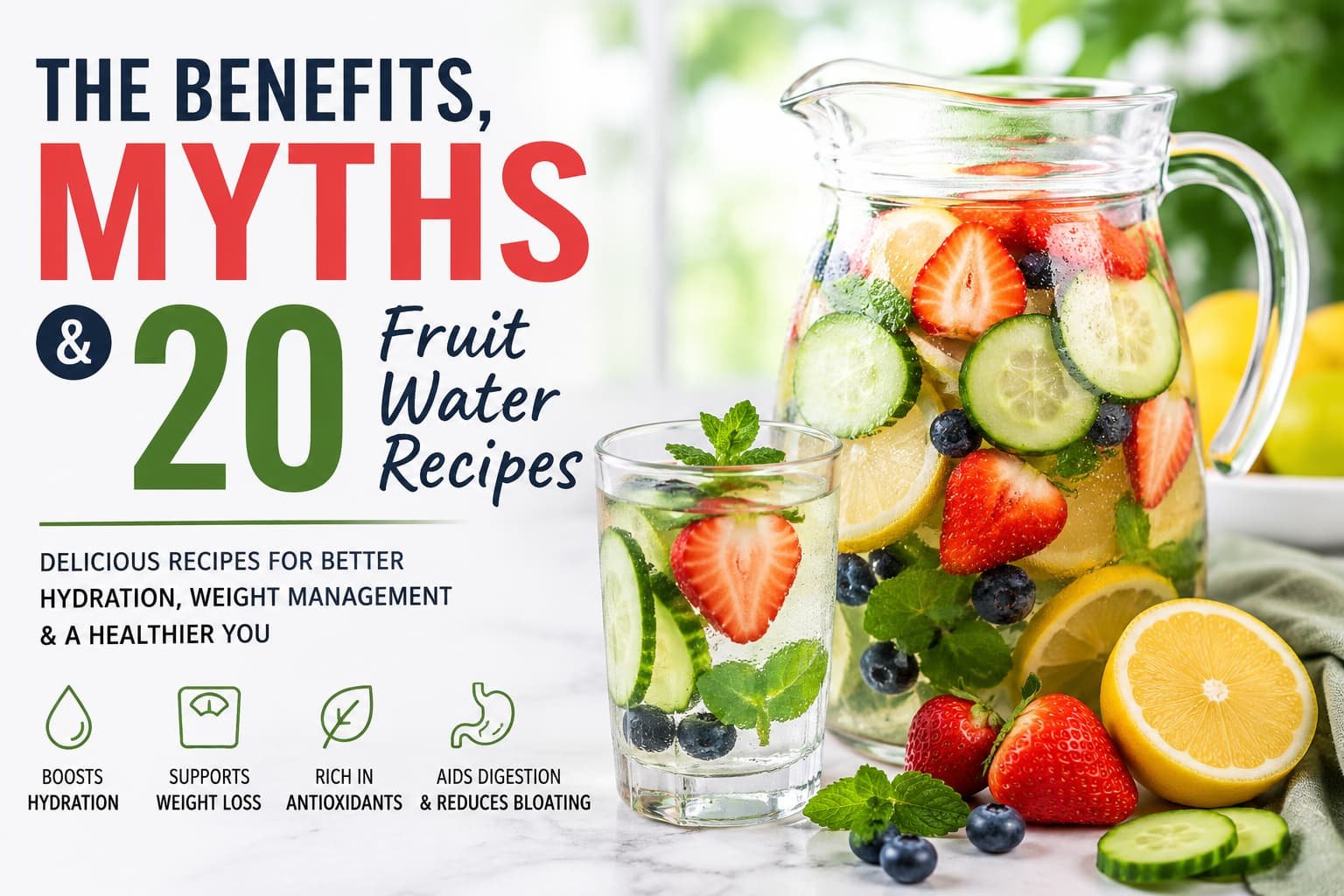
There’s a reason fruit-infused water has become one of the biggest wellness trends in recent years. Scroll through social media, walk into a spa, or browse healthy lifestyle blogs, and you’ll see colorful pitchers packed with cucumber slices, berries, lemons, mint leaves, and tropical fruits floating in crystal-clear water.
At first glance, it almost looks magical.
Some people claim fruit water can detoxify your body, melt away fat, improve your skin overnight, boost metabolism, and completely transform your health. Others dismiss it as nothing more than flavored water with fancy marketing.
After testing dozens of infused water combinations myself and researching what nutrition experts actually say, I discovered the truth lies somewhere in the middle.
Fruit-infused water is not a miracle cure. But it is one of the easiest and healthiest ways to improve daily hydration, reduce sugar intake, and make drinking water far more enjoyable.
In my experience, the biggest benefit is simple: when water tastes refreshing, you naturally drink more of it.
And that alone can positively affect energy levels, digestion, skin appearance, and overall wellness.
Let’s separate the myths from the facts and explore the real benefits of fruit-infused water — along with 20 delicious recipes you can start making today.
What Is Fruit-Infused Water?
Fruit-infused water, sometimes called detox water or spa water, is plain water that has been flavored naturally by soaking fresh fruits, vegetables, and herbs.
Unlike smoothies or juices, infused water does not blend the ingredients. Instead, the flavors slowly seep into the water over several hours.
Popular ingredients include:
- Lemon
- Lime
- Cucumber
- Strawberries
- Blueberries
- Pineapple
- Mint
- Basil
- Ginger
- Kiwi
- Grapefruit
- Raspberries
The result is a refreshing, low-calorie drink without artificial sweeteners, dyes, or added sugar.
One thing I personally love about infused water is how customizable it is. Some days I prefer citrus flavors for a refreshing kick, while other days I lean toward berry and mint combinations that feel lighter and sweeter naturally.
Read More: How to Manage Stress in a Fast-Paced World Without Burning Out
The True Benefits of Fruit-Infused Water
Fruit-infused water is an excellent, sugar-free alternative to soda and juice that drastically improves daily hydration levels.
By adding fresh slices of fruits, vegetables, and herbs to plain water, you get a beverage that is both visually appealing and highly refreshing.
While it offers real lifestyle advantages, it is also surrounded by several exaggerations regarding what it can physically do for your body.
Here are the real, practical benefits.
Increases Daily Hydration
This is the single biggest advantage.
Many people struggle to drink enough plain water throughout the day because they find it boring. Adding natural flavors makes hydration feel less like a chore.
In my experience, I easily drink twice as much water when I keep a pitcher of infused water in the fridge.
Proper hydration supports:
- Energy levels
- Digestion
- Skin appearance
- Body temperature regulation
- Joint lubrication
- Mental focus
Sometimes the simplest wellness habits create the biggest long-term impact.
Helps Reduce Sugar Intake
One hidden reason infused water supports weight management is because it often replaces high-calorie beverages.
Think about how much sugar exists in:
- Soda
- Sweet tea
- Energy drinks
- Bottled juices
- Fancy coffee beverages
Swapping even one sugary drink daily for fruit water can significantly reduce weekly calorie intake.
That’s where much of the “weight loss” benefit actually comes from.
Not magic.
Not detoxification.
Just smarter hydration choices.
Provides a Small Antioxidant Boost
Fresh fruits contain vitamins, minerals, and antioxidants. Some water-soluble nutrients, especially Vitamin C from citrus fruits and antioxidants from berries, can partially transfer into the water.
However, the amount is relatively small.
You should still eat whole fruits and vegetables for full nutritional benefits like:
- Dietary fiber
- Potassium
- Natural carbohydrates
- Complete vitamin content
Still, even a mild nutrient boost is better than drinking artificially flavored beverages loaded with sugar and chemicals.
Supports Digestion and Reduces Bloating
Hydration plays a major role in healthy digestion.
When your body lacks fluids, digestion slows down, which may contribute to bloating or constipation.
Certain ingredients like cucumber, ginger, lemon, and mint are also commonly associated with digestive comfort.
I’ve personally noticed cucumber-mint water feels especially refreshing during hot weather or after salty meals.
Common Myths About Fruit-Infused Water
Now let’s clear up some of the exaggerated claims floating around online.
Myth 1: Fruit Water “Detoxes” the Body
This is probably the most common claim.
The truth?
Your body already has an advanced detoxification system.
Your liver, kidneys, digestive tract, lungs, and skin naturally process and eliminate waste products every day.
No drink can magically scrub toxins out of your bloodstream.
What infused water does do is support those systems by helping you stay hydrated.
And hydration absolutely matters for overall health.
But that’s very different from the dramatic detox claims often seen online.
Myth 2: It Dramatically Boosts Metabolism
Some ingredients like ginger or citrus fruits may create a tiny temporary increase in metabolic activity.
But the effect is extremely small.
Fruit water alone will not suddenly accelerate fat burning.
The real benefit comes from replacing sugary beverages and supporting healthy habits overall.
Sustainable weight management still depends on:
- Nutrition
- Activity levels
- Sleep
- Calorie balance
- Consistency
Myth 3: It Has the Same Nutrition as Whole Fruit
This misconception can be misleading.
Water does not absorb all the nutrients from fruit pulp and skin.
You miss out on:
- Fiber
- Most vitamins
- Macronutrients
- Full antioxidant levels
So while infused water is healthier than soda, it should never replace actual fruits and vegetables in your diet.
Eat the fruit too.
Your body will thank you.
Should You Drink Fruit-Infused Water?
Absolutely, as long as expectations are realistic.
I think infused water works best when viewed as a hydration tool rather than a miracle health solution.
It makes water more enjoyable.
It encourages healthy habits.
It helps reduce sugary drink consumption.
And honestly, it simply feels refreshing and satisfying.
That alone makes it worthwhile.
How to Make Fruit-Infused Water
Making infused water is incredibly simple.
Step 1: Choose Your Ingredients
Pick fresh fruits, herbs, or vegetables.
Some excellent choices include:
- Strawberries
- Lemon
- Lime
- Blueberries
- Pineapple
- Mint
- Basil
- Cucumber
- Ginger
Step 2: Slice Everything Thinly
Thin slices release flavor faster and more evenly.
For berries, lightly crush them to release juices.
Step 3: Add to a Pitcher
Fill a large pitcher or glass bottle with filtered water.
Add your ingredients.
Step 4: Refrigerate
Let the mixture steep for 2–4 hours.
For stronger flavor, leave it overnight.
Pro Tip: Remove citrus rinds if steeping too long to avoid bitterness.
How to Store Fruit Water
For best freshness:
- Keep infused water refrigerated
- Consume within 2 days
- Replace soft or mushy fruit quickly
- Use glass containers whenever possible
I’ve found mason jars and large glass pitchers work best because they preserve flavor well.
20 Fruit Water Recipes
Here are some of my favorite infused water combinations.
Cucumber Water Recipes
1. Classic Cucumber Water
Refreshing, crisp, and spa-inspired.
2. Cucumber Mint Water
Cooling and perfect for summer.
3. Cucumber Lemon Water
Fresh with a light citrus kick.
4. Cucumber Ginger Water
Great after heavy meals.
5. Cucumber Blueberry Water
Surprisingly sweet and refreshing.
Citrus Fruit Water Recipes
6. Lemon Lime Water
Simple and energizing.
7. Lemon Strawberry Water
One of my personal favorites.
8. Grapefruit Raspberry Water
Slightly tart and refreshing.
9. Pineapple Lemon Water
Bright tropical flavor.
10. Orange Mint Water
Fresh and naturally sweet.
Berry Water Recipes
11. Strawberry Mint Water
Classic infused water combination.
12. Blueberry Lemon Water
Light and antioxidant-rich.
13. Blackberry Raspberry Water
Deep berry flavor.
14. Strawberry Kiwi Water
Sweet and vibrant.
15. Cherry Blackberry Water
Rich and refreshing.
Tropical Water Recipes
16. Pineapple Kiwi Water
Tropical and juicy.
17. Mango Lime Water
Sweet with citrus balance.
18. Watermelon Basil Water
Excellent during hot weather.
19. Pineapple Mint Water
Bright and cooling.
20. Coconut Lime Water
Hydrating with tropical flavor.
Fruits I Wouldn’t Recommend for Infusing
Not every fruit works well in water.
From personal testing, these can be disappointing:
- Bananas, texture becomes strange quickly
- Apples, flavor is too weak
- Watermelon, surprisingly mild unless heavily used
Berries, citrus fruits, cucumber, and pineapple generally produce the strongest flavors.
Practical Tips for Better Fruit Water
Here are a few lessons I’ve learned after making infused water regularly:
- Use more fruit than you think you need
- Chill overnight for deeper flavor
- Slightly crush herbs before adding
- Avoid over-steeping citrus
- Refill the pitcher once before replacing ingredients
These small tweaks make a noticeable difference.
Final Thoughts
Fruit-infused water may not be the miracle detox solution some internet trends claim it to be, but it absolutely has practical benefits.
It encourages hydration.
It reduces reliance on sugary drinks.
It supports healthier daily habits.
And most importantly, it makes drinking water enjoyable.
In my experience, that’s what makes habits sustainable.
You don’t need expensive powders, complicated cleanses, or trendy wellness hacks to improve hydration. Sometimes adding fresh fruit, herbs, and cold water to a pitcher is more than enough to create a healthier routine you’ll actually stick with.
So experiment with flavors, find combinations you genuinely enjoy, and turn hydration into something refreshing rather than something you force yourself to do.