Introduction
A few months ago, I was standing in my kitchen at 11 p.m., debating whether to order a takeaway. As I scrolled through the delivery app, I noticed a tiny food hygiene rating next to one of the restaurants. It made me pause. I had never paid much attention to those numbers before, but after digging into Food Standards Agency data, I realised they can tell you a lot about what is happening behind the scenes.
According to official analyses, around one in seven UK takeaways have failed food hygiene inspections. That means thousands of food businesses have been found to have issues ranging from poor cleaning procedures to unsafe food storage, pest problems, or inadequate management systems.
In this article, I’ll explain what those ratings really mean, why some areas have much higher failure rates than others, and how you can protect yourself before placing your next order.
What Does “Failed Food Hygiene Test” Actually Mean?
The Food Standards Agency uses a rating system from 0 to 5:
Food Hygiene Rating Guide
FSA
| Score | Meaning |
|---|---|
| 0 | Urgent improvement required |
| 1 | Major improvement necessary |
| 2 | Some improvement necessary |
| 3 | Generally satisfactory |
| 4 | Good |
| 5 | Very good |
Any score from 0 to 2 is considered a failure. Inspectors look at:
- Cleanliness of food preparation areas
- Food storage temperatures
- Prevention of cross-contamination
- Pest control
- Confidence in management procedures
In my experience, many people assume a failing score means the business has been shut down. That is not always true. A zero-rated takeaway may still be operating while it works to address urgent concerns.
Overview: Why Food Hygiene Matters at Home Too
Overview
Key findings
A recent national cleanliness study found that 49% of Britons have such poor knowledge of basic fridge maintenance that their kitchens could fail a basic hygiene inspection.
The most common problems
- 44% do not know the safe fridge temperature range (0°C–5°C).
- 14% do not know how to adjust their fridge temperature controls.
- Over 10% believe fridges never need cleaning because they stay cold.
Commercial takeaway concerns
- About 1 in 16 takeaways fall below legally required standards.
- Some east London boroughs have recorded failure rates above 50% for certain takeaway categories.
- Delayed inspections have allowed some substandard businesses to operate for longer than expected.
Why this matters
Whether you are checking a takeaway or cleaning your own fridge, the same principles apply: temperature control, cleaning, and preventing cross-contamination are the foundations of food safety.
The Areas With the Highest Failure Rates
One of the most surprising findings was how dramatically ratings vary across the country.
Among the worst-performing areas were:
- Newham
- Edinburgh
- Islington
- Luton
- Ealing
- Harrow
Among the best-performing areas were:
- Orkney Islands
- North Devon
- South Ayrshire
- Harrogate
- West Dorset
- Anglesey
In Newham, some takeaway categories recorded a 50.4% failure rate, meaning customers were almost as likely to encounter a failing takeaway as a passing one.
Why Takeaways Often Score Worse Than Restaurants
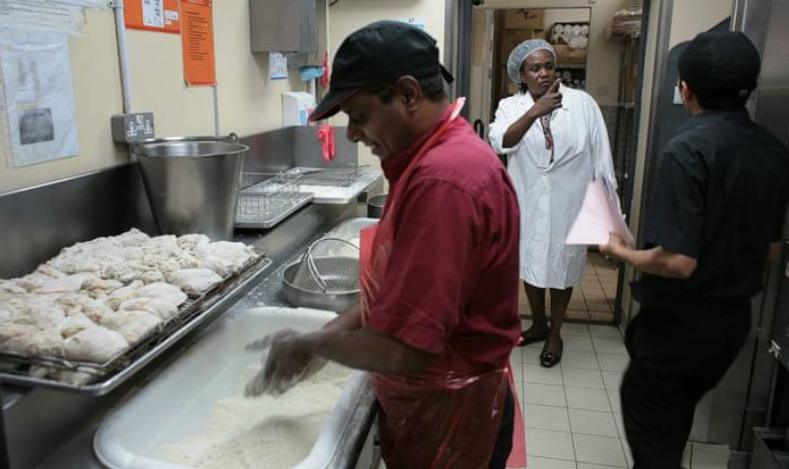
I initially assumed restaurants would have more hygiene issues because they handle larger menus. However, environmental health officers point out that takeaways face unique challenges:
Common Takeaway Challenges
Higher risk
Late-night operations
Fatigue can affect cleaning routines.
High order volumes
Rush periods increase the risk of mistakes.
Temperature control
Food may sit in warming units for extended periods.
Staff turnover
New employees may not be fully trained.
A principal environmental health officer from Newham Council described a zero rating as a “cumulative failure of management”, often involving poor cleaning, incorrect temperatures, and a lack of any effective safety plan.
What Inspectors Look For During an Inspection
Inspectors do not just glance around the kitchen. They examine:
| Area | What They Check |
|---|---|
| Food hygiene | Handling, preparation, and cooking practices |
| Structure | Cleanliness of walls, floors, equipment, and surfaces |
| Management confidence | Records, procedures, and staff training |
If all three areas score badly, a business can receive the worst possible rating.
My Personal Hygiene Rating Experiment
After researching this topic, I decided to check the ratings of five takeaways I had used recently. To my surprise:
- Three had a 5
- One had a 4
- One had a 2
The 2-rated takeaway looked perfectly normal from the outside. That was the moment I realised why official inspections matter. A clean-looking counter does not tell you whether food is stored at the correct temperature or whether cross-contamination controls are in place.
Also, my late-night self was slightly offended that my favourite garlic-bread spot failed. I like to think the garlic bread was innocent.
How to Check a Takeaway Before Ordering
Here is the process I now use:
5-Step Safety Check
Before ordering
1
Search the Food Standards Agency website
Look up the business by name or postcode.
2
Check the rating date
A score from several years ago may not reflect current conditions.
3
Read recent customer reviews
Look for comments about cleanliness, food temperature, or illness.
4
Look for visible hygiene information
In Wales and Northern Ireland, businesses must display ratings publicly.
5
Avoid zero-rated premises
The FSA’s own advice is clear: “If it’s got a zero, don’t take the risk.”
Quick Home Fridge Safety Tips
Because the AI overview highlighted how many households struggle with basic food safety, these are the five rules I now follow:
- Keep the fridge between 0°C and 5°C.
- Use a fridge thermometer if your appliance does not display the temperature.
- Clean shelves and drawers at least monthly.
- Store raw meat below ready-to-eat foods.
- Discard leftovers that have been sitting too long.
It sounds obvious, but I discovered my own fridge was running at 8°C before I checked it. That tiny adjustment made me rethink how easily food safety can be overlooked at home.
What Happens After a Zero Rating?
A business with a zero score may face:
- Follow-up inspections
- Improvement notices
- Voluntary closure while issues are fixed
- Reassessment fees
- Legal action in severe cases
In recent years, enforcement actions across the UK have included prosecutions, substantial fines, and even temporary licence suspensions for serious breaches.
FAQs
Can a takeaway stay open with a zero rating?
Yes. A zero rating does not automatically mean closure, but the business must address urgent concerns and will receive follow-up inspections.
Is a rating of 3 safe?
Yes. A score of 3 is considered generally satisfactory under the Food Standards Agency system.
How often are food businesses inspected?
Higher-risk businesses may be inspected every six months, while lower-risk premises with consistently good scores may be inspected less frequently.
Why do some areas have much worse ratings?
Local business types, inspection workloads, management standards, and socioeconomic factors can all influence regional failure rates.
Final Verdict: Should You Worry About UK Takeaway Hygiene?
After spending weeks researching inspection reports, FSA guidance, and local authority data, my answer is: you should not panic, but you should pay attention.
The encouraging news is that the vast majority of UK food businesses score 3 or higher. The concerning news is that thousands of takeaways and restaurants still fail inspections every year, and some areas have significantly higher risks than others.
For me, the biggest lesson was that checking a hygiene rating takes less than a minute and can tell you far more than a glossy menu photo ever will.
So the next time you are ordering that Friday-night curry, pizza, or noodle box, take a quick look at the rating first. Your stomach may thank you later.
Have you ever checked a takeaway’s hygiene score before ordering? I’d love to hear whether it changed your decision.