Introduction
Travelling around London often involves changing buses or trams, and those extra journeys can quickly increase your travel costs. In my experience, one of the smartest improvements to London’s public transport system is the expansion of the London Bus and Tram Hopper Fare. It has made travelling across the capital simpler, more affordable, and much more convenient for millions of passengers.
Introduced by Sadiq Khan and managed by Transport for London (TfL), the Hopper Fare was designed to help people complete journeys that require multiple bus or tram connections without paying a new fare each time. Since its launch, it has become one of London’s most successful transport initiatives, recording more than one billion journeys and continuing to evolve with new passenger-friendly improvements.
Whether you’re a daily commuter, a student, or a visitor exploring London, understanding how the Hopper Fare works can help you save money and travel more efficiently. This guide explains its history, latest updates, and why it remains an important part of London’s public transport network.
Overview
The London Bus and Tram Hopper Fare reached its first major milestone in September 2017, just one year after its launch, when passengers completed more than 100 million Hopper journeys. Since then, usage has grown dramatically and has now exceeded one billion journeys, showing how popular the scheme has become.
The Hopper Fare has evolved over time:
- September 2016: Pay-as-you-go passengers could make one free transfer to a second bus or tram within 60 minutes.
- January 2018: The scheme expanded to allow unlimited bus and tram transfers within one hour, even if passengers used a Tube or rail service between eligible bus or tram journeys.
- Current Fare: Unlimited eligible transfers are available for a flat £1.75 fare when using Oyster or contactless payment.
TfL has also introduced a temporary Weekend Hopper promotion running from 25 July to 31 August. Supported by a £20 million TfL innovation fund, this upgrade removes the normal one-hour limit, allowing unlimited weekend bus and tram travel all day for the standard single fare.
What Is the London Bus and Tram Hopper Fare?
The Hopper Fare is a ticketing policy created by Transport for London to make bus and tram travel more affordable. Instead of paying every time you board another bus or tram, eligible passengers can transfer between services while paying only one fare during the qualifying period.
When the scheme first launched, it allowed passengers to take one additional bus or tram within an hour for no extra cost. Following its expansion, passengers can now make unlimited bus and tram transfers within 60 minutes, making journeys involving several connections far more affordable.
The fare is automatically applied when using:
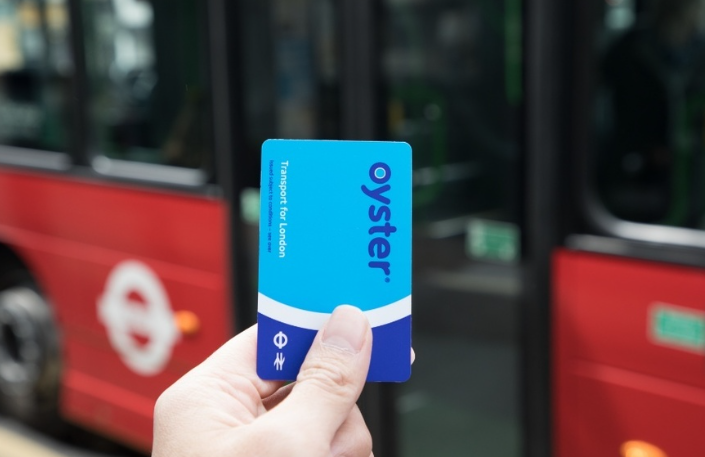
- An Oyster card
- A contactless debit or credit card
- A mobile wallet linked to contactless payment
There is no need to register or purchase a separate ticket. TfL’s payment system automatically recognises eligible journeys and charges the correct fare.
How the Hopper Fare Has Evolved
The Hopper Fare has changed significantly since it was first introduced, with each update giving passengers greater flexibility.
September 2016: Launch of the Hopper Fare
The scheme officially launched in September 2016 under Mayor Sadiq Khan. At the time, passengers could board one bus or tram and then transfer to one additional bus or tram within 60 minutes without paying another fare. This was a major improvement for people whose journeys required more than one bus.
September 2017: A Major Milestone
Only one year later, the Hopper Fare celebrated its first major achievement by reaching 100 million journeys. The milestone highlighted how quickly Londoners embraced the scheme as a way to reduce travel costs.
Today, that figure has grown to more than one billion journeys, making it one of TfL’s most successful fare initiatives.
January 2018: Unlimited Transfers
In January 2018, TfL expanded the Hopper Fare even further. Instead of limiting passengers to just two journeys, the new rules allowed unlimited bus and tram transfers within one hour. Passengers could even take a Tube or rail journey between eligible bus or tram trips while still benefiting from the Hopper Fare, provided they remained within the qualifying conditions.
This upgrade made the scheme much more practical for commuters travelling across different parts of London.
Why the Hopper Fare Expansion Matters
The expanded Hopper Fare is about more than saving money—it makes London’s transport system fairer and easier to use. According to Transport for London, around 350,000 Hopper Fare journeys were already being made every weekday under the earlier version of the scheme. After the unlimited transfer upgrade, TfL estimated that an additional 13,000 passengers each day would benefit.
In my experience researching London’s transport network, many journeys—especially in Outer London—require multiple bus changes. Before the Hopper Fare, each transfer meant paying another fare, increasing the overall cost of what was effectively a single journey. The expanded scheme removes that concern, allowing passengers to choose the most convenient route instead of the cheapest one.
Benefits of the Expanded Hopper Fare
The biggest advantage of the expanded Hopper Fare is the flexibility it gives passengers. Instead of worrying about paying another fare every time you change buses or trams, you can simply focus on reaching your destination.
In my experience, this is especially useful for people who commute daily or live in areas where several bus connections are needed. Rather than choosing a route based on cost, passengers can now choose the quickest or most convenient option.
Some of the key benefits include:
- Lower travel costs for regular commuters.
- Unlimited eligible bus and tram transfers within one hour.
- Easier journeys for families, students, and visitors.
- Better connections across London’s bus and tram network.
- Automatic fare calculation with Oyster or contactless payments.
The scheme also encourages more people to use public transport instead of private cars, helping reduce congestion while making travel more affordable.
Political Reactions and Financial Challenges
While the Hopper Fare has been welcomed by many passengers, it has also attracted criticism.
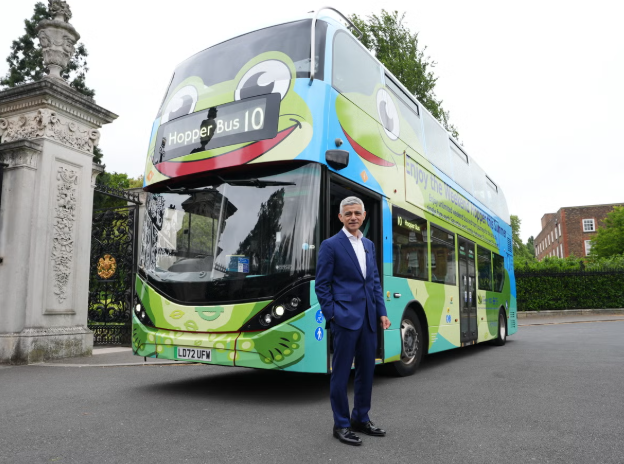
Mayor Sadiq Khan described the fare expansion as part of his commitment to making London a more affordable place to live and work. To celebrate the launch of the unlimited Hopper Fare, he travelled by bus to City Hall, highlighting the importance of the initiative.
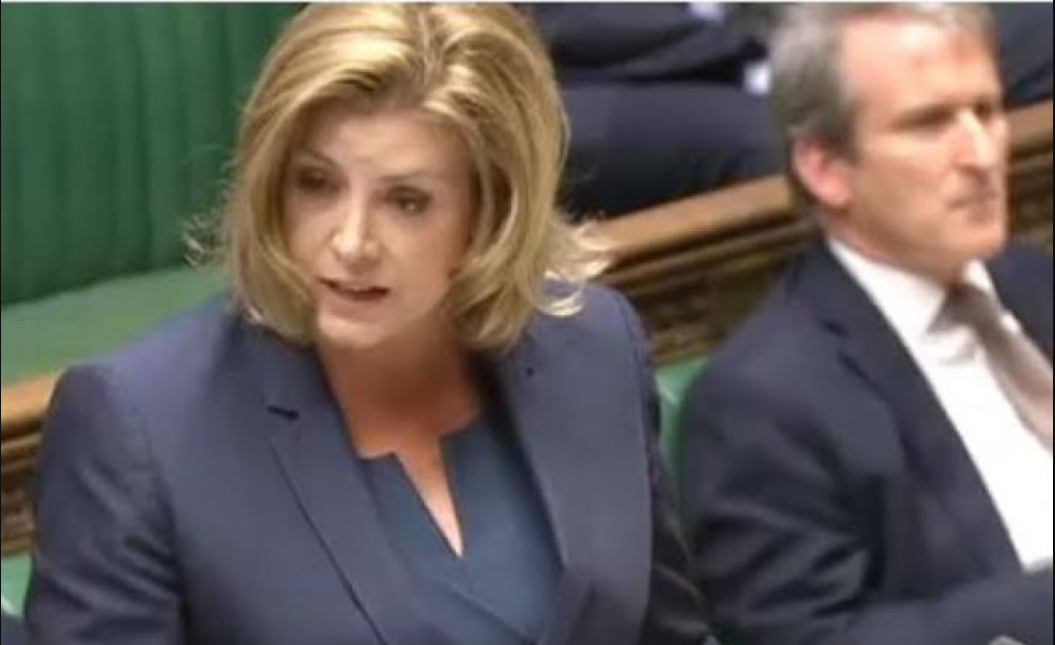
However, Keith Prince of the London Assembly argued that fare freezes and schemes like the Hopper Fare placed additional pressure on TfL’s finances. He suggested that while passengers benefited from lower fares, the organisation might have to reduce services or increase charges elsewhere to balance its budget.
Transport experts also noted that the expanded Hopper Fare was expected to cost TfL around £35 million each year. Maintaining affordable fares while continuing to invest in buses, drivers, and infrastructure remains an ongoing challenge for the transport authority.
The Impact of Crossrail on London’s Bus Network
Another reason behind changes to the bus network was the arrival of Crossrail, now known as the Elizabeth line.
As new rail connections opened, TfL planned to reorganise some bus services. Several routes in Central London became less necessary because passengers could use the faster rail network instead, allowing more bus services to be redirected to areas of higher demand in Outer London.
Although these changes aimed to improve efficiency, some passengers were concerned about longer waiting times and less frequent bus services. The expanded Hopper Fare helped offset these concerns by allowing unlimited eligible transfers within one hour, making revised routes easier and more affordable to use.
Weekend Hopper Promotion
TfL has continued to improve the scheme with new initiatives, including the temporary Weekend Hopper promotion.
Running from 25 July to 31 August, this offer removes the normal one-hour restriction on Saturdays and Sundays. Backed by a £20 million TfL innovation fund, passengers can enjoy unlimited weekend bus and tram travel all day for the standard £1.75 single fare.
This promotion is ideal for:
- Families enjoying weekend outings.
- Tourists visiting London’s attractions.
- Shoppers travelling between different areas.
- Friends meeting across the city without worrying about multiple fares.
Tips for Using the Hopper Fare
To make the most of the Hopper Fare, keep these simple tips in mind:
- Always use the same Oyster card or contactless payment method throughout your journey.
- Plan your route before travelling to make the best use of the transfer window.
- Check the official TfL app for live service updates and journey planning.
- Remember that the Hopper Fare applies only to eligible bus and tram journeys, except where TfL’s specific transfer rules apply.
These small steps can help ensure you receive the correct fare every time you travel.
Conclusion
The expansion of the London Bus and Tram Hopper Fare has transformed the way people travel across the capital. What started in September 2016 as a scheme offering one free transfer has grown into a popular initiative that has now recorded more than one billion journeys.
By allowing unlimited eligible bus and tram transfers within one hour for a single fare, Transport for London has made public transport more affordable and convenient for millions of passengers. Temporary initiatives such as the Weekend Hopper promotion show that TfL continues to explore new ways to improve the passenger experience.
Although debates remain about funding and the long-term financial impact, the Hopper Fare has proven to be one of London’s most successful transport policies. Whether you’re commuting to work, heading to university, or exploring the city, understanding how the Hopper Fare works can help you save money while making your journeys smoother and more flexible.