There are some stories that stay with you long after you read them, and the journey of Calvin Billington Glen is definitely one of them.
In my experience researching inspiring community initiatives, very few examples combine talent, compassion, and advocacy as naturally as Calvin’s work. What began as a passion for music has evolved into something much bigger a platform for autism awareness, mental health advocacy, and community fundraising across the UK.
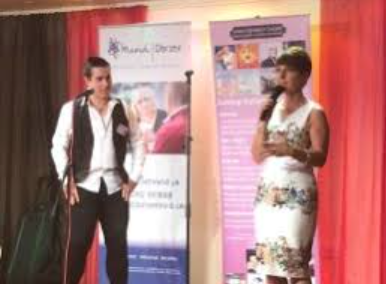
Best known for his appearances in Autism’s Got Talent, Calvin recently organized a remarkable four-day charity fundraiser over a bank holiday weekend. The event aimed to raise funds and awareness for Dorset Mind while also supporting AnnaKennedyonline, two causes deeply connected to his personal journey.
What makes this story powerful is not just the fundraising itself. It is the message behind it: autistic young people can lead, inspire, perform, mentor others, and create meaningful social change.
Read More: London Film Festival to Close with Three Billboards Outside Ebbing, Missouri
The Rise of Calvin Billington Glen Through Autism’s Got Talent
For many families affected by autism, opportunities for creative expression can sometimes feel limited. That is why Autism’s Got Talent has become such an important platform in the UK.
The showcase highlights performers on the autism spectrum and gives them a national stage to celebrate their abilities, confidence, and creativity. Calvin quickly became one of the standout names connected to the event.
Diagnosed with autism at a young age, Calvin discovered that music became both an emotional outlet and a way to connect with audiences. His performances, particularly his admiration for Elvis Presley classics, helped him gain recognition far beyond local charity circles.
In my experience following stories around neurodiversity and performance arts, audiences often respond most strongly to authenticity. Calvin’s performances are powerful because they feel genuine, emotional, and personal rather than overly polished or manufactured.
That authenticity helped transform him from a talented singer into a respected autism advocate.
Inside the Four-Day Charity Fundraiser
The recent fundraiser held in Bournemouth was far more ambitious than a typical local charity event.
Instead of organizing a single performance night, Calvin and his mother Marie planned a four-day community fundraiser designed to maximize awareness and engagement throughout the bank holiday weekend.
The primary beneficiary was Dorset Mind, an organization focused on improving mental health support services across the region.
The fundraiser combined:
- Live music performances
- Community entertainment
- Awareness campaigns
- Autism advocacy messaging
- Charity engagement activities
- Support from local audiences and volunteers
One thing I particularly admire about this event is how it connected autism awareness with mental health conversations. Too often, these discussions happen separately even though loneliness, anxiety, social isolation, and neurodiversity are frequently interconnected.
By supporting both autism-related causes and mental health initiatives, the fundraiser addressed real-world challenges affecting many young people and families today.
Why Dorset Mind Was the Perfect Charity Partner
Dorset Mind has become increasingly recognized for its mental wellbeing initiatives and community outreach programs.
Mental health support is especially important within neurodiverse communities because autistic individuals can sometimes experience:
- Social isolation
- Anxiety disorders
- Communication difficulties
- Bullying or exclusion
- Loneliness
- Emotional burnout
In my experience researching mental health charities, organizations succeed most when they build genuine local trust. Dorset Mind’s involvement helped give the fundraiser a strong community-centered purpose rather than simply functioning as a publicity event.
The partnership also encouraged broader public discussions around neurodiversity, inclusion, and emotional wellbeing.
Anna Kennedy OBE’s Continued Support
Another major figure connected to Calvin’s journey is Anna Kennedy, founder of AnnaKennedyonline.
Anna Kennedy has spent years advocating for autistic individuals and helping create opportunities through events, awareness campaigns, and public speaking initiatives.
She publicly praised Calvin’s dedication and even nominated him for the prestigious The Diana Award, recognizing both his fundraising efforts and mentorship within the autism community.
That recognition matters.
The Diana Award is not simply about achievement; it highlights young people who actively create positive social impact. Calvin earning this honor demonstrates how influential his work has become beyond entertainment alone.
Anna Kennedy also highlighted Calvin’s participation in the charity single Building Bridges, which was launched at the Hard Rock Cafe earlier this year.
Projects like these show how autism advocacy has evolved from awareness campaigns into real creative collaborations.
Music as a Tool for Autism Advocacy
One of the strongest lessons from Calvin’s story is how music can become a bridge between communities.
In my experience, public understanding of autism often improves fastest through storytelling, entertainment, and human connection rather than formal campaigns alone.
Music helps audiences emotionally engage with experiences they may not fully understand otherwise.
Calvin’s performances achieve several important things simultaneously:
- They entertain audiences.
- They challenge stereotypes around autism.
- They build confidence for autistic performers.
- They encourage inclusion.
- They raise money for important charities.
That combination is incredibly powerful.
His continued involvement with the Autism’s Got Talent roadshows and anniversary events also helps inspire younger performers entering the autism community for the first time.
The Autism’s Got Talent Roadshow Continues to Grow
The impact of Autism’s Got Talent now extends far beyond a single stage production.
The roadshow format allows performers from different regions to participate while building local awareness campaigns around autism inclusion.
One notable upcoming appearance includes performances at Towngate Theatre in Basildon, where autistic performers showcase music, comedy, dance, and other creative talents.
Events like these matter because representation matters.
When autistic young people see performers like Calvin succeeding publicly, it can dramatically improve self-confidence and aspirations.
Families attending these shows often leave feeling encouraged, supported, and less isolated.
Calvin’s Work Beyond the Stage
What impressed me most while researching Calvin’s story is that his advocacy does not stop after performances end.
Over time, he has become involved behind the scenes as well, supporting younger performers and helping encourage new talent entering autism-focused creative spaces.
He has also appeared on wider media platforms discussing issues connected to:
- Neurodiversity
- Mental health
- Loneliness
- Youth support
- Autism awareness
- Inclusion in entertainment
This shift from performer to mentor is often what separates short-term visibility from long-term influence.
Calvin is no longer simply participating in awareness campaigns — he is actively shaping them.
Lessons Other Communities Can Learn From This Fundraiser
In my experience, successful charity events usually share several common characteristics, all of which were visible in Calvin’s fundraiser.
1. Authenticity Creates Stronger Support
People support causes more enthusiastically when they connect emotionally with the organizer’s story.
2. Community Involvement Matters
Local fundraising becomes far more impactful when audiences feel personally included.
3. Entertainment Can Drive Awareness
Music and live events often reach audiences who might never attend formal awareness seminars.
4. Collaboration Expands Impact
Partnering with organizations like Dorset Mind and AnnaKennedyonline increased credibility and visibility.
5. Representation Inspires Confidence
Seeing autistic performers succeed publicly helps break outdated stereotypes around neurodiversity.
Why Stories Like This Matter Today
Modern conversations around autism have shifted significantly in recent years.
The focus is no longer solely on limitations or diagnoses. Increasingly, society is recognizing creativity, talent, individuality, and leadership within neurodiverse communities.
That is exactly why stories like Calvin Billington Glen’s resonate so strongly.
They demonstrate that autism advocacy can look empowering rather than purely educational.
Instead of simply raising awareness, Calvin actively builds inclusion through music, fundraising, mentorship, and public engagement.
And honestly, that approach feels far more effective.
Conclusion
The story of Calvin Billington Glen is about much more than a four-day charity fundraiser.
It is about using talent to create change.
Through Autism’s Got Talent, charity performances, advocacy work, and support for Dorset Mind and AnnaKennedyonline, Calvin has become an inspiring example of how creativity and compassion can work together.
In my experience, the most meaningful fundraisers are not always the biggest or most expensive. They are the ones driven by genuine passion, community support, and a clear desire to help others.
Calvin’s journey proves exactly that.
As conversations around neurodiversity and mental health continue to evolve, stories like this remind us how important visibility, inclusion, and empathy truly are.