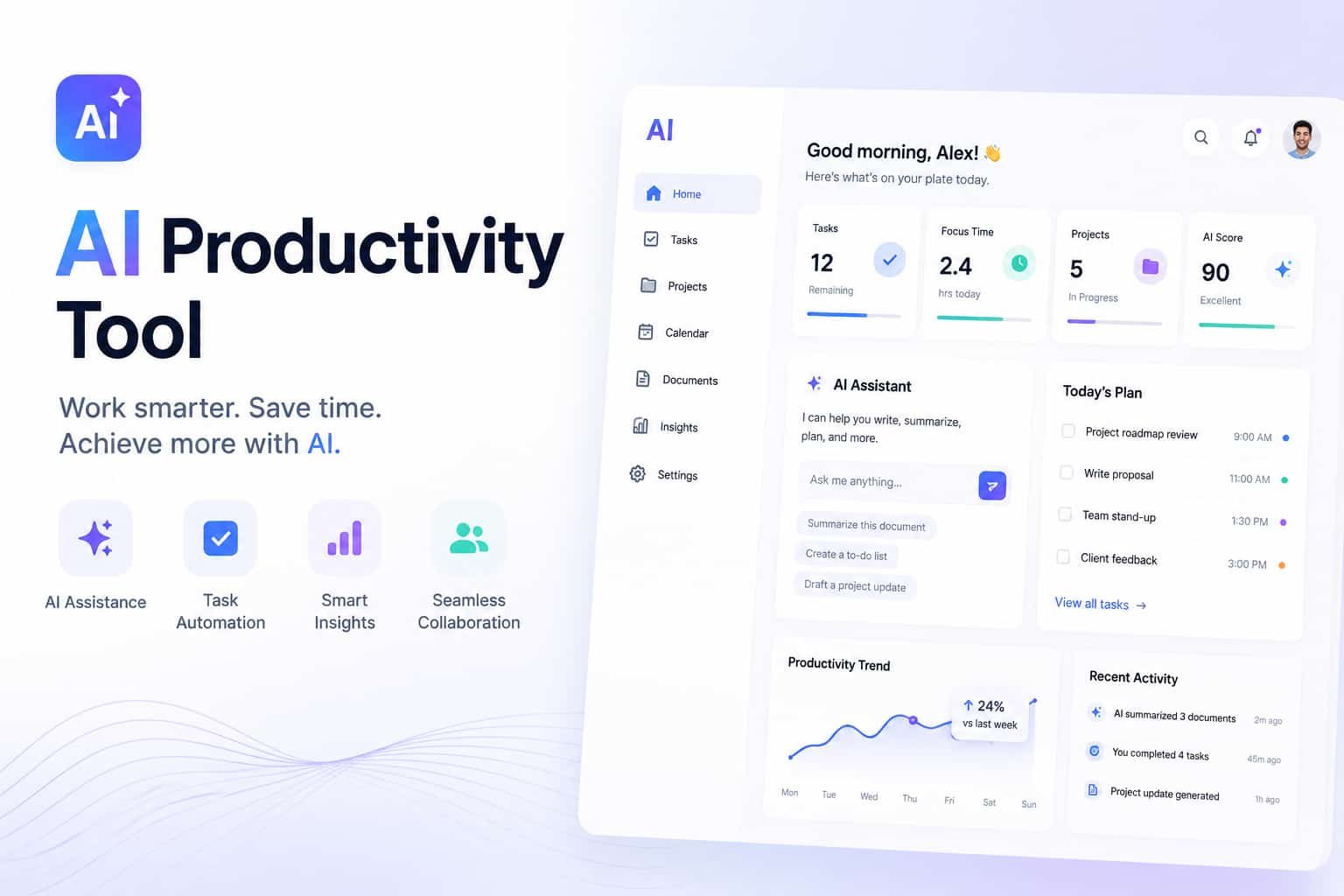

I’ve always been fascinated by how the right tools can quietly transform daily chaos into something manageable and even enjoyable. Over the years, I’ve tested countless apps, gadgets, and systems in my own life — juggling work, family, health, and everything in between. What I’ve learned is simple: technology isn’t about flashy features. It’s about removing friction, saving time, reducing stress, and giving us peace of mind.
In my experience, the best tech delivers two big wins it makes everyday tasks noticeably easier while adding layers of security and protection we often take for granted. Let me walk you through the ways I’ve seen this play out, blending tools I use personally with broader insights that can help you too.
The Freedom of Telecommuting and Remote Work
Do you ever dream of skipping the morning commute? I certainly did before embracing work-from-home setups. High-speed internet, laptops, smartphones, and solid project management software have made telecommuting a game-changer for millions.
Instead of fighting rush-hour traffic, arriving frazzled, and risking accidents, many of us now work productively from home — often in comfortable clothes. Recent data shows strong ongoing adoption, with remote and hybrid arrangements helping people cut commuting costs (hundreds to thousands of dollars annually), lower their carbon footprint, reduce stress, and boost work-life balance.
Managing your playlists becomes much easier when you know how to access SoundCloud on Multiple Devices without losing your listening history or account settings.
Practical tips I’ve learned:
- Set clear boundaries with a dedicated workspace and shared calendars to avoid scheduling conflicts.
- Use tools like video calls for team alignment without losing human connection.
- Track your productivity — many people report getting more done with fewer distractions.
This shift isn’t just convenient; it enhances security by reducing road risks and offering flexibility during uncertain times.
Instant Answers at Your Fingertips
Remember when a random question or debate meant calling around, heading to the library, or just staying uncertain? Those days feel distant now.
Thanks to search engines like Google, I can get near-instant answers to almost anything. Whether it’s verifying a historical fact, troubleshooting a recipe, or settling a friendly argument, the time savings are massive. In my experience, this has been a fantastic educational tool for all ages — quick facts lead naturally into deeper reading via books or longer articles.
Actionable advice:
- Start broad, then refine your search with specific phrases.
- Cross-check important info with reliable sources.
- Use it to spark learning — one quick search often turns into a productive rabbit hole of discovery.
This instant access reduces mental clutter and frustration, making life feel lighter and more informed.
Bringing Families Closer Across Distances
One of my favorite aspects of modern technology is how it bridges gaps between loved ones. Email, Skype (and its successors), texting, FaceTime, WhatsApp, and social networking sites let families stay connected no matter where life takes them.
Studies and real-world experience show these tools can strengthen bonds. People using platforms like Facebook regularly often report feeling closer to family and friends. I’ve joined virtual family gatherings via video calls and used shared calendars to coordinate events without mix-ups — turning physical distance into something manageable.
My go-to practices:
- Schedule regular video calls as non-negotiable “family time.”
- Share photos and updates in group chats for everyday connection.
- Combine with in-person visits when possible — tech enhances, doesn’t replace, real moments.
This connectivity brings emotional security and reduces the isolation that distance can create.
GPS: Never Truly Lost Again
We’ve all heard the occasional GPS horror story, but in reality, it’s one of the most reliable safety tools in my daily life. Voice-guided, step-by-step directions let me keep my eyes on the road instead of fumbling with maps.
Good GPS systems (like Google Maps or Waze) tell you the fastest route, estimated arrival time, traffic issues, and roads to avoid. This makes driving less stressful and significantly safer. I also use it for walking routes in new cities, adding confidence and security when exploring.
Pro tip: Pair it with real-time traffic updates and ride-hailing apps for even smoother, safer travel. Always keep an eye on the road, of course — technology assists, but alertness remains key.
AI Overview: Technology’s Broad Impact on Quality of Life
Technology can significantly enhance your quality of life by increasing productivity, improving health, and fostering connections. Key ways to leverage technology include automating home tasks, tracking health metrics, streamlining finances, and using AI for productivity.
Here are the top ways to use technology to enhance your life:
- Boost Productivity and Organization
- Digital note-taking apps like Notion, Evernote, or Google Keep help capture ideas and keep projects synced across devices.
- Virtual assistants (Siri, Alexa, Google Assistant) manage schedules, set reminders, and control smart devices via simple voice commands.
- Mastering keyboard shortcuts (Ctrl+C/V/Z and beyond) dramatically speeds up workflows.
- Improve Health and Wellness
- Wearable trackers like Apple Watch or Fitbit monitor heart rate, steps, sleep, and activity levels, gently encouraging better habits.
- Mental wellness apps guide meditation and stress management.
- Telehealth services let you consult doctors from home, making healthcare more accessible and timely.
- Simplify Financial Management
- Budgeting apps like YNAB or Mint track expenses and support financial goals.
- Digital banking and payment tools enable secure bill payments and transfers, reducing errors and adding fraud protection layers.
- Create a Smart and Efficient Home
- Smart thermostats (like Nest) and lighting systems automate comfort while lowering energy bills.
- Home security technology, including smart doorbells and cameras, provides remote monitoring for true peace of mind.
- Smart kitchen gadgets streamline cooking and reduce daily effort.
- Enhance Learning and Connection
- Online platforms like Coursera, LinkedIn Learning, or YouTube make skill-building convenient.
- Video conferencing (Zoom, FaceTime, WhatsApp) keeps global relationships strong.
- Optimize Transportation
- GPS and apps like Google Maps or Waze deliver real-time updates, while ride-hailing options add safe, efficient travel choices.
By intentionally adopting these tools, you can reduce mental clutter, save time, and focus on what truly matters.
Smart Homes: Security and Convenience Combined
Beyond the basics, I’ve integrated smart home devices that deliver both ease and security. Smart doorbells and cameras let me check on my property from anywhere, providing alerts that bring genuine peace of mind. Automated lighting and thermostats not only save money but create the illusion of occupancy when I’m away — a simple yet effective security boost.
In my testing, these systems integrate beautifully with voice assistants, turning complex routines into effortless commands.
Health, Finances, and Daily Efficiency
Wearables have changed how I approach wellness. Tracking sleep and activity provides data-driven motivation that generic advice never matched. Telehealth removed barriers to care during busy or travel periods.
On the financial side, secure banking apps and budgeting tools give me visibility and control I never had with paper statements. They flag suspicious activity quickly, adding a security layer that protects hard-earned money.
A Balanced Approach to Technology
This barely scratches the surface of how technology improves our lives and keeps us more secure. From AI-powered productivity to smart transportation, innovations exist for nearly every scenario you can imagine.
That said, I’ve learned the value of occasional tech breaks. Stepping away helps me regain focus, and interestingly, I often use technology itself — like focus apps or scheduled downtime reminders — to make those breaks more effective.
Final Takeaway
Technology won’t solve every problem, but when chosen and used thoughtfully, it removes unnecessary friction, protects what matters, and frees up energy for the people and experiences we value most. Start small: pick one area (maybe remote work tools or a simple health tracker) and build from there.
What’s one piece of technology that’s made your life noticeably easier or safer? I’d love to hear in the comments — because the best insights often come from real people sharing what actually works.
(Word count: ~1,250)
This article draws from personal experimentation, current trends, and practical results. The tech landscape evolves quickly, so always prioritize tools that fit your unique needs and privacy preferences.