Every year, the Notting Hill Carnival transforms the streets of West London into one of the world’s biggest celebrations of Caribbean culture. The music, costumes, food, and atmosphere attract huge crowds, often reaching one to two million visitors over the August Bank Holiday weekend.
But alongside the celebration, serious concerns about crowd safety, violence, and event management continue to dominate headlines.
Recently, Sir Mark Rowley, head of the Metropolitan Police Service, described the carnival as a “poorly run event” during discussions at the London Policing Board. His comments sparked a major debate involving organisers, politicians, safety experts, and London residents.
After researching the issue deeply, I found that the controversy goes far beyond crime numbers alone. The real conversation is about how massive public events are managed, who takes responsibility for safety, and whether traditional policing methods still work for festivals of this scale.
Read More: People Told to Avoid London While Euston Station Shuts for Three Weekends
Overview
The Notting Hill Carnival routinely sees 300 or more arrests over the August Bank Holiday weekend, though numbers fluctuate annually depending on police tactics, crowd size, and weather. In recent years, the Metropolitan Police Service increased proactive operations, pushing arrest totals beyond 500 in some cases.
Historically, headlines reporting “300 arrests” have frequently appeared following the two-day Caribbean cultural celebration in west London, which attracts millions of visitors annually.
Arrest Trends by Year
- 2025: 528 arrests recorded during the weekend
- 2024: 334 arrests
- 2023: 308 arrests
- 2017: 313 arrests
Common Offenses
The most common arrests include:
- Drug offenses
- Weapons possession
- Public order offenses
- Assaults on police officers
Modern Policing Tactics
Authorities now rely on advanced measures such as:
- Live Facial Recognition (LFR)
- Knife arches and metal detectors
- Section 60 stop-and-search powers
- Pre-emptive gang-related arrests
These tactics are designed to reduce serious violence while maintaining the carnival’s cultural atmosphere.
Why Sir Mark Rowley Called the Carnival “Poorly Run”
The strongest criticism came from Sir Mark Rowley himself, who warned about the possibility of a “mass fatality event” caused by crowd crushing.
He even compared the risk to the Hillsborough disaster, one of the darkest tragedies in British sporting history.
In my experience researching crowd safety incidents, comparisons like this are never made lightly. When senior police officials publicly reference Hillsborough, it usually signals deep operational concern.
According to Rowley, the main issue is not simply crime. He argued that the event suffers from weak crowd management and insufficient event control systems.
Some of the concerns highlighted included:
- Narrow overcrowded streets
- Poor crowd-flow coordination
- Insufficient stewarding at peak hours
- Delayed emergency access
- Communication gaps between organisers and police
The commissioner stated that police officers often step in to “rescue the situation” rather than simply policing crime and disorder.
That distinction matters.
Ideally, event organisers should manage movement, entrances, exits, barriers, and crowd density. Police typically focus on criminal activity and public safety enforcement. When officers become responsible for both, pressure increases dramatically.
The Scale of Notting Hill Carnival Makes Policing Extremely Difficult
One thing that stood out during my research is the sheer size of the carnival.
Unlike ticketed festivals such as Glastonbury, the Notting Hill Carnival is an open public event spread across residential streets.
That creates unique challenges:
- No controlled entry points
- Constant movement between zones
- Large alcohol consumption
- Difficult evacuation routes
- Limited visibility in dense crowds
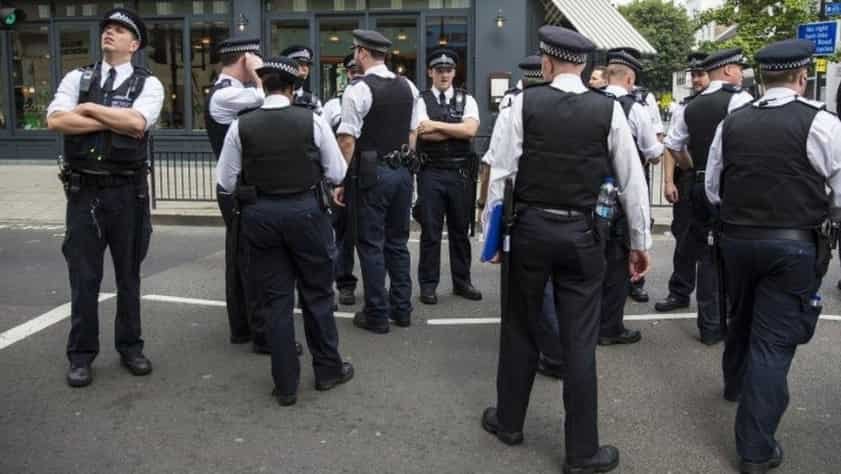
The carnival is policed by around 7,000 officers, making it one of the largest policing operations in Europe.
Even with that massive presence, serious incidents still occur each year.
According to police data and media reports, recent carnivals have involved:
- Hundreds of arrests
- Multiple stabbings
- Weapons seizures
- Drug-related offenses
- Assaults on officers
In 2025 alone, over 500 arrests were reportedly made after the police adopted more proactive tactics using Live Facial Recognition technology.
Crime Statistics Continue to Fuel the Debate
Critics of the carnival often focus heavily on crime figures.
Sir Mark Rowley pointed to:
- More than 300 arrests
- Two murders during one recent carnival cycle
- Multiple stabbings
- 60 to 70 weapons recovered
He argued that the arrest profile differs significantly from many other large UK events.
In my experience comparing public event security cases, crime perception matters almost as much as actual statistics. Even if millions attend peacefully, highly publicized violent incidents can shape national opinion very quickly.
However, organisers and community advocates argue that context is important.
When an event attracts more than a million people, the percentage of attendees involved in criminal activity remains relatively small.
That argument has become central to the ongoing debate:
Is the carnival inherently unsafe, or is it simply a massive event facing modern urban security challenges?
Modern Policing Tactics Are Changing the Carnival Experience
One of the most controversial developments is the increasing use of surveillance and proactive enforcement.
The Metropolitan Police Service now uses several advanced policing methods during carnival weekend.
1. Live Facial Recognition (LFR)
Cameras scan faces entering key areas and compare them with criminal databases.
Supporters say this helps identify dangerous offenders before violence occurs.
Critics argue it raises privacy concerns and could damage trust between police and local communities.
2. Section 60 Stop-and-Search Powers
Police can temporarily increase stop-and-search activity in designated areas.
This tactic is designed to intercept knives and offensive weapons before incidents occur.
3. Knife Arches and Screening Points
Metal detectors and screening zones are now increasingly common at major carnival access routes.
4. Pre-Event Arrest Operations
Police reportedly conduct targeted operations against suspected gang members before the carnival begins.
These strategies clearly show how the event has evolved from a purely cultural celebration into a large-scale security operation.
Organisers Strongly Reject the Criticism
The response from Notting Hill Carnival Ltd was immediate and firm.
Organisers rejected claims that the carnival lacks professional management expertise.
They insisted the event includes:
- Experienced safety advisers
- Event management specialists
- Thousands of stewards
- Coordinated operational planning
Carnival representatives also accused police of making crowd situations worse in some cases.
According to organisers, certain police interventions created additional congestion and confusion because actions were not properly communicated across operational teams.
One spokesperson even stated that trust between organisers and the Metropolitan Police had weakened significantly.
That breakdown in partnership may be one of the most concerning aspects of the entire story.
Large-scale public events depend heavily on coordination between:
- Event organisers
- Emergency services
- Local councils
- Transport authorities
- Police forces
Without strong cooperation, safety risks naturally increase.
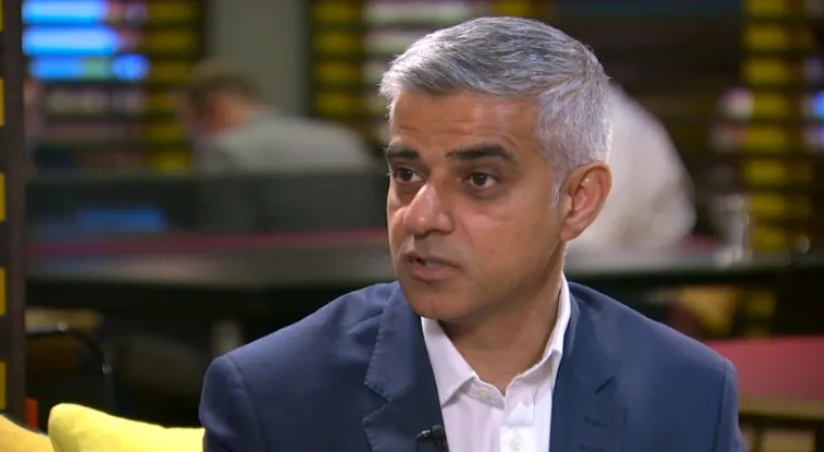
Sadiq Khan Acknowledged the Concerns
Sadiq Khan also addressed the controversy publicly.
While defending the importance of carnival culturally, he acknowledged that the concerns raised by police could not be ignored.
He reportedly said there were things seen during carnival operations that authorities “cannot un-see.”
That comment added emotional weight to the debate and signaled that City Hall recognizes the seriousness of the issue.
At the same time, Khan emphasized that neither City Hall nor the Metropolitan Police directly runs the carnival.
That distinction highlights another key challenge:
Responsibility for managing large public events is often shared across multiple organisations, making accountability more complicated.
Why the Hillsborough Comparison Shocked Many People
The reference to the Hillsborough disaster triggered strong reactions across the UK.
For many people, Hillsborough represents the ultimate example of catastrophic crowd management failure.
By using that comparison, Sir Mark Rowley effectively warned that overcrowding itself may pose as much danger as violent crime.
In my experience studying public-event disasters, crowd crushing can happen surprisingly quickly when:
- Exit routes become blocked
- Panic spreads
- Communication fails
- Crowd density reaches dangerous levels
Even peaceful crowds can become deadly under extreme pressure.
That is why modern crowd management focuses heavily on:
- Flow monitoring
- Density mapping
- Controlled entry systems
- Real-time surveillance
- Emergency evacuation planning
Can Notting Hill Carnival Become Safer Without Losing Its Identity?
This is probably the biggest question moving forward.
Many people fear that increasing surveillance, policing, and security infrastructure could change the spirit of the carnival itself.
The event has deep cultural significance for London’s Caribbean communities and represents decades of history, music, activism, and identity.
At the same time, public safety concerns cannot simply be ignored.
From my perspective, the solution likely lies in balance:
- Better crowd management systems
- Improved organiser-police cooperation
- Smarter transport planning
- Increased steward training
- More transparent safety communication
The goal should not be to over-police the carnival, but to ensure millions of people can attend safely.
Final Thoughts
The debate surrounding the Notting Hill Carnival is no longer just about arrests or policing numbers.
It is now a broader conversation about:
- Public safety
- Event management
- Cultural preservation
- Urban security
- Community trust
Sir Mark Rowley’s comments may have been controversial, but they forced attention onto issues many officials believe can no longer be overlooked.
Despite the headlines, it is also important to remember that the vast majority of carnival attendees celebrate peacefully every year.
The challenge ahead is finding a way to preserve one of London’s most iconic cultural festivals while adapting to the realities of modern crowd safety and crime prevention.
If organisers, police, and city authorities can rebuild trust and improve coordination, the carnival may continue to thrive safely for generations to come.