
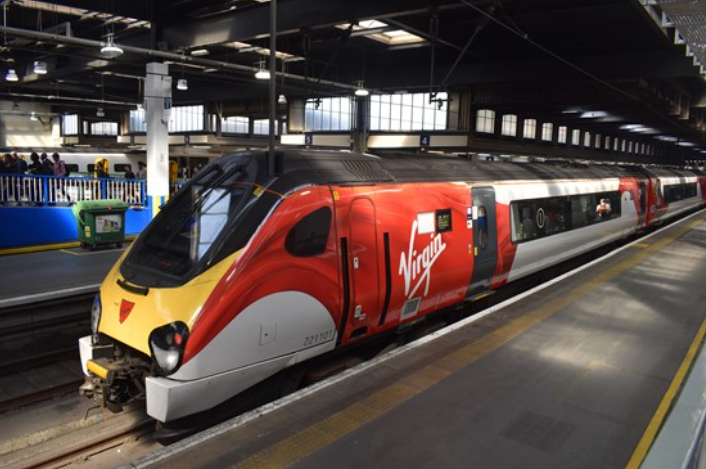
Travel disruption in London is never small news, especially when it involves one of the UK’s busiest rail hubs. Recently, passengers were strongly advised to avoid unnecessary travel into the capital while Euston Station undergoes major engineering work across three separate weekends.
In my experience, rail closures around London create a domino effect far beyond a single station. Delays spread quickly, alternative routes become overcrowded, and travelers who fail to plan ahead usually face long and frustrating journeys. That is exactly why authorities, including Network Rail and Virgin Trains, issued strong warnings for passengers heading to London during the disruption period.
The closures are connected to critical track upgrades near North Wembley Junction, a key section of the railway network linked to the West Coast Main Line. While these works are essential for the long-term reliability of rail services, the short-term impact on commuters and visitors will be significant.
Why Is Euston Station Closing?
According to rail operators, the temporary shutdown is necessary to replace aging infrastructure and improve railway safety and reliability. The engineering work focuses heavily on North Wembley junction, which handles both passenger and freight rail traffic.
Rail officials explained that the selected weekends were chosen carefully to reduce disruption as much as possible. However, because Euston serves thousands of passengers daily, even limited closures can create major travel challenges across the wider network.
The affected closure weekends include:
- August 18–19
- August 25–27, including the Bank Holiday Monday
- September 1–2
These dates are particularly sensitive because they fall during busy travel periods when tourists, commuters, and event attendees all rely heavily on rail services.
Why the Engineering Work Matters
Many travelers only notice rail infrastructure when something goes wrong. But in reality, much of Britain’s railway network depends on constant upgrades and maintenance to manage growing passenger demand.
Martin Frobisher explained that replacing the tracks at North Wembley is essential for maintaining safe and efficient rail operations.
From my own travel experiences around London stations, older rail junctions often become bottlenecks. When maintenance is delayed for too long, minor issues can quickly escalate into widespread disruption. That is why large-scale engineering projects like this are considered unavoidable, even when they temporarily inconvenience passengers.
The work is expected to help:
- Improve long-term rail reliability
- Reduce infrastructure failures
- Support increasing passenger demand
- Maintain freight transport efficiency
- Modernize sections of the West Coast Main Line
Which Routes and Cities Are Affected?
The closure does not only impact London travelers. Several towns and commuter routes connected to Euston will also face delays, diversions, or altered services.
Areas expected to experience disruption include:
- Milton Keynes
- St Albans
- Northampton
- Watford
- Hemel Hempstead
- Leighton Buzzard
- Bletchley
- Wolverton
- Berkhamsted
Passengers traveling between these locations and London should expect:
- Longer journey times
- Bus replacement services
- Crowded trains
- Route diversions
- Delayed arrivals
- Schedule changes
Overview
During past major engineering works and track upgrades at London Euston—which previously prompted warnings from operators like Virgin Trains—passengers were strongly advised to avoid all non-essential rail travel to and from the station. If you must travel, you are urged to think ahead and plan for significantly longer journeys.
If your journey is impacted by a London Euston closure, several alternatives are usually introduced by rail operators to help passengers continue their trips:
- Alternative rail routes to other London terminals
- Replacement bus and coach services
- Flexible ticket arrangements around closure dates
- Lifted peak-time restrictions on nearby travel days
- Continued access to the London Underground at Euston
Passengers are also encouraged to verify routes in advance using journey planners and official railway websites before beginning their trip.
Alternative Travel Options During the Closure
One important thing I have noticed during major London rail disruptions is that passengers who prepare early usually avoid the worst problems. Fortunately, rail operators often introduce several alternatives to keep people moving.
1. Use Alternative London Terminals
Some passengers traveling from northern routes may be redirected toward stations such as:
- London St Pancras
- London Marylebone
- London Kings Cross
In some cases, services operated through alternative routes can still get travelers into central London faster than waiting for replacement transport.
2. Rail Replacement Buses
When trains cannot complete their normal routes, replacement coaches and buses are commonly introduced.
These services usually connect passengers to:
- Underground stations
- Alternative rail lines
- Nearby operational stations
While replacement buses are useful, they often add considerable travel time. In my experience, luggage, weekend traffic, and crowding can make these journeys slower than expected.
3. Travel Outside Peak Hours
Operators sometimes relax peak-time ticket restrictions before and after engineering closures to spread passenger demand more evenly.
If your schedule is flexible, consider:
- Early morning departures
- Midday travel
- Late evening journeys
Avoiding traditional commuter hours can significantly reduce stress and overcrowding.
4. Use the London Underground
Even when mainline rail services stop operating at Euston, the London Underground often continues running.
That means travelers may still access:
- Northern Line
- Victoria Line
- Nearby Tube connections
For many passengers, combining underground travel with alternative rail routes becomes the fastest solution.
Advice From Rail Operators
Peter Broadley urged passengers to avoid traveling into London unless absolutely necessary during the closure weekends.
Rail operators also recommended that passengers:
- Check journey updates before departure
- Allow extra travel time
- Reserve seats where possible
- Expect crowded conditions
- Consider postponing non-essential trips
This type of advisory is common during major engineering projects because railway networks around London are highly interconnected. A disruption at Euston can easily affect surrounding stations and services.
How Travelers Can Prepare
If you absolutely must travel during the closure period, planning ahead becomes essential.
Here are some practical steps that can help:
Check Real-Time Updates
Before leaving home, verify:
- Train schedules
- Platform changes
- Diversion notices
- Replacement bus arrangements
Conditions can change quickly during engineering works.
Pack for Delays
Longer journeys may require:
- Water
- Snacks
- Portable phone chargers
- Backup travel apps
- Flexible arrival expectations
This sounds simple, but it makes a huge difference during crowded travel days.
Leave Earlier Than Normal
One lesson many commuters learn the hard way is that replacement routes rarely operate as smoothly as standard rail services.
Adding extra time to your journey reduces stress and helps avoid missed connections.
Impact on Events and Tourism
The closure may also affect people attending:
- Sporting events
- Concerts
- Festivals
- Cultural attractions
- Bank Holiday activities
London remains one of Europe’s busiest tourist destinations, and transport disruptions during holiday weekends often increase hotel demand and traffic congestion across the city.
Visitors unfamiliar with the UK rail network could find the changes especially confusing. That is why checking official travel guidance before arriving is strongly recommended.
Why These Upgrades Are Still Important
Although closures frustrate passengers in the short term, infrastructure improvements are necessary for the future of Britain’s railways.
Without regular upgrades:
- Delays become more frequent
- Safety risks increase
- Passenger demand overwhelms infrastructure
- Freight transport efficiency declines
Modern rail systems require constant investment, particularly on busy routes like the West Coast Main Line.
In many ways, temporary disruption today helps prevent much larger transport problems tomorrow.
Final Thoughts
The temporary shutdown of Euston Station serves as a reminder of how heavily millions of people rely on Britain’s railway infrastructure every day.
While the three-weekend closure will undoubtedly create frustration, delays, and crowded journeys, careful planning can make the experience far more manageable. In my experience, passengers who monitor updates closely, travel outside busy periods, and remain flexible usually handle these disruptions much more smoothly.
If you plan to travel during the affected weekends, the smartest approach is simple:
- Check updates early
- Explore alternative routes
- Allow extra time
- Avoid unnecessary travel where possible
Rail disruption is rarely convenient, but preparation makes a major difference.