
A shocking incident that unfolded on Putney Bridge in south-west London continues to attract public attention years after it first occurred. The case, often referred to as the “Putney Pusher” incident, recently took a significant turn when the Metropolitan Police confirmed that a 44-year-old man had been arrested on suspicion of attempted grievous bodily harm (GBH) before being released on bail while detectives continue their inquiries.
In my experience following high-profile public safety investigations, cases like this remind us that even when an investigation appears to have reached a dead end, advances in evidence review and persistent detective work can reopen important lines of inquiry. This incident is a powerful example of how CCTV footage, witness accounts, and renewed investigations can keep a case alive years later.
This article explains everything currently known about the incident, including what happened on Putney Bridge, how the investigation unfolded, why the suspect was arrested, and what the latest police update means.
Overview
The Metropolitan Police has issued an important update regarding the well-known 2017 Putney Bridge incident, where a jogger allegedly knocked a 33-year-old woman into the path of a double-decker bus during the morning rush hour in London.
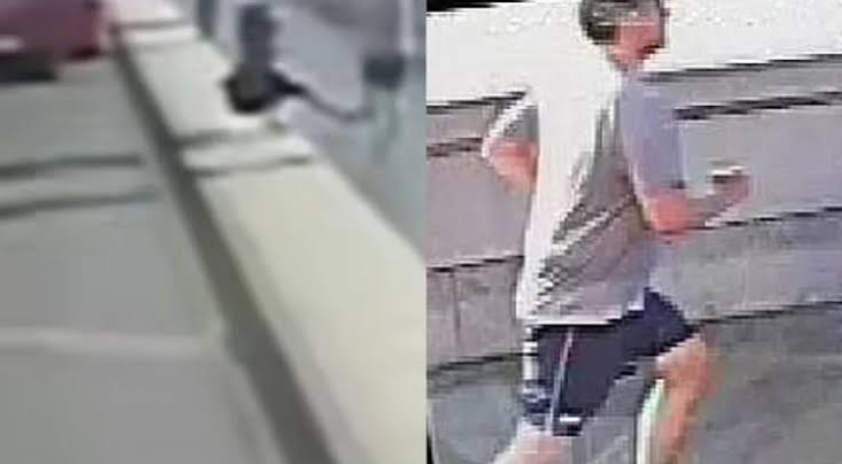
The incident occurred on 5 May 2017 at approximately 7:40 AM on Putney Bridge. CCTV footage appeared to show a male jogger pushing the woman into oncoming traffic, forcing a Route 430 bus to make an emergency swerve to avoid a potentially fatal collision.
Fortunately, the victim suffered only minor injuries. Reports also stated that when the jogger crossed back over the bridge around 15 minutes later, he ignored the woman after she attempted to speak with him.
Although the investigation initially stalled and was officially closed in 2018 after detectives exhausted multiple leads and earlier arrests resulted in no charges, the case has now been revived. Police recently arrested a 44-year-old man on suspicion of attempted grievous bodily harm and additional suspected drug offences. He has since been released on bail while the investigation remains active.
A Look Back at the Putney Bridge Incident
On what seemed like an ordinary Friday morning in May 2017, commuters, cyclists, and joggers were crossing Putney Bridge, one of London’s busiest pedestrian routes.
Without warning, a woman walking across the bridge was allegedly pushed into the road by a passing jogger.
The timing could hardly have been worse.
A bus was travelling alongside the pavement, and the woman was suddenly forced directly into its path. According to investigators, the bus driver reacted almost instantly by steering into the neighbouring traffic lane, narrowly avoiding what could have become a fatal collision.
The frightening event was captured by CCTV cameras, making it one of the most widely discussed road safety incidents in London during that period.
The victim escaped with relatively minor injuries, but the incident immediately prompted a major criminal investigation.
CCTV Footage Became the Key Piece of Evidence
One of the strongest aspects of the investigation has always been the available CCTV footage.
Video recordings appeared to show:
- A male jogger running across Putney Bridge.
- The woman walking near the pavement.
- The jogger making contact with the woman.
- The woman falling directly into the road.
- A bus swerving dramatically to avoid hitting her.
- The jogger continuing his run without stopping.
Investigators later revealed another troubling detail.
Approximately 15 minutes later, the same jogger reportedly crossed the bridge again. Despite the woman attempting to speak with him, he allegedly ignored her and continued running.
From an investigative perspective, behaviour after an incident can become just as important as the event itself, which is why detectives carefully reviewed both the CCTV recordings and witness statements.
The Bus Driver’s Quick Reaction Prevented a Tragedy
One of the most remarkable parts of this case is the response of the bus driver.
Police have repeatedly acknowledged that the driver’s rapid decision-making likely saved the woman’s life.
The bus immediately changed lanes to avoid striking her after she entered the road unexpectedly.
At the time, Sgt Mat Knowles praised the driver’s actions, explaining that it was only because of those quick reactions that the woman was not hit by the vehicle.
Road safety experts often point to incidents like this as reminders that professional drivers constantly scan for unexpected hazards, particularly in busy urban areas where pedestrians, cyclists, buses, and other vehicles share limited road space.
How the Metropolitan Police Conducted the Investigation
Following the incident, the Metropolitan Police launched an extensive investigation.
Detectives worked through several lines of inquiry, including:
- Reviewing extensive CCTV footage.
- Interviewing witnesses.
- Identifying possible suspects.
- Tracing local joggers.
- Examining travel routes around Putney Bridge.
- Comparing available evidence with public information.
Investigators eventually identified more than 50 persons of interest during the inquiry.
Police also issued public appeals, hoping someone would recognise the jogger shown in the surveillance footage.
The CCTV images quickly spread across television broadcasts, newspapers, and online news platforms, generating thousands of discussions and helping keep public attention focused on the investigation.
Why the Investigation Was Closed in 2018
Despite considerable public interest, the investigation eventually reached a point where detectives believed every available lead had been explored.
Authorities confirmed that:
- Multiple suspects had been investigated.
- Three men were previously arrested.
- Each was later released without charge.
- Detectives concluded that all reasonable investigative avenues had been exhausted.
As a result, the Metropolitan Police formally closed the case in 2018.
For many people, that appeared to mark the end of one of London’s most unusual criminal investigations.
However, major investigations are sometimes reopened when new information becomes available, improved evidence analysis is conducted, or fresh intelligence emerges. That is exactly what has happened in this case, leading to the latest developments that have once again brought the Putney Bridge incident back into the headlines.
The Latest Arrest and Bail Update
Years after the original incident, the Metropolitan Police announced a significant breakthrough.
A 44-year-old man was arrested on suspicion of attempted grievous bodily harm (GBH) in connection with the Putney Bridge case.
While the suspect was in police custody, officers also arrested him on suspicion of possession of Class A drugs and possession of Class B drugs. These are separate allegations from the original bus incident and remain subject to ongoing investigation.
After questioning, the man was released on bail. It is important to understand that bail does not mean a person has been found guilty or cleared of wrongdoing. Instead, it allows investigators additional time to gather evidence while requiring the suspect to comply with police conditions until a further decision is made.
As of the latest update, detectives continue to investigate the case, and no final court outcome has been announced.
Understanding Attempted Grievous Bodily Harm
One phrase that appears frequently in reports about this case is attempted grievous bodily harm (GBH).
In UK criminal law, grievous bodily harm generally refers to causing very serious physical injury. When authorities investigate attempted GBH, they are examining whether someone allegedly intended to cause serious harm, even if severe injuries did not ultimately occur.
In this incident, the investigation focuses on whether allegedly pushing the woman into the path of a moving bus created a life-threatening situation.
The fact that the woman escaped serious injury was largely due to the quick response of the bus driver rather than the absence of danger.
Why CCTV Evidence Played Such an Important Role
Modern criminal investigations often rely heavily on surveillance footage, and this case demonstrates why.
The CCTV recording allowed investigators to:
- Review the incident repeatedly.
- Analyse the movements of both the jogger and the victim.
- Compare witness accounts with recorded evidence.
- Share images publicly to identify the suspect.
- Build a timeline of events before and after the incident.
Although CCTV alone does not determine guilt, it often becomes one of the strongest pieces of supporting evidence in investigations involving public spaces.
In my experience reading police investigations, footage like this frequently helps detectives revisit cases years later as technology improves and new investigative methods become available.
Timeline of the Putney Bridge Investigation
Understanding the sequence of events makes the investigation much easier to follow.
May 5, 2017
The incident occurred at approximately 7:40 AM on Putney Bridge in London. A woman was allegedly pushed into the road, and a double-decker Route 430 bus swerved to avoid hitting her.
2017
The Metropolitan Police launched a major investigation, released CCTV footage, appealed for witnesses, and reviewed extensive evidence.
2018
After identifying more than 50 persons of interest and investigating several suspects, detectives announced that all reasonable lines of inquiry had been exhausted. Three men had previously been arrested but were later released without charge, and the investigation was closed.
Recent Update
Police reopened the case, arrested a 44-year-old man on suspicion of attempted grievous bodily harm, and later arrested him on suspicion of possessing Class A and Class B drugs while in custody. He has since been released on bail as enquiries continue.
Lessons This Case Teaches About Public Safety
Although this remains an active criminal investigation, there are valuable public safety lessons that anyone can take from incidents like this.
Stay Aware of Your Surroundings
Busy roads, bridges, and transport routes require constant awareness. Avoid distractions whenever possible, especially near moving traffic.
Report Suspicious Behaviour
If you witness unusual or dangerous behaviour in a public place, report it promptly to the relevant authorities. Quick reporting can preserve important evidence.
CCTV Can Make a Difference
Surveillance cameras often provide crucial information that witnesses may miss or forget. They have become an essential tool in many investigations.
Professional Drivers Save Lives
This incident highlights the importance of trained bus drivers who must react within seconds to unexpected hazards on busy roads.
Investigations Can Continue for Years
A closed investigation does not always mean the end of a case. New evidence, improved forensic techniques, or fresh intelligence can lead to renewed police action years later.
Frequently Asked Questions
What happened on Putney Bridge?
A woman was allegedly pushed into the path of an oncoming bus by a jogger while crossing Putney Bridge in London in May 2017. The bus driver swerved to avoid hitting her, and she suffered only minor injuries.
Why was the man arrested?
Police arrested a 44-year-old man on suspicion of attempted grievous bodily harm. While in custody, he was also arrested on suspicion of possessing Class A and Class B drugs.
Why was he released on bail?
Being released on bail allows police to continue investigating while the suspect remains subject to bail conditions. It is not a finding of guilt or innocence.
Did the bus hit the woman?
No. Thanks to the bus driver’s quick reaction, the vehicle swerved into an adjacent lane and avoided striking her.
Why was the investigation reopened?
Although the original investigation closed in 2018 after detectives exhausted available leads, new developments enabled police to reopen enquiries and make a fresh arrest.
Conclusion
The Putney Bridge incident remains one of the most unusual and closely followed criminal investigations in recent London history. What began as a shocking encounter between a jogger and a pedestrian evolved into a years-long police investigation involving CCTV footage, witness appeals, multiple enquiries, and renewed detective work.
The latest development the arrest and subsequent bail of a 44-year-old man—marks another important chapter in the case. While investigations are still ongoing, the incident continues to demonstrate the value of persistent police work, public cooperation, surveillance technology, and the remarkable actions of a bus driver whose split-second decision likely prevented a fatal tragedy.
For anyone following London crime news or public transport safety, this case serves as a reminder that justice can remain an active pursuit long after an incident first makes headlines. As further updates emerge from the Metropolitan Police, the investigation will continue to be watched closely by both the public and legal observers alike.