Calorie counting has become one of the most common approaches to healthy eating and weight management. But in my experience, it can also become one of the most frustrating. Tracking every bite, scanning food labels, and logging meals into an app often turns eating into a math exercise rather than an enjoyable part of daily life.
While calories do matter, focusing only on numbers can make it easy to overlook something even more important: the quality and balance of the food on your plate.
That’s where the balanced meal method comes in.
Instead of counting calories, this simple visual approach helps you build nutritious meals using portion balance, nutrient-dense foods, and common-sense eating habits. It is easy to follow at home, at work, while traveling, or even when dining out.
The best part? You don’t need a calculator, food scale, or tracking app. You simply need a plate and a basic understanding of how to divide it.
Why Many People Are Moving Away from Calorie Counting
For some people, calorie tracking works well. However, many find it difficult to maintain long term.
Some common challenges include:
- It can feel time-consuming and stressful.
- It may encourage obsessive food habits.
- It doesn’t always account for food quality.
- It can disconnect you from natural hunger and fullness cues.
- It becomes difficult to maintain during social events or travel.
I’ve noticed that when people focus exclusively on calories, they often ignore factors like fiber, protein, nutrient density, and overall meal satisfaction. A 500-calorie meal made up of processed foods affects the body very differently than a 500-calorie meal filled with vegetables, lean protein, healthy fats, and complex carbohydrates.
The goal isn’t simply to eat less. It’s to eat smarter.
The Balanced Meal Method: A Simple Visual Approach
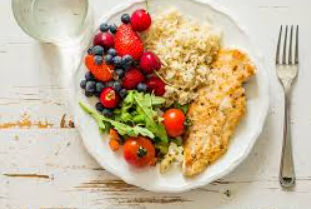
One of the easiest ways to create healthy meals is to divide your plate visually.
Think of your plate in four sections:
- ½ vegetables and fruits
- ¼ lean protein
- ¼ complex carbohydrates
- A thumb-sized serving of healthy fats
This visual plate method naturally creates balanced nutrition while supporting satiety, blood sugar balance, energy levels, and weight management.
Rather than measuring every gram, you focus on food groups and proportions.
Over time, this becomes second nature.
The ½–¼–¼ Rule Explained
The balanced plate method is based on a simple framework:
Half Your Plate: Vegetables and Fruits
Vegetables and fruits provide:
- Fiber
- Vitamins
- Minerals
- Antioxidants
- Water content
Because they are generally low in calorie density and high in volume, they help increase fullness without excessive energy intake.
Excellent choices include:
- Spinach
- Kale
- Arugula
- Broccoli
- Cauliflower
- Brussels sprouts
- Bell peppers
- Tomatoes
- Mushrooms
- Carrots
- Berries
In my experience, increasing vegetables is one of the fastest ways to improve meal quality without feeling deprived.
One Quarter of Your Plate: Lean Protein
Protein plays a major role in:
- Muscle maintenance
- Appetite regulation
- Satiety
- Metabolism
- Recovery
Good protein sources include:
- Chicken breast
- Turkey breast
- Eggs
- Egg whites
- Greek yogurt
- Cottage cheese
- Salmon
- Tuna
- Shrimp
- Tofu
- Tempeh
- Edamame
- Lentils
- Beans
Protein helps you stay full longer and can reduce the urge to snack between meals.
For those pursuing healthy weight loss, maintaining adequate protein intake is especially important because it helps preserve lean muscle mass while reducing hunger.
See More :Two Keen Cyclists Take on 170-Mile Trek for The Sick Children’s Trust
One Quarter of Your Plate: Complex Carbohydrates
Carbohydrates often get a bad reputation, but they remain an essential source of energy.
The key is choosing complex carbohydrates instead of heavily processed options.
Examples include:
- Sweet potatoes
- Brown rice
- Quinoa
- Farro
- Oats
- Whole wheat pasta
- Whole grain bread
- Whole grain tortillas
- Chickpeas
- Black beans
- Lentils
These foods provide fiber and support more stable blood sugar levels compared to refined carbohydrates.
When paired with protein and healthy fats, they create meals that sustain energy for hours.
Add a Thumb-Sized Portion of Healthy Fat
Healthy fats improve:
- Flavor
- Nutrient absorption
- Hormone production
- Satiety
Smart choices include:
- Olive oil
- Avocado oil
- Avocado
- Guacamole
- Chia seeds
- Flaxseeds
- Almonds
- Tahini
- Sardines
- Fatty fish
A small serving is usually enough.
One simple rule I like is to think “thumb-sized” when adding fats to a meal.
Using Your Hands as Portion Guides
What if you’re eating from a bowl or ordering at a restaurant?
Your hands can serve as a convenient measuring tool.
Use these visual cues:
- Protein = 1 palm
- Vegetables = 1 fist
- Carbohydrates = 1 cupped hand
- Healthy fats = 1 thumb
This method works surprisingly well because your hands are proportionate to your body size.
I’ve found it much easier to remember than carrying measuring cups everywhere.
Why This Visual Method Works
The balanced meal method succeeds because it addresses several key nutrition principles simultaneously.
It Improves Satiety
Meals rich in protein and fiber help control appetite and reduce cravings.
It Supports Blood Sugar Balance
Combining carbohydrates with protein and healthy fats slows digestion and helps prevent dramatic blood sugar spikes.
It Encourages Nutrient Density
Instead of focusing solely on calories, you prioritize foods rich in vitamins, minerals, and beneficial nutrients.
It Simplifies Healthy Eating
Removing constant tracking reduces decision fatigue and makes healthy eating feel sustainable.
It Supports Weight Management
Many people naturally reduce calorie intake when meals contain adequate protein, fiber, and vegetables because they feel fuller for longer.
Real-Life Balanced Meal Examples
Let’s look at how this works in practice.
Balanced Lunch Bowl
- Half plate: Mixed greens, cucumber, carrots, tomatoes
- Quarter plate: Grilled chicken or tempeh
- Quarter plate: Farro or chickpeas
- Healthy fat: Olive oil dressing
Balanced Dinner Plate
- Half plate: Roasted broccoli and Brussels sprouts
- Quarter plate: Baked salmon
- Quarter plate: Quinoa
- Healthy fat: Avocado slices
Quick Wrap Option
- Half plate: Lettuce, peppers, onions
- Quarter plate: Shredded chicken or black beans
- Quarter plate: Whole grain tortilla
- Healthy fat: Guacamole
Easy Breakfast
- Greek yogurt
- Mixed berries
- Flaxseeds
- Oats
This combination delivers protein, fiber, healthy fats, and complex carbohydrates in a single meal.
Consistency Tips for Everyday Success
Healthy eating becomes easier when healthy foods are convenient.
Keep These Foods Available
- Pre-washed greens
- Frozen vegetables
- Rotisserie chicken
- Canned tuna
- Brown rice
- Quinoa
- Greek yogurt
- Tofu
- Avocados
- Olive oil
Prepare Ingredients Ahead of Time
Try:
- Batch-cooking grains
- Washing vegetables in advance
- Cooking protein for multiple meals
- Portioning healthy snacks
A little preparation can save significant time during busy weekdays.
Mindful Eating Habits That Make a Difference
Balanced meals work even better when combined with mindful eating habits.
Before eating, ask yourself:
- Am I physically hungry?
- Am I eating out of habit?
- How satisfied do I feel?
Other helpful habits include:
- Eating slowly
- Sitting at a table
- Limiting distractions
- Stopping when comfortably satisfied
You don’t need perfection.
Even if you follow the balanced plate method for 80% of your meals, you’re still making meaningful progress.
Common Balanced Plate Mistakes to Avoid
Many people unintentionally create imbalance.
Watch out for these common mistakes:
- Too little protein
- Overloading healthy fats
- Skipping vegetables
- Choosing mostly refined carbohydrates
- Drinking sugary beverages with meals
The goal is balance, not restriction.
Does the Balanced Plate Method Work When Eating Out?
Absolutely.
When ordering at restaurants:
- Prioritize meals with vegetables and protein.
- Ask for vegetables instead of fries when possible.
- Request sauces on the side.
- Use the hand-portion method as a guide.
Even fast-food or casual dining restaurants usually offer options that fit the balanced meal framework.
Frequently Asked Questions
Can the balanced meal method help with weight loss?
Yes. Meals rich in fiber and protein often increase fullness, helping many people naturally reduce calorie intake without tracking every bite.
Can I use this approach for snacks?
Absolutely.
Examples include:
- Greek yogurt with berries
- Apple slices with almond butter
- Vegetable sticks with hummus
- Whole grain crackers with cottage cheese
Is this method suitable for vegetarians and vegans?
Yes.
Plant-based protein sources such as tofu, tempeh, beans, lentils, and edamame fit perfectly into the balanced plate approach.
Do I need to count calories at all?
Not necessarily.
Many people achieve their health and weight management goals simply by consistently building balanced meals and paying attention to hunger and fullness signals.
Final Thoughts
After researching different nutrition strategies and observing what tends to work long term, I’ve found that the simplest approaches are often the most effective.
The balanced meal method removes much of the stress associated with healthy eating. Instead of obsessing over numbers, you focus on creating meals built around vegetables, lean protein, complex carbohydrates, and healthy fats.
It’s flexible, practical, and sustainable.
Most importantly, it teaches you how to build nourishing meals anywhere—from your kitchen to a restaurant table—without relying on calorie-tracking apps.
Healthy eating doesn’t have to be complicated. Start with your next meal, divide your plate using the ½–¼–¼ method, and let consistency do the rest.