There are some charity stories that stay with you long after you read them. This is one of them.
When I first came across the story of two determined cyclists riding more than 170 miles in support of The Sick Children’s Trust, what stood out to me wasn’t just the physical challenge. It was the emotional reason behind it.
The ride was completed in memory of Acey Gardner, a baby boy who sadly passed away at just 11 days old after battling a serious medical condition known as Congenital diaphragmatic hernia.
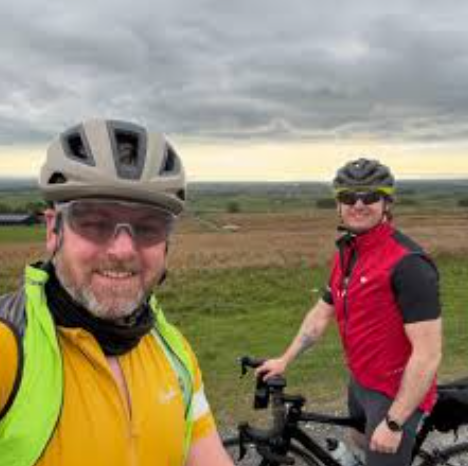
Friends Gary Westerby and Rob turned grief into action by taking on an endurance cycling challenge to raise awareness and funds for families facing similar situations.
In my experience researching charity fundraising events, the campaigns that resonate most are the ones built around real people, genuine emotion, and community support. This story has all three.
Overview
This headline highlights a remarkable 170-mile charity cycle ride undertaken to support The Sick Children’s Trust, a UK-based organization providing vital “Home from Home” accommodation for families with seriously ill children staying in hospital.
The Purpose Behind the Trek
Keeping Families Together
The charity cyclists funds free accommodation close to intensive care and pediatric wards, helping parents stay near their sick children during medical treatment.
Vital Financial Relief
It costs approximately £30 per night for the trust to support one family, making public fundraising campaigns essential to maintaining these services.
Emotional Support
Beyond accommodation, families receive access to:
- communal kitchens,
- laundry facilities,
- emotional support,
- and a safe place to rest during medical crises.
Popular 170-Mile Charity Cycling Routes
Several major fundraising rides connected to the charity often use iconic UK cycling routes such as:
- The Coast and Castles Route
- The Way of the Roses route across northern England
These long-distance routes combine endurance cycling with community-driven fundraising efforts.
The Emotional Story Behind the Charity Ride
The cyclists challenge became far more than a sporting event. It became a tribute.
Acey Gardner was diagnosed with congenital diaphragmatic hernia, commonly known as CDH, during a routine 20-week pregnancy scan.
For families, moments like this can completely change life overnight.
CDH occurs when the diaphragm does not develop properly during pregnancy, allowing organs to move into the chest cavity. This restricts lung development and can create life-threatening complications after birth.
Doctors reportedly gave Acey only a 50% chance of survival.
He was born five weeks early, weighing just over four pounds, before being transferred to Sheffield Children’s Hospital for urgent specialist care.
At only five days old, Acey underwent major surgery designed to reposition his organs and repair the diaphragm.
Sadly, despite the efforts of medical teams, his lungs were too weak, and he passed away six days later.
As heartbreaking as the story is, it also highlights something incredibly important: families dealing with neonatal emergencies need far more than medical care alone.
They also need practical and emotional support.
How The Sick Children’s Trust Helps Families in Crisis
One of the most powerful parts of this story involves Magnolia House, the accommodation facility operated by The Sick Children’s Trust.
During Acey’s treatment, his parents Becky and Simon, along with their young son Ollie, stayed there while doctors cared for their baby nearby.
In my experience researching family healthcare charities, accommodation support is often underestimated. Most people focus only on hospital treatment, but families frequently face:
- long-distance travel,
- hotel expenses,
- emotional exhaustion,
- and separation from loved ones.
The “Home from Home” model directly addresses these problems.
Instead of sleeping in waiting rooms or paying for expensive hotels, families receive:
- free accommodation,
- access to kitchens,
- laundry facilities,
- communal spaces,
- and emotional support from staff and other parents.
For many families, simply staying close to a child in intensive care can make an overwhelming situation slightly more manageable.
Why Charity Cycling Challenges Continue to Inspire Communities
Long-distance cyclists events have become one of the most popular forms of charity fundraising in the UK, and after looking into this event, it’s easy to understand why.
A 170-mile ride is not easy.
It requires:
- physical endurance,
- route planning,
- nutrition management,
- training,
- and mental resilience.
Routes such as the Coast and Castles challenge or the Way of the Roses are especially demanding because they combine steep climbs, unpredictable weather, and multiple days of cyclists.
But challenges like these create something powerful:
they give people a visible, meaningful way to support causes that matter.
In many cases, the physical hardship becomes symbolic of the emotional struggle families endure during serious childhood illness.
What Is Congenital Diaphragmatic Hernia (CDH)?
One thing I appreciated about this story is that it also raises awareness about CDH, a condition many people have never heard of before.
Understanding CDH in Simple Terms
Congenital diaphragmatic hernia happens when:
- the diaphragm fails to form correctly during pregnancy,
- abdominal organs move upward into the chest,
- and lung growth becomes restricted.
This can lead to severe breathing difficulties immediately after birth.
Common Challenges Associated With CDH
- underdeveloped lungs,
- breathing complications,
- pulmonary hypertension,
- feeding difficulties,
- long neonatal intensive care stays,
- and complex surgeries.
Treatment often requires highly specialized pediatric teams like those at Sheffield Children’s Hospital.
In many cases, survival depends on the severity of lung development before birth.
The Hidden Financial Pressure Families Face
One aspect that deserves more attention is the financial burden families experience when children require specialist treatment far from home.
Even when healthcare itself is free through the NHS, costs quickly add up:
- fuel and transport,
- parking fees,
- meals,
- missed work,
- childcare for siblings,
- and emergency accommodation.
That’s why charities like The Sick Children’s Trust play such a crucial role.
The trust reportedly spends around £30 per night supporting each family. While that may not sound enormous individually, costs scale rapidly across multiple houses and hospitals throughout the year.
Public fundraising efforts help keep those services available.
Lessons This Story Teaches About Community Support
In my experience, the strongest charity campaigns succeed because they connect personal stories with broader social impact.
This cyclists challenge demonstrates several important lessons.
1. Friendship Can Drive Positive Action
Gary and Rob transformed personal grief into community support.
2. Awareness Matters
Many people may now learn about CDH for the first time because of this fundraiser.
3. Small Donations Create Real Impact
Even modest fundraising helps provide accommodation for families in crisis.
4. Emotional Support Is Essential
Healthcare is not only about treatment. Families also need compassion, rest, and stability.
Practical Tips for Anyone Planning a Charity Cycling Event
After researching multiple fundraising rides, I noticed several strategies that successful charity cyclists consistently use.
Set a Clear Personal Mission
People donate more when they understand the emotional purpose behind the challenge.
Share the Journey Publicly
Updates, photos, and milestone posts help supporters stay emotionally connected.
Choose an Achievable Route
Iconic long-distance routes can attract more attention and sponsorship.
Partner With a Trusted Charity
Working with recognized organizations builds trust and improves fundraising credibility.
Prepare Properly
Long rides require:
- hydration planning,
- bike maintenance,
- pacing,
- and recovery management.
Why Stories Like This Continue to Matter
In a world filled with fast-moving headlines, deeply human stories still have the power to bring people together.
The 170-mile trek completed by Gary Westerby and Rob is about much more than cycling.
It is about:
- remembrance,
- compassion,
- resilience,
- friendship,
- and supporting families during the most painful moments of their lives.
Their effort also shines a light on the incredible work carried out every day by The Sick Children’s Trust and facilities like Magnolia House.
Final Thoughts
After researching this story in depth, one thing became very clear to me: practical support can make a huge emotional difference during a medical crisis.
The combination of community fundraising, hospital care, and family accommodation creates a support system many parents simply could not manage without.
The story of Acey Gardner is heartbreaking, but the response from friends, charities, and supporters also reminds us how powerful compassion can be.
Whether through cycling challenges, donations, volunteering, or awareness campaigns, every contribution helps families stay close to the children who need them most.
And sometimes, that closeness matters more than words can explain.