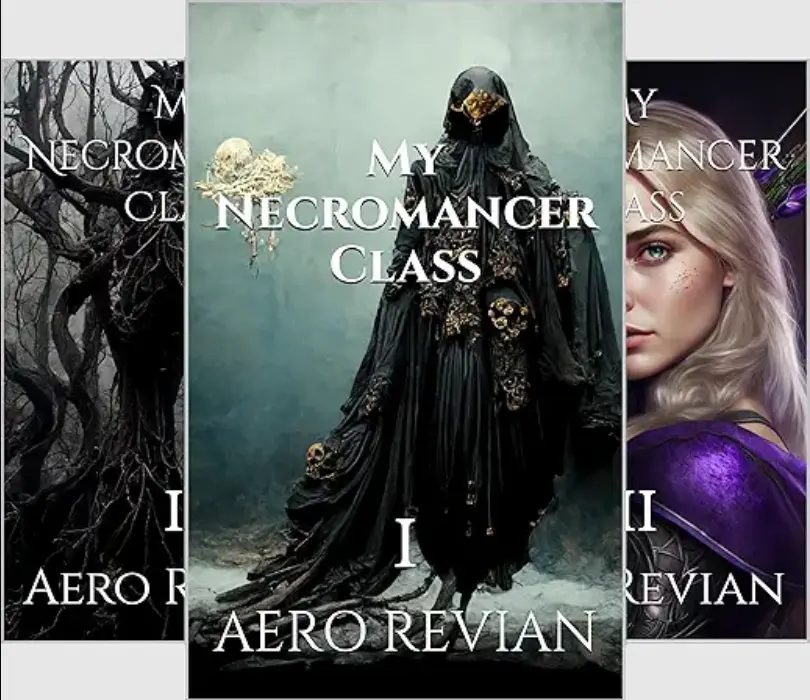
Dark fantasy has always fascinated me, but necromancer stories hold a special place in the genre. There’s something deeply compelling about characters who walk the line between life and death while carrying the burden of powers society fears. In my experience, writing a necromancer-focused story is not just about skeleton armies and forbidden magic, it’s about emotion, isolation, morality, and transformation.
When I started exploring ideas behind Mastering the Undead: An Inside Look at Writing my necromancer class novel, I realized that the best necromancer stories are never only about darkness. They are about survival, identity, and the cost of power. Modern readers want layered protagonists, believable worlds, and emotional stakes that go far beyond raising the dead.
Overview
Writing a necromancer-focused novel requires balancing the inherent creepiness of dark arts with engaging character development, often by defying traditional “evil” tropes. An inside look at this genre, particularly in LitRPG settings like My Necromancer Class, reveals that focusing on the personal growth of the necromancer and the unique “life” of their minions can create a compelling, high-stakes story.
Here is an inside look at key elements for mastering the undead in your novel:
1. Reimagining the Necromancer
- Move Beyond “Evil”: While traditionally villains, modern necromancers can be anti-heroes, researchers, or even protectors.
- The “Life” in Death: Instead of generic, mindless zombies, focus on the specific, crafted nature of the undead, such as skeletons that develop unique roles.
- Isolated Protagonist: A misunderstood character hiding dangerous powers instantly creates tension and emotional depth.
2. Unique Necromancy Mechanics
- Experimental Approach: Necromancy becomes more interesting when it feels like experimentation rather than simple spell casting.
- The Cost of Magic: Powerful dark magic should demand sacrifices or limitations.
- “Green” Necromancy: Using fungus, roots, or nature-inspired decay creates a refreshing spin on undead aesthetics.
3. Worldbuilding and Stakes
- The Hunted Protagonist: Oppressive orders, mage hunters, or religious groups raise tension naturally.
- Societal Stigma: Isolation forces the protagonist to bond with the undead they create.
- Alternative Uses: Necromancy can solve practical problems like clearing plague zones or handling dangerous environments.
4. Structuring a Necromancer Novel
- Progressive Power: Readers enjoy watching abilities evolve step by step.
- Minion Personalities: Giving undead companions subtle emotions creates stronger emotional investment.
- Moral Dilemmas: The strongest stories force characters to choose between morality and survival.
Why Necromancer Stories Continue to Grow in Popularity
Over the last few years, dark fantasy and LitRPG novels have exploded in popularity. Readers are no longer satisfied with one-dimensional heroes. They want flawed protagonists who struggle with difficult choices.
That’s exactly why necromancer characters work so well.
A necromancer naturally exists outside society. They are feared, judged, and hunted. This instantly creates tension without the writer forcing unnecessary conflict. In many ways, the protagonist becomes both the hero and the monster.
In my experience, readers connect deeply with this emotional contradiction.
Instead of writing a purely evil villain, I prefer creating a protagonist who uses forbidden powers for understandable reasons:
- Protecting loved ones
- Surviving persecution
- Seeking forbidden knowledge
- Fighting corruption with darker methods
These motivations make the story emotionally believable.
Building a Necromancer Readers Actually Care About
One of the biggest mistakes new writers make is focusing too much on powers and not enough on personality.
A powerful necromancer means nothing if readers do not emotionally connect with them.
When developing a necromancer protagonist, I usually focus on three important traits:
1. Vulnerability
Even powerful characters need fear and emotional weakness.
Maybe the protagonist fears losing control of their magic. Maybe they struggle with loneliness or guilt after raising the dead for the first time.
These emotional layers humanize them.
2. Curiosity
The best necromancers often feel more like forbidden researchers than traditional villains.
Instead of randomly casting spells, they study bones, ancient rituals, mana flow, and decay itself. This investigative approach makes the magic system feel more immersive.
3. Isolation
Isolation is one of the strongest storytelling tools in necromancer fiction.
When society fears the protagonist, every friendship becomes risky. Every relationship carries tension. Over time, their undead companions may become the only “family” they trust.
That emotional shift creates powerful storytelling opportunities.
Designing Unique Undead Minions
Mindless zombies become boring very quickly.
One lesson I learned while studying successful fantasy novels is that readers remember unique undead characters far more than generic skeleton armies.
Instead of quantity, focus on individuality.
For example:
- A skeleton knight who silently guards the protagonist
- A stitched undead scout with heightened senses
- A skeletal mage carrying fragments of old memories
- A fungus-covered corpse acting as a healer
Small details make undead companions memorable.
Over time, these minions can slowly develop personalities, habits, or emotional attachment to the protagonist. That subtle evolution creates surprisingly emotional moments in dark fantasy stories.
Creating a Necromancy System That Feels Real
Magic systems are the backbone of fantasy writing.
Readers quickly lose interest if necromancy feels overpowered or inconsistent.
In my experience, limitations are what make dark magic exciting.
Effective Necromancy Rules Include:
- Specific materials needed for rituals
- Mana exhaustion after raising undead
- Emotional or psychological corruption
- Dangerous side effects from failed experiments
- Rare components gathered from graveyards or battlefields
These limitations force characters to think strategically rather than solving every problem instantly.
A balanced magic system also increases suspense because readers know every spell carries risk.
The Importance of Worldbuilding in Dark Fantasy
A necromancer story becomes far stronger when the world reacts realistically to forbidden magic.
Ask yourself:
- How do religious groups view necromancers?
- Are undead universally illegal?
- Is necromancy secretly used by governments?
- Are there black markets for forbidden artifacts?
These questions help create believable conflict.
One storytelling technique I personally enjoy is introducing organizations dedicated to hunting necromancers. This instantly raises stakes and creates constant pressure on the protagonist.
A hunted protagonist naturally drives the story forward.
Using Moral Dilemmas to Deepen the Story
Necromancer fiction works best when morality feels complicated.
Readers should constantly question whether the protagonist’s actions are justified.
For example:
- Is raising fallen soldiers acceptable during war?
- Should someone resurrect a loved one?
- Is it wrong to use corpses to stop a greater evil?
- Does intention matter more than the act itself?
These dilemmas create emotional weight far beyond simple combat scenes.
In my experience, readers remember difficult choices more than flashy battles.
Progressive Power Systems Make Stories Addictive
One reason LitRPG necromancer novels perform so well is the sense of progression.
Readers love seeing characters evolve step by step.
Instead of instantly controlling massive undead armies, begin small:
- Raising weak skeletal creatures
- Learning bone crafting
- Unlocking necrotic enhancements
- Creating elite undead servants
- Mastering large-scale resurrection rituals
This gradual growth keeps readers invested.
Each new ability feels earned rather than random.
Balancing Horror and Humanity
Dark fantasy should feel eerie, but nonstop horror can emotionally exhaust readers.
The strongest necromancer novels balance darkness with humanity.
Moments of humor, friendship, loyalty, or vulnerability help readers emotionally recover between darker scenes.
For example:
- An undead minion awkwardly trying to help
- Quiet conversations around campfires
- The protagonist protecting innocent villagers despite public fear
These softer moments create contrast, making darker scenes even more powerful.
For more insight into different storytelling styles beyond dark fantasy in Mastering the Undead: An Inside Look at Writing my necromancer class novel, check out Friday Night Notes: 5-Stars Visiting Michigan as it highlights a more personal and reflective writing approach.
Common Mistakes When Writing Necromancer Fiction
Here are a few mistakes I frequently notice in beginner dark fantasy writing:
Making the protagonist too powerful too early
Readers lose interest when there is no struggle.
Overusing edgy dialogue
Dark fantasy works better with emotional realism than forced “evil” behavior.
Forgetting emotional consequences
Necromancy should affect the protagonist psychologically, not just physically.
Generic undead armies
Unique undead companions create stronger emotional engagement.
Avoiding these mistakes can dramatically improve story quality.
Final Thoughts
Writing a compelling necromancer novel is about far more than raising skeletons or controlling dark magic. The real strength of the genre comes from emotional complexity, moral conflict, isolation, and personal growth.
In my experience, the best necromancer stories are the ones that make readers empathize with characters society considers monsters.
If you want to truly master the undead in your writing, focus on building believable characters, meaningful stakes, and a magic system with real consequences. Give your undead creations personality. Let your protagonist struggle emotionally. Most importantly, allow the story to explore what it truly means to wield forbidden power.
That balance between darkness and humanity is what transforms a simple fantasy concept into a memorable novel readers will never forget.